In 2026, the Vietnamese automotive market is more competitive than ever with the mass entry of new players, while the customer journey has undergone a radical transformation. This article analyzes three pivotal Brand Experience (BX) trends that automotive brands must master to win the 2026 racenot through larger budgets, but by delivering experiences that hit the right person, with the right emotion, at the right moment.
I. 2026 Automotive Market Outlook: When Horsepower Is No Longer the Sole Game-Changer
By 2026, the global automotive industry is undergoing a comprehensive restructuring. After the market surpassed the $2.75 trillion threshold in 2025, Electric Vehicle (EV) sales surged by 35% in just one year, with a CAGR of 6.85%doubling the industry average. This is no longer just a race of technology; it is a race of evolving customer expectations.
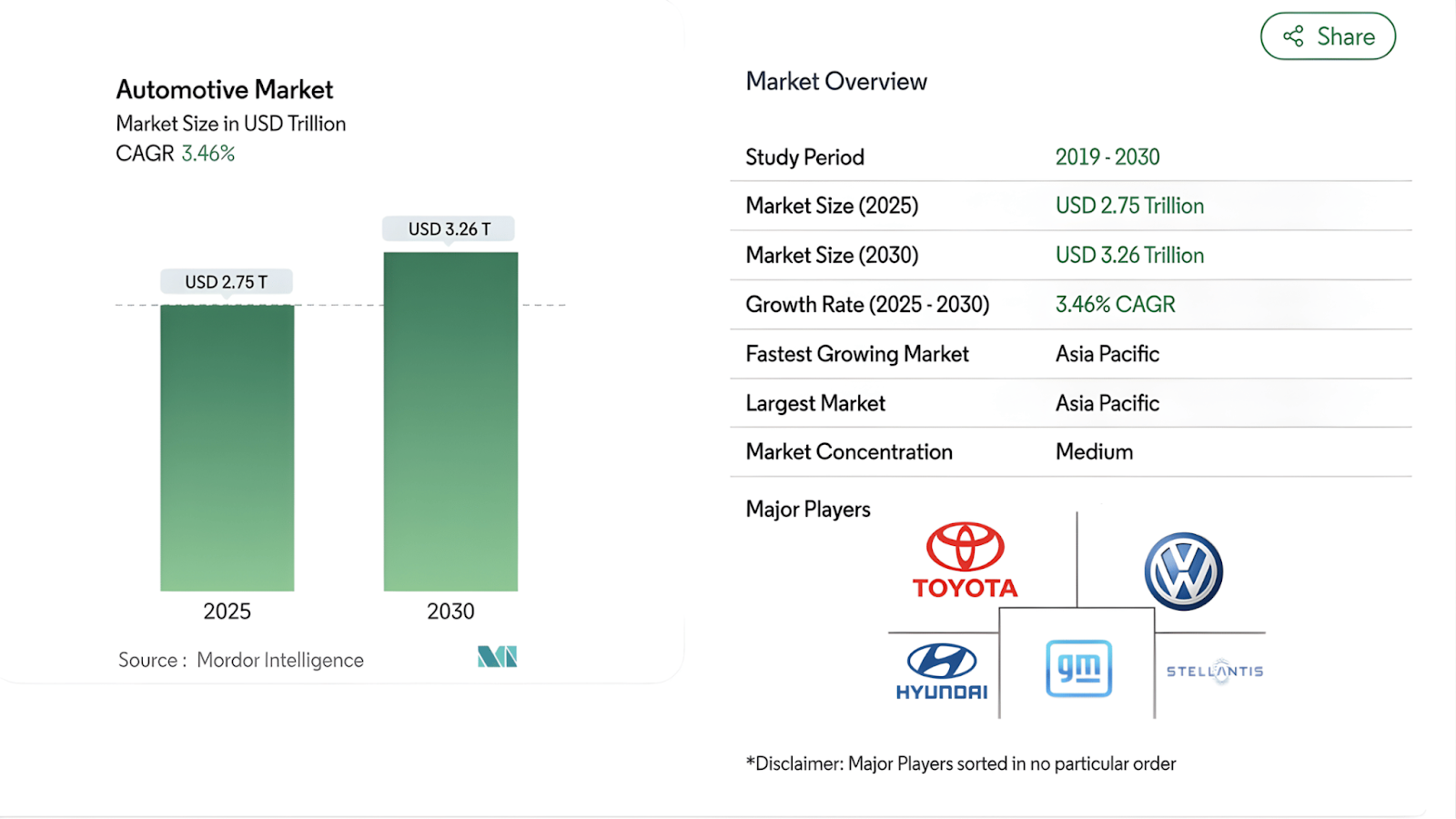
Global Automotive Market Outlook 2025
Source: Mordor Intelligence
In Vietnam, the competition is even more cutthroat. New entrants like BYD, JAECOO, and Chery are aggressively penetrating the market, VinFast is accelerating its expansion, while Toyota and Hyundai maintain their dominance through accumulated brand equity. Customers today do not lack options; they lack a compelling reason to choose one specific brand over another.
In this landscape, the car-buying journey has been completely redefined. Customers no longer visit showrooms to learn about a vehicle; they arrive only when they are at the brink of a final decision. 92% of buyers conduct extensive online research before setting foot in a dealership, and 78% confirm that their digital journey directly impacts their brand perception (InsightAsia, n=762). A brand’s victory or defeat is often decided on a smartphone screen long before the test drive.
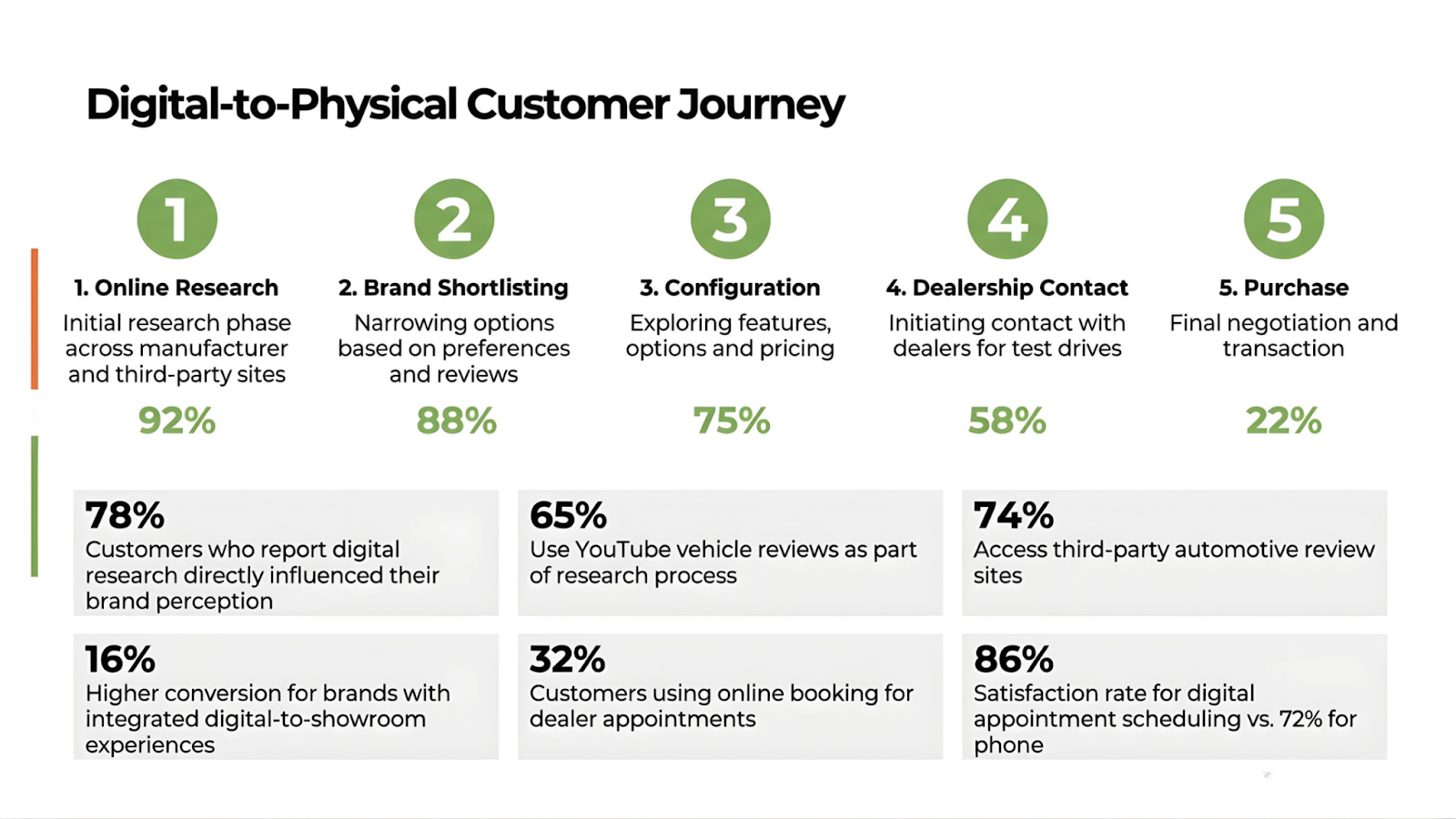
Impact of the Digital Journey on Automotive Customer Experience
Source: Novaon Digital
The paradox lies here: while product quality remains the leading purchase driver at 92%, it has become a baseline “standard” that every brand claims equally. When product specifications reach parity, the true differentiator is no longer the technical specs, but how a customer perceives the brand at every micro-moment of their journey.
The winning brands are not those with the deepest pockets, but those who understand that customers aren’t just buying a carthey are buying a better version of themselves. This is why Brand Experience has emerged as the definitive competitive advantage in 2026.
II. Three Pillars of Building Brand Experience in the New Automotive Era
If the market outlook explains “Where is the market going?”, this section addresses the more practical question every CMO is asking: “What must my brand do differently?”
The following three pillars are not just a checklist of features to implement; they are the three principles shaping how an automotive brand builds a genuine connection with customers in 2026 through an integrated digital communication strategy.
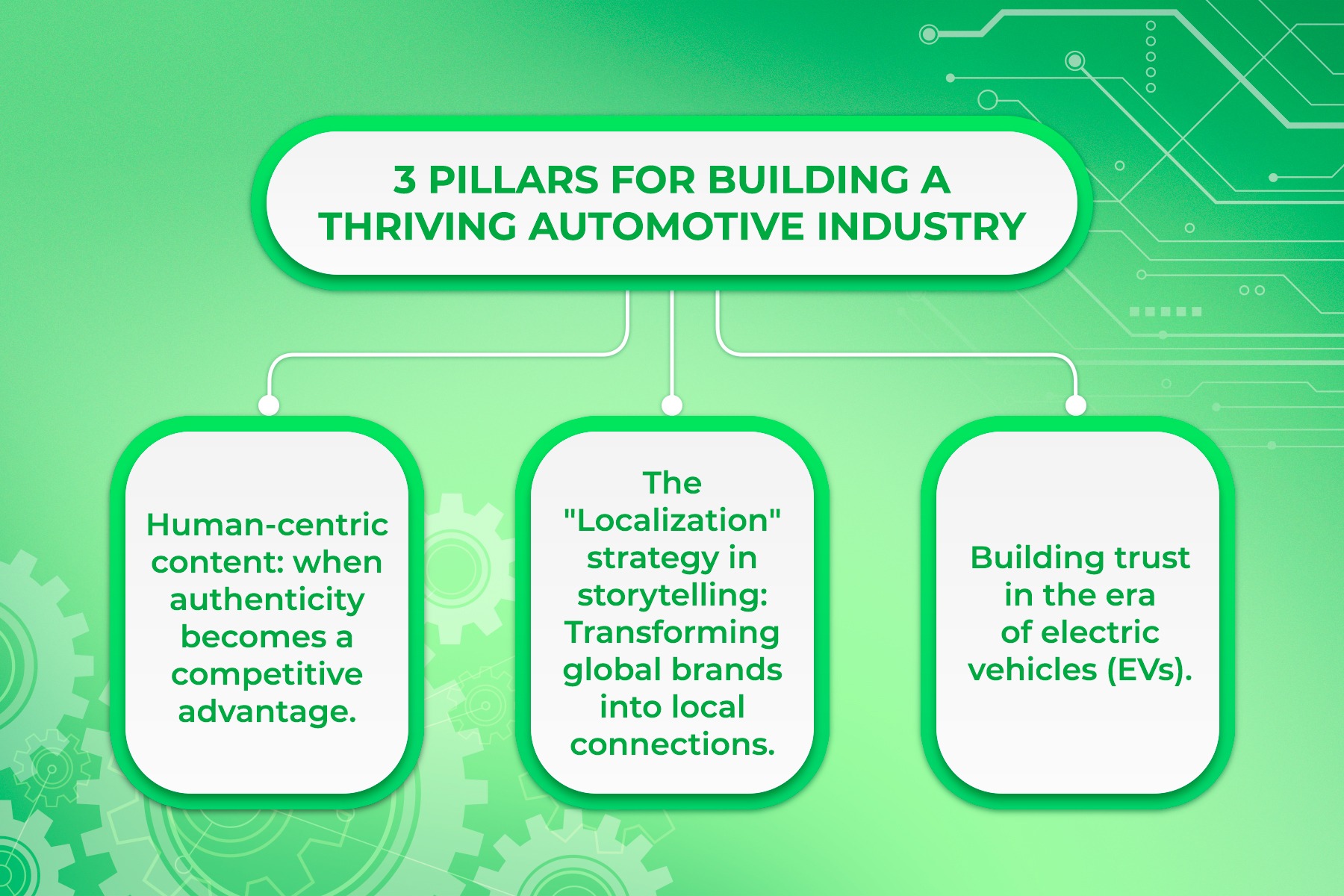
3 Pillars of Building Automotive Brand Experience in the Digital Environment
Source: Novaon Digital
Pillar 1: Human-Centric Content – When Real Emotion Becomes the Ultimate Competitive Edge
For years, the automotive industry has poured massive budgets into “perfect” cinematography: cars gliding through desolate mountain passes accompanied by epic soundtracks. Beautiful? Yes. Expensive? Absolutely. But to the modern viewer, they are becoming increasingly invisible. The reason is simple: customers don’t buy cars from corporations; they buy from people they trust. And that trust isn’t built through post-production effectsit’s built through authenticity.
On social media, a video has less than two seconds to hook a viewer before they swipe away. The only thing that works in that window is a “human moment”a real face, a relatable situation, or a story where the viewer sees themselves. This is why showroom staff and technical teams, rather than models or actors, have become a brand’s most valuable assets.
Mohawk Chevrolet in New York is a prime example. This dealership turned its TikTok into a The Office-style mockumentary series. It garnered millions of views, spiked showroom foot traffic, and even caught the attention of GM’s CEOall without a million-dollar production budget. They simply used real people and real creativity.
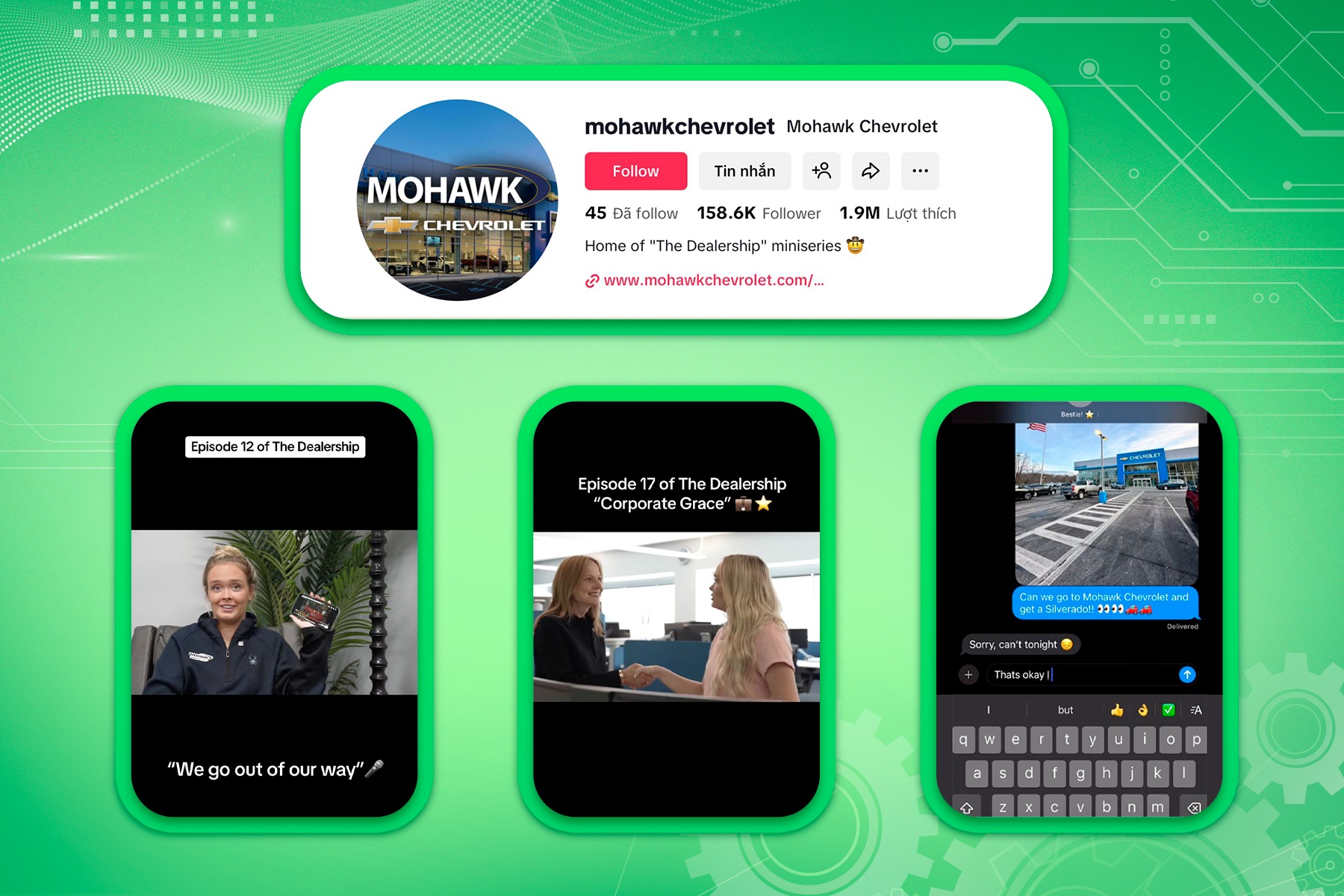
Mohawk Chevrolet enhances Brand Experience with authentic, humorous content.
Source: Novaon Digital
The fundamental shift here isn’t about the format; it’s about the perspective. Instead of asking, “How can we make the car look its best?”, leading brands are asking: “How does this car help the customer become a better version of themselves?” This is the transition from Product-Centric Content to Human-Centric Content, and it requires a Brand Experience mindset across every touchpoint.
Pillar 2: “Localized” Storytelling – Transforming Global Brands into Local Connections
The 2026 Vietnamese auto market presents a paradox: customers have more choices than ever, yet brands are harder to differentiate than ever. When BYD, JAECOO, Toyota, and Hyundai all boast sleek showrooms and polished campaigns, the true differentiator is no longer the car’s featuresit’s the brand’s ability to make customers see their own lives reflected in its story.
Buyers don’t just ask, “Is this car beautiful?” They ask, “Does this car fit my life?” This is why the “In the Wild” strategyplacing vehicles in local, real-world contexts like a Hanoi street corner, a Saigon sidewalk café, or the Hai Van Passcreates an emotional resonance that no studio can replicate.
The Renault 5 relaunch illustrates this perfectly. By reviving a legendary model as an EV, Renault didn’t erase the past; they turned it into a bridge. Customers aren’t just buying a new electric car; they are buying into a soulful, evolving narrative. In Vietnam, every brand has its own “heritage” to tap intobe it a long history of reliability, bold innovation, or simply a salesperson who has served generations of the same family.
The Key Takeaway: Effective storytelling is not a one-off campaign; it is an organizational capability. In an era where cultural trends emerge and vanish in a week, silence between launches equals brand erosion. Leading brands don’t run disjointed campaigns; they build a continuous storytelling ecosystem consistent with their brand identity to deliver a seamless Brand Experience.
Pillar 3: Building a “Trust Shield” in the EV Era
The biggest barrier to EV adoption isn’t technologyit’s psychology. Customers don’t doubt that EVs run well; they doubt if an EV fits their specific lifestyle. What is the actual range? Where do I charge on a road trip? What are the long-term costs? These are questions that brochures and spec sheets can never answer convincingly. Only real-world evidence from real people can.
This is why Social Proof has become the most critical brand weapon in the EV era. We’re not talking about staged testimonials, but organic, raw content found exactly where customers search for information: TikTok late at night, Facebook community groups, or long-form YouTube reviews. When a real user shares their EV journeyincluding both the perks and the minor inconveniencesthat content carries more weight than any ad campaign.
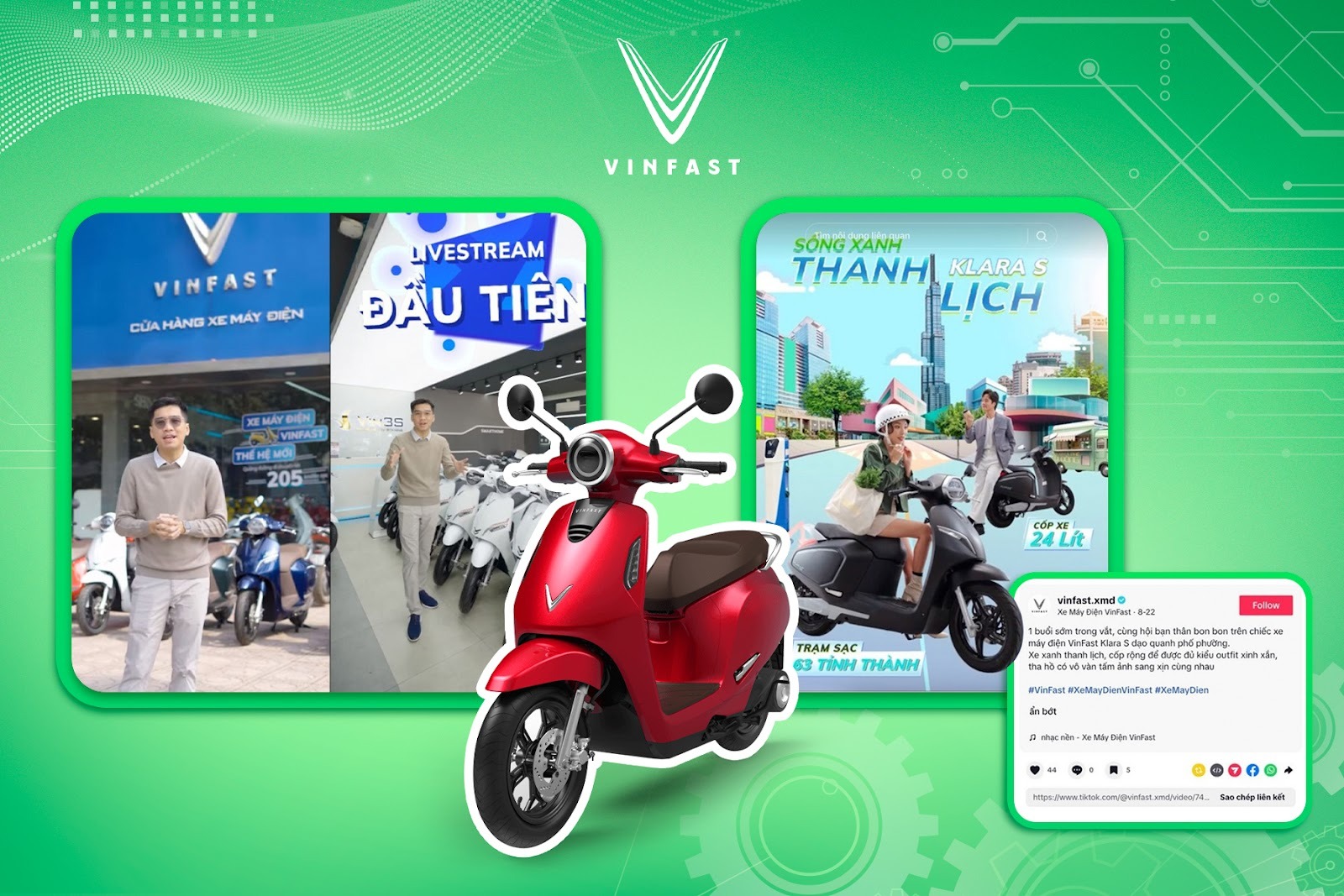
VinFast EVs enhance customer experience through authentic review content.
Source: Novaon Digital
Smart brands don’t wait for users to create this content; they proactively cultivate environments where these stories happen. This ranges from encouraging showroom teams to share daily “behind-the-scenes” EV tips to building communities where users can support one another through the transition. By doing this, the brand stops being a “seller” and becomes a trusted companion in a major life decision.
Looking at how VinFast rolled out its electric scooters in Vietnam, this principle is clear: instead of relying solely on TVCs, the brand maintains a constant presence on TikTok and Facebook with relatable content that places the vehicle in everyday settings. The message isn’t just “This bike is good,” but rather “This bike is a part of your lifestyle.” And that is exactly what a customer needs to hear before making the switch.
Đây là phần hoàn thiện cuối cùng của bài viết, được trau chuốt với các thuật ngữ chuyên sâu về Marketing và Quản trị thương hiệu để tạo nên một cái kết ấn tượng và chuyên nghiệp.
III. Leveraging “Temporal Touchpoints”: The 2026 Brand Experience Calendar
No matter how robust a brand strategy is, it requires the right timing to achieve maximum impact. Below are key milestones throughout the year when consumer attention naturally converges on the automotive sectorpresenting prime opportunities to amplify the experience rather than simply pushing advertisements.
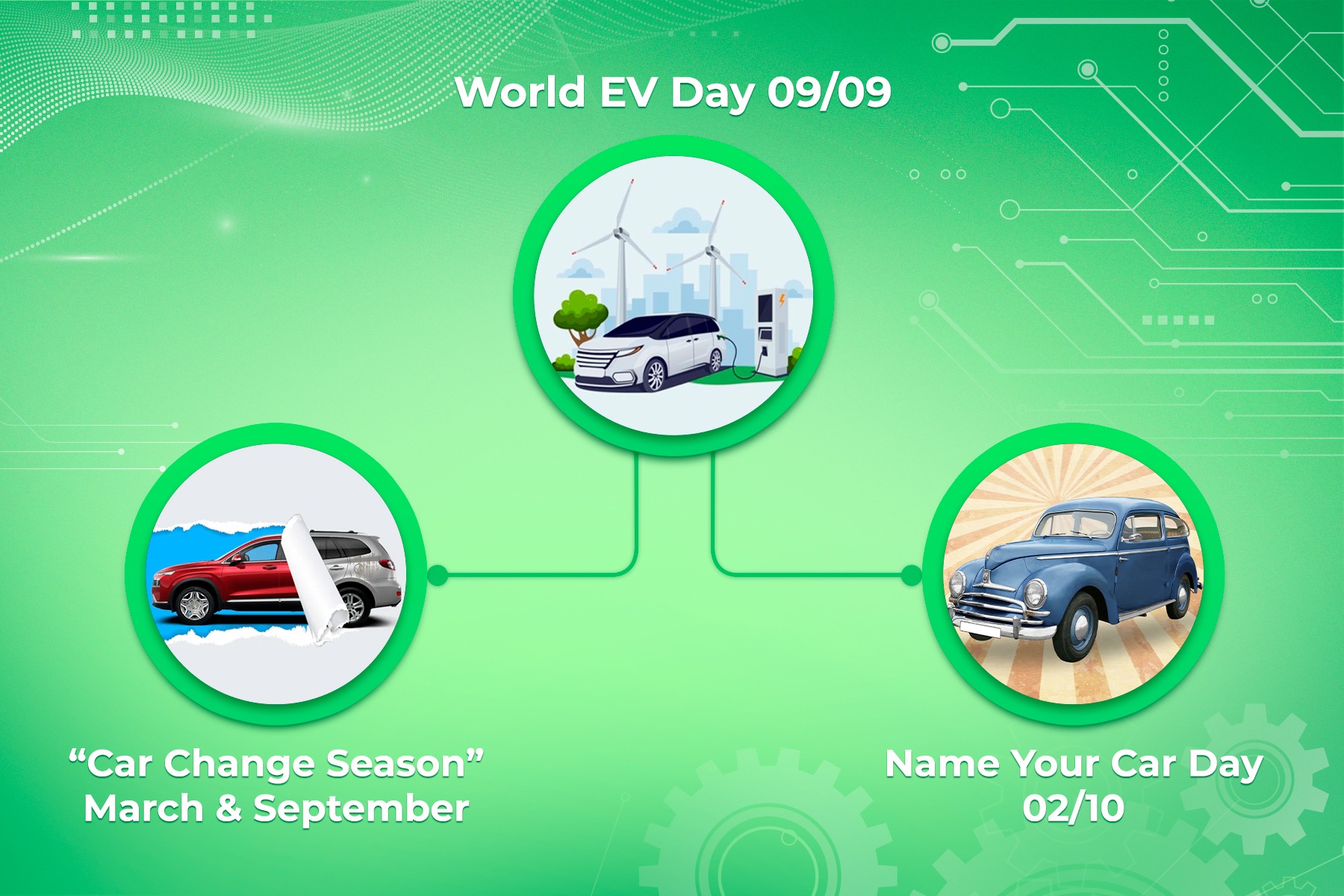
Recommended Timeline for Automotive Digital Media Campaigns
Source: Novaon Digital
- March & September – “Car Upgrade Season”: During these windows, the “desire for renewal” is at its peak, coinciding with new model launch cycles. This is the ideal time to tell stories of new beginnings rather than just running price-driven promotions.
- September 9th – World EV Day: A day when the global conversation centers entirely on electric mobility. It is the perfect moment to activate and aggregate the “EV Diary” strategy cultivated throughout the year.
- October 2nd – Name Your Car Day: An underutilized opportunity that offers a unique competitive edge. A simple car-naming mini-game can spark a wave of organic User-Generated Content (UGC), reminding the market that the brand deeply understands the emotional bond between man and machine.
Expert Insight
From the current market landscape and behavioral insights, it is clear that 2026 is no longer a race of advertising budgets or reach. Instead, it is a quest to build trust and create genuine value for a customer base that is increasingly sophisticated and discerning.
While the automotive market continues to grow, purchase decisions are now driven by peace of mind, a sense of long-term companionship, and perceived value, rather than mere reactions to short-term messaging or discounts. This shifts Brand Experience to the center stage. To earn customer trust and advocacy, brands must ensure absolute consistencyfrom social media content and showroom interactions to the post-purchase journey.
At Novaon Digital, Brand Experience is deployed as a holistic system powered by the SCT Model (Strategy, Creative, and Technology) operating in tandem. This integrated approach enables automotive brands to not only remain agile in a fluctuating market but also to build sustainable relationships with customers that extend far beyond a single campaign.