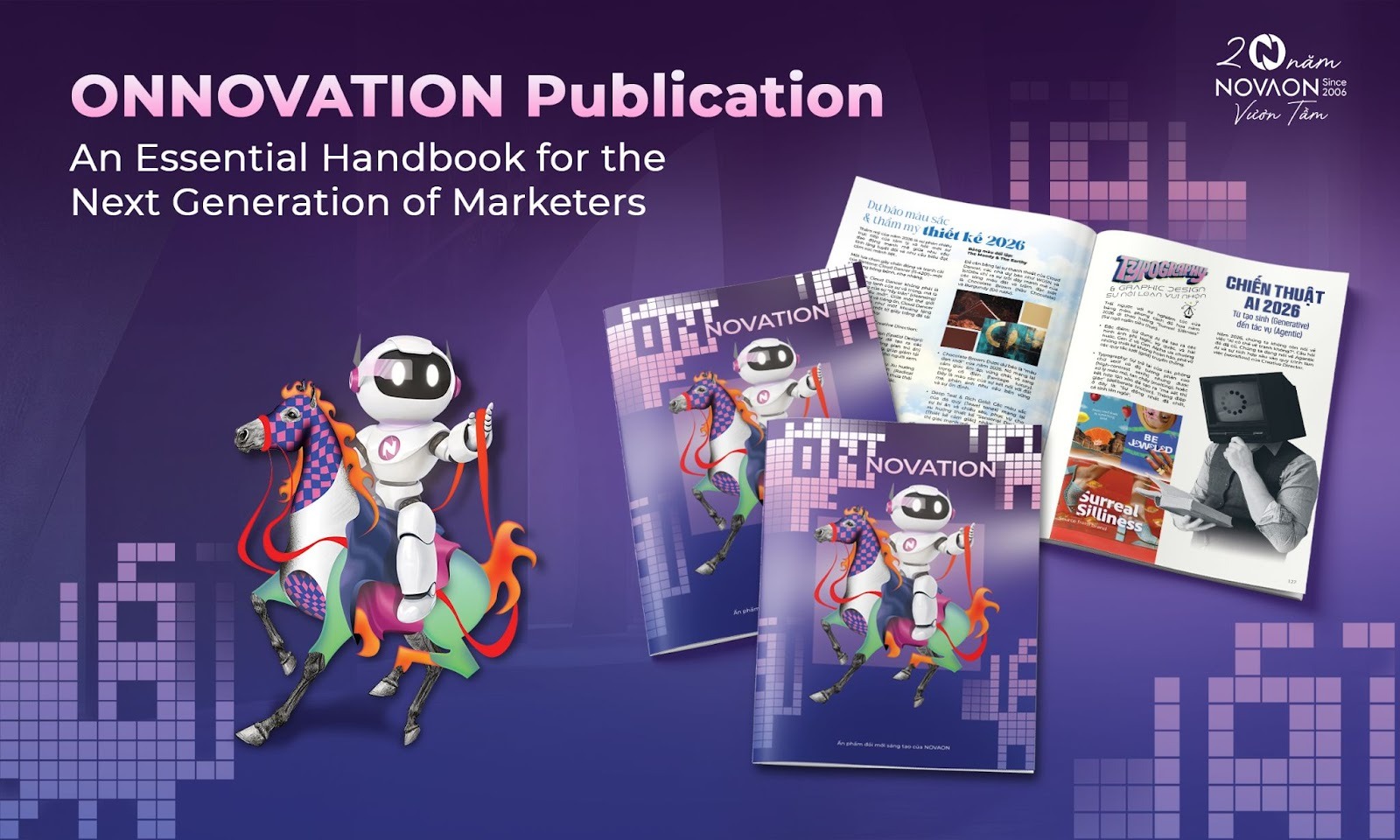
Amid the backdrop of an increasingly dynamic marketing landscape, Novaon Digital introduces OnNovation – a publication that brings together insights, observations and practical perspectives on the intersection of Strategy, Creative and Technology. More than a trend report, OnNovation serves as a practical reference for marketers and business leaders looking to adapt, innovate and grow by placing customer experience at the center of growth.
Marketing Industry in 2025: Restructuring around Real Experience
Chapter I of OnNovation presents a realistic view of the marketing landscape in 2025, helping businesses better understand changing consumer behaviors, rising performance expectations and the growing demand for more connected brand experience.
This section is built upon analysis from globally recognized sources such as McKinsey, Deloitte and Dentsu, thus offering an objective look at the market today. One of the most notable findings is that while 93% of businesses have adopted AI, 79% of customers still face a friction gap in their brand experience. This gap is especially visible in industries with more complex customer journeys namely Automotive and Finance – Banking, where customer data is often fragmented across online and offline touchpoints.
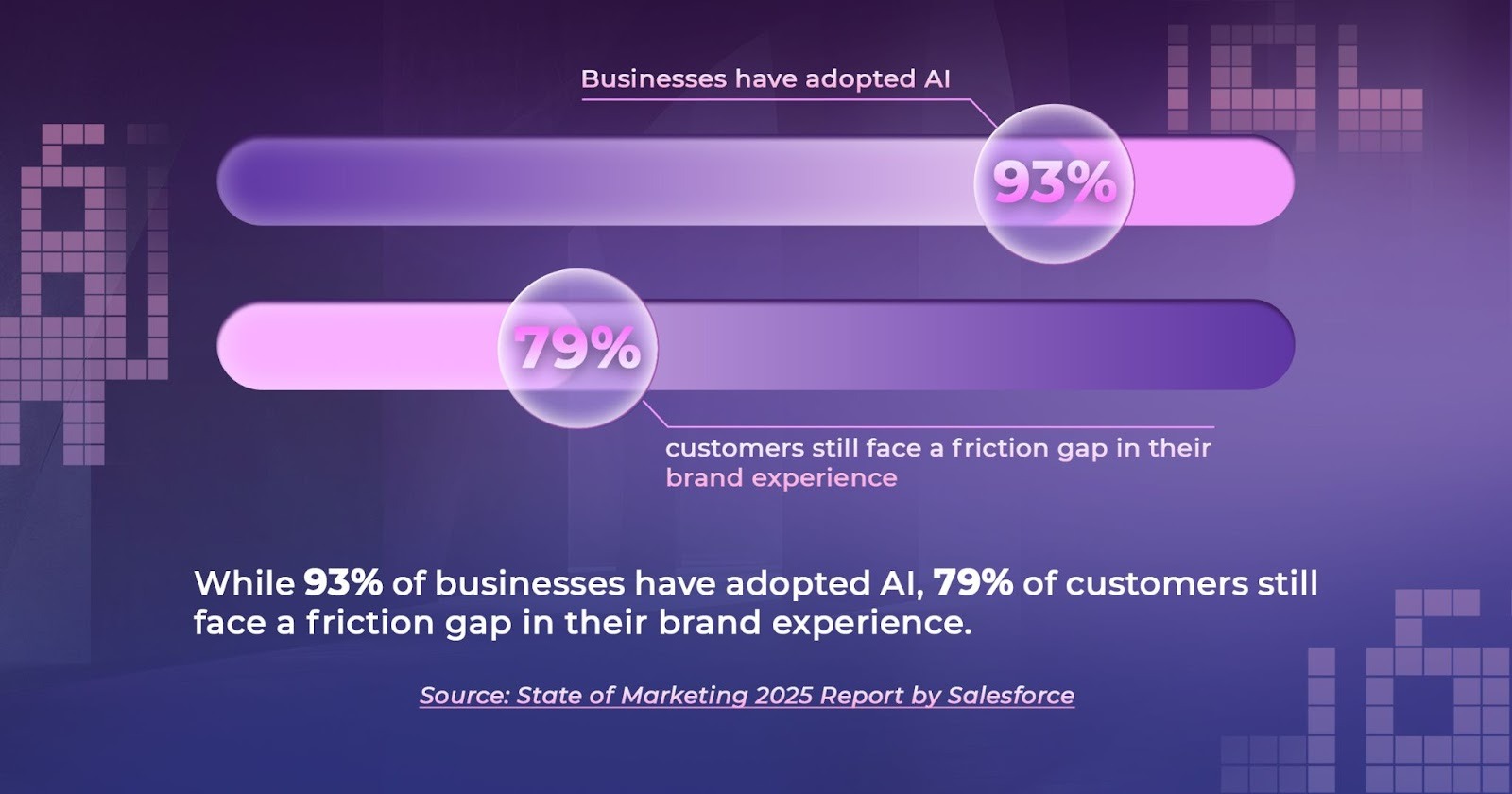
Surveys about Brand Experience among customers
Source: Novaon Digital
Thus, to maintain long-term brand health, OnNovation suggests that businesses move beyond using AI as a simple support tool and begin integrating it into operational systems to leverage efficiency and performance. At the same time, the publication highlights the importance of balancing long-term branding with short-term performance via the recommended 60:40 ratio, facilitating businesses to strengthen customer trust in the digital era.
Expert Voice: Expert Perspectives on Key Industries
Beyond providing a broad market overview, OnNovation also takes a deeper look into specific industries through the Expert Voice section in Part II. This section brings together practical experiences and in-depth perspectives from industry leaders who are directly involved in building and leading marketing campaigns. Their insights offer a more grounded understanding of how brands can balance technology with human connection.
The first contribution comes from Mr. Nguyen Dang Quang (Deputy CEO of Omoda & Jaecoo Vietnam) with the topic “When CEOs grow alongside the brand in the Brand-building journey”. In this section, he discusses the role of leadership in reinforcing an organization’s core values and transparency, thereby building sustainable trust with the public.
The second perspective comes from Ms. Nguyen Bao Phuong (Marketing Director of Subaru Vietnam) with the topic “Short Video Marketing – The strategic key for automotive communications in the digital era”. She highlights how short-form videos and livestreams can be used to simulate real experience, such as POV Test Drive, helping customers access information more intuitively while supporting the consumer purchase journey.
In addition to perspectives from the Automotive industry, the publication also explores insights from the Finance – Banking sector. This section features Ms. Dao Thi Thom (Deputy Director of Communications and Marketing at MSB) with the topic “Building Vibrant Brand Experiences in Financial Services.” The focus is on how MSB connects online-to-offline (O2O) touchpoints to transform traditionally dry financial products into a meaningful part of the digital generation’s lifestyle.
This is followed by insights from Mr. Choi Yun Sun (CFO of KB Securities Vietnam) with the topic “Communication Strategy: Sustainable investment and responsible financial ecosystem”. From a financial management perspective, he emphasizes that providing investors with financial knowledge is a strategic investment in building a transparent and sustainable financial ecosystem.
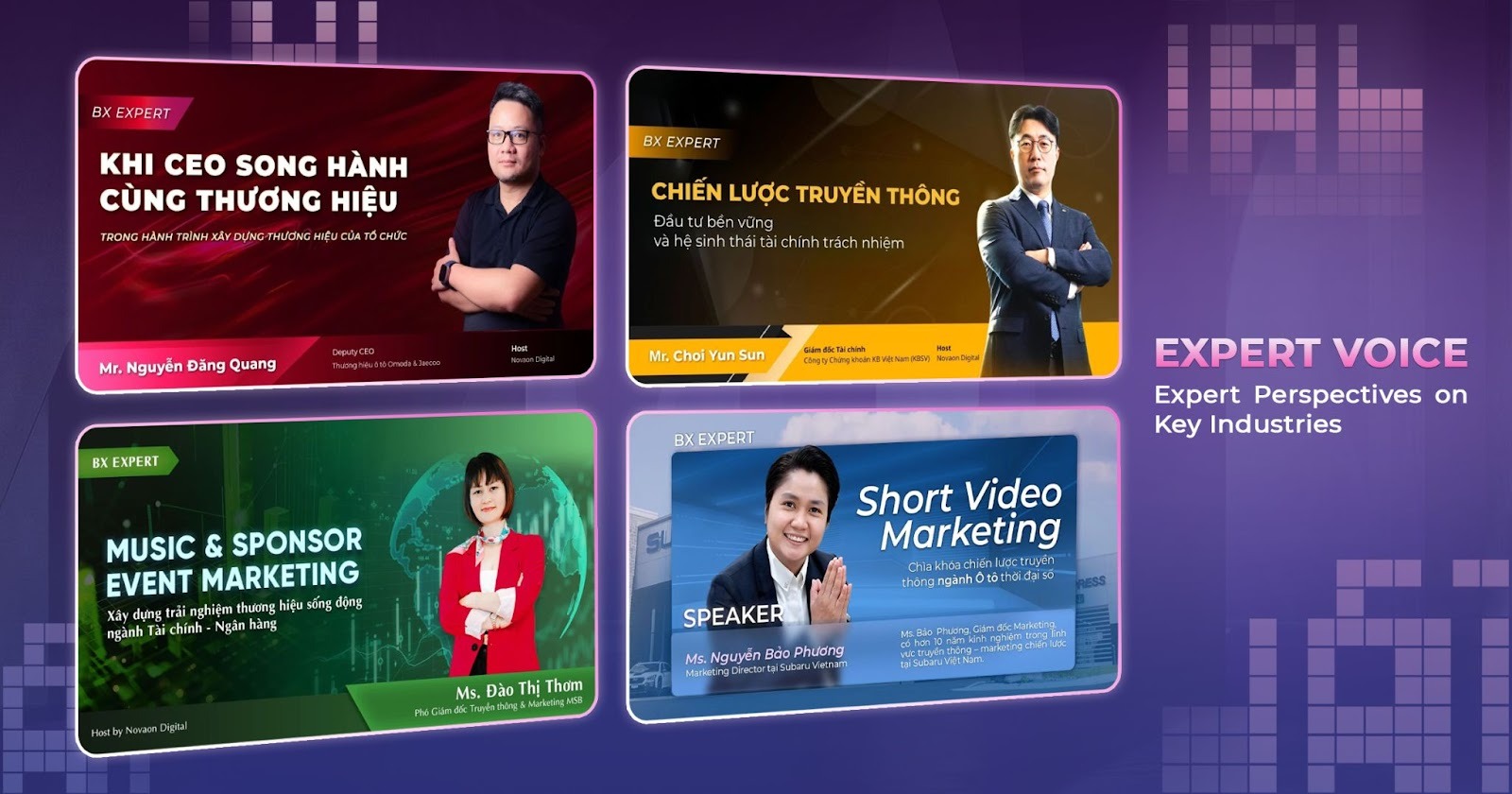
Expert Voice from Key Industry Experts
Source: Novaon Digital
Best Practices: From Strategic Solutions to Practical Applications
Building on the macro-level insights and expert perspectives shared in the earlier sections, Part III of ONnovation focuses on practical solutions that businesses can apply to support their growth objectives in 2026.
At the center of this section is Brandformance – an approach that combines brand building with performance optimization. OnNovation argues that as operating costs continue to rise, marketing campaigns need to do more than simply communicate brand identity. They should also deliver measurable business impacts, drive conversion and contribute to revenue growth.
This dual approach is demonstrated through practical case studies. In the Finance – Banking sector, MSB serves as a strong example of how a bank can transform brand communications into a multi-touchpoint experience. With the launch of the MSB Mastercard mDigi card alongside the “Bật chất Gen Digi” music festival, MSB did more than promote a financial product yet it positioned the product within a context that reflects the mindset, lifestyle and aspirations of younger customers. By integrating technologies such as QR codes and AR, MSB positioned the mDigi card as a symbol of a dynamic lifestyle.
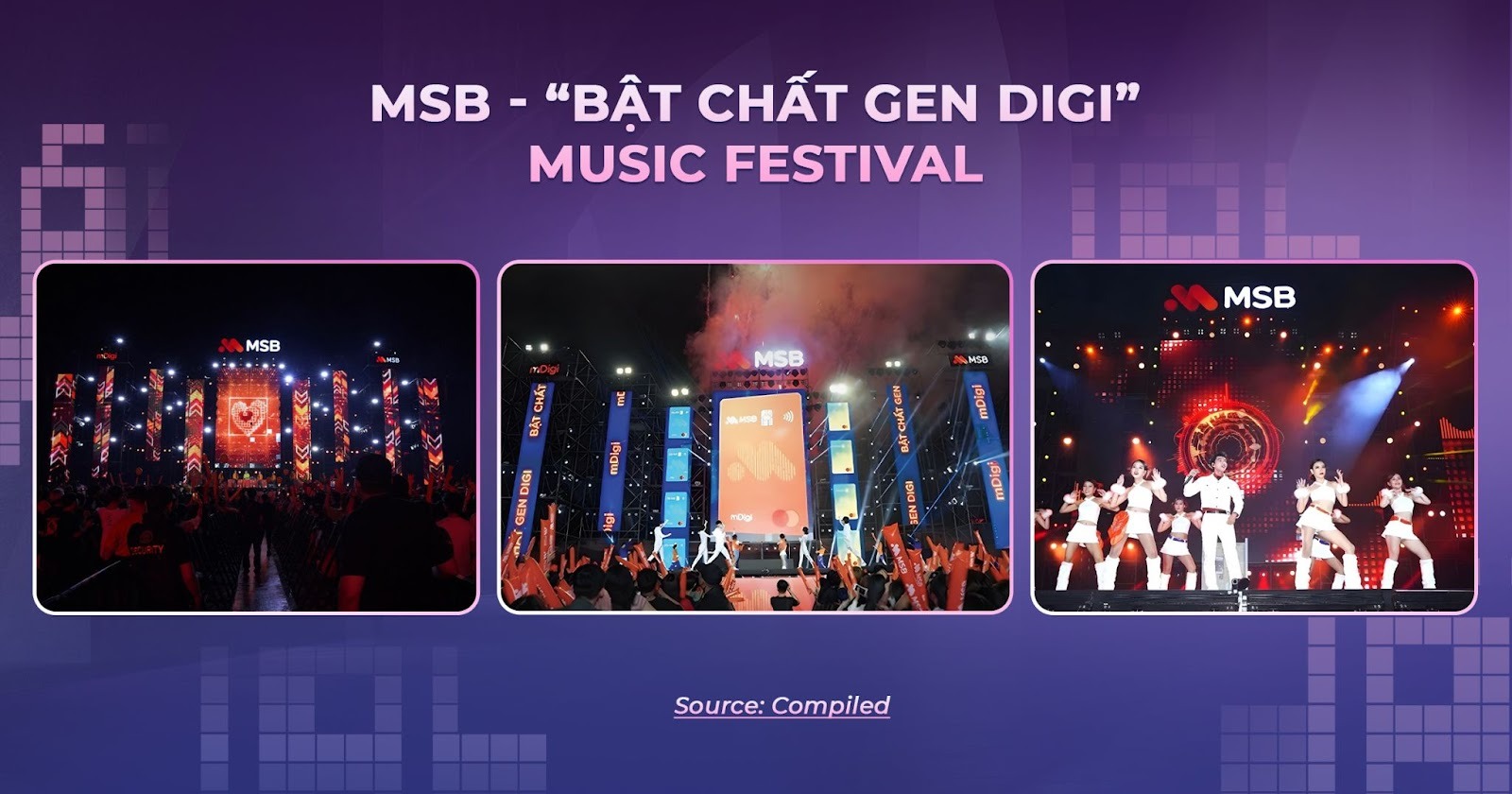
“Bật chất Gen Digi” music festival of MSB
Source: Novaon Digital
In addition, OnNovation explores perspectives from case studies in the Automotive industry. Specifically, the Automotive sector can leverage data and personalization to better engage customers. By using data to understand the unique needs of each customer segment, brands can deliver more relevant messaging and guide customers naturally toward showroom visits and test drives.
Another important focus in the Finance – Banking industry is the strategy of building internal strength through Employee Advocacy. In this approach, businesses can leverage their employees to amplify brand values, thus creating authentic trust and long-term customer connections through their internal brand ambassadors.
Brand Experience Trends in 2026: The Core Capability Pillars of Strategy – Creative – Technology
Based on current analyses and practical lessons, OnNovation believes that brand experience in 2026 will be shaped by three core capability pillars: Strategy, Creative, and Technology. Proactively developing these capabilities will help businesses adapt more effectively to market changes.
More specifically, businesses can combine these three pillars to optimize performance and strengthen brand development in the digital era. From a Strategy perspective, organizations can move towards hyper-personalization based on contextual and real-time consumer behaviors. Creative, meanwhile, should be driven by data to create emotional touchpoints and long-term engagement. Finally, Technology should not simply be about owning tools but rather about applying them in ways that improve customer understanding and optimize user experience.
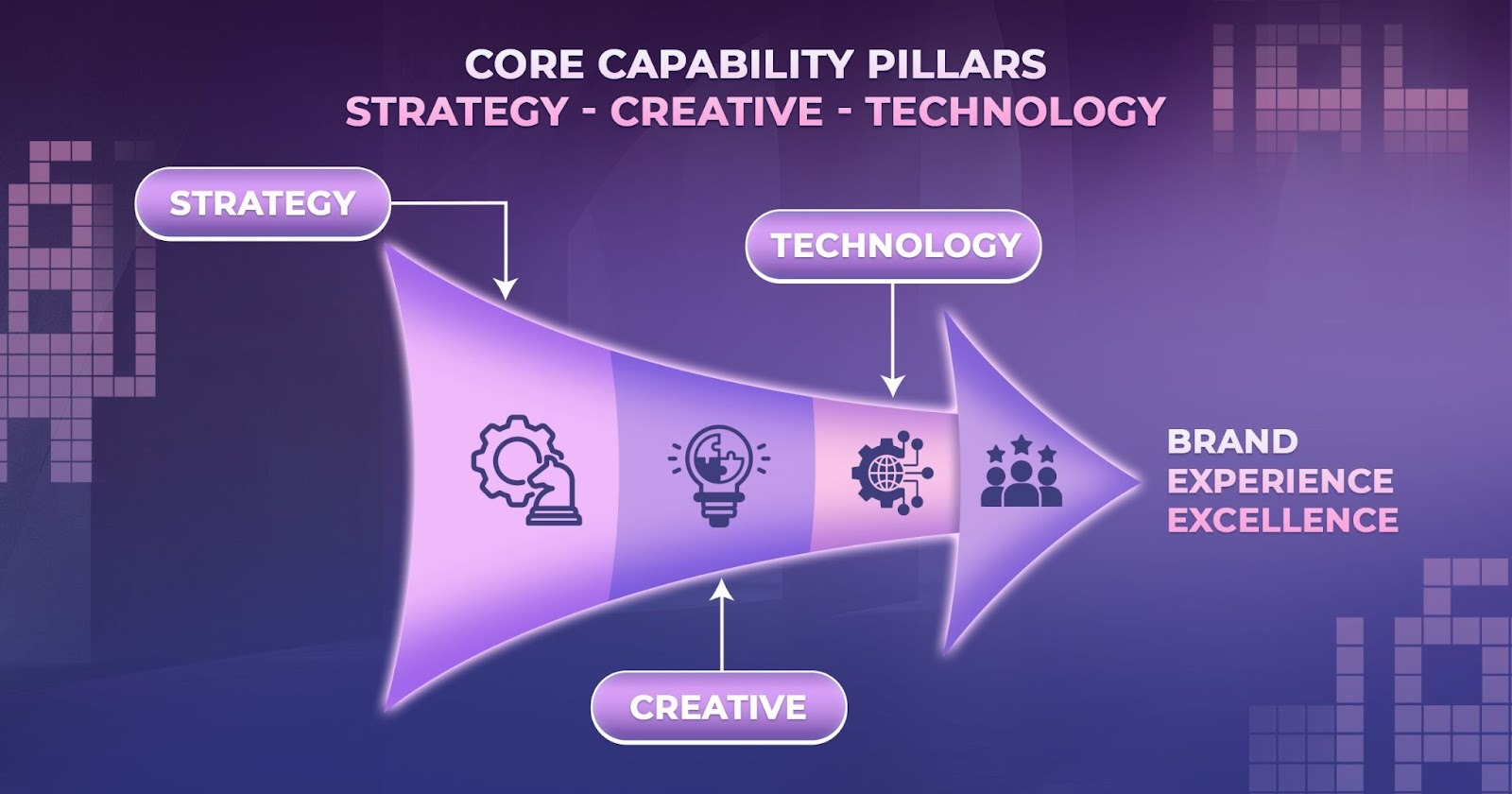
Brand Experience trends with core capability pillars Strategy – Creative – Technology
Source: Novaon Digital
The publication also references insights from The Global Creative Trends report compiled by Mr. Do Thien (Creative Director of Novaon Digital). This report highlights the rise of multisensory experiences and the convergence of physical and virtual environments through AR and VR. In particular, the Human-in-the-loop model is emphasized through an 80:20 ratio: While AI handles repetitive tasks and data analysis, humans remain essential in shaping brand identity and making strategic decision-making.
Conclusion
Developed by Novaon Digital, OnNovation is created to share insights and observations on the shifts that are shaping the future of brand experience. From the growing importance of Strategy, Creative and Technology to the rise of hyper-personalization, Brandformance and AI-powered operations, the publication brings together the trends and ideas that businesses need to understand in order to stay ahead.
As the Marketing landscape continues to evolve, businesses are facing new challenges around effectiveness, engagement and customer engagement. Novaon Digital hopes that the insights, data and expert perspectives featured in OnNovation will serve as valuable references, helping businesses better prepare for the future and optimize their brand experience strategies. Explore the latest brand experience trends with OnNovation today!
Register here