1. The Context Driving the Shift from Mass to Micro
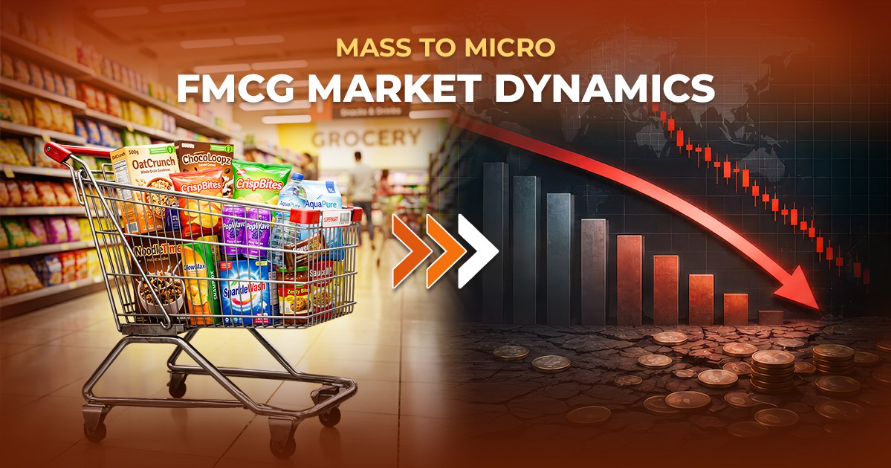
Macroeconomic uncertainty and data as a new competitive axis
The global economy is slowing down. The IMF forecasts global growth to decline from 3.3% in 2024 to 3.1% in 2026, while the World Bank projects global growth to reach only around 2.6%. Against this backdrop, consumers are tightening their spending: 47% are classified as “value seekers”, 79% are actively cutting back on expenses, and 52% only buy products they are certain they will use.
As a result, purchasing behavior is no longer driven purely by habit. It is increasingly tied to the real value consumers see in every choice they make. At the same time, data is becoming a critical competitive advantage, enabling brands to understand and engage consumers more effectively.
FMCG faces the limits of volume-led growth
FMCG remains a large-scale industry, but its growth momentum is slowing as markets become more saturated and products become harder to differentiate. At the same time, power is gradually shifting toward retailers, marketplaces, and social commerce platforms – the players that control consumer data and have direct influence over purchase decisions.
Meanwhile, mass marketing is becoming less effective due to rising media costs and fragmented attention. This forces FMCG brands to move beyond maximizing reach and start optimizing value across each customer and each touchpoint.
Gen Z and the transformation of consumer behavior
Gen Z is becoming a generation that strongly influences how modern marketing operates. This is a social-first generation that consumes to express personal identity and is heavily influenced by communities, KOCs, and creator content.
They research carefully but make quick decisions when a brand feels aligned with their lifestyle and personal values. They are also willing to switch to another brand if it offers a more interesting experience. This makes mass messaging increasingly less effective, while personalized experiences are becoming a baseline requirement for brands to stay relevant to Gen Z.
Conclusion: Market conditions, FMCG industry pressure, and shifts in Gen Z behavior all point to the declining effectiveness of mass marketing. This creates the foundation for the shift from Mass to Micro, where brands need to build deeper relevance instead of simply expanding reach.
2. Mass to Micro Trends in FMCG Marketing for the Gen Z Era
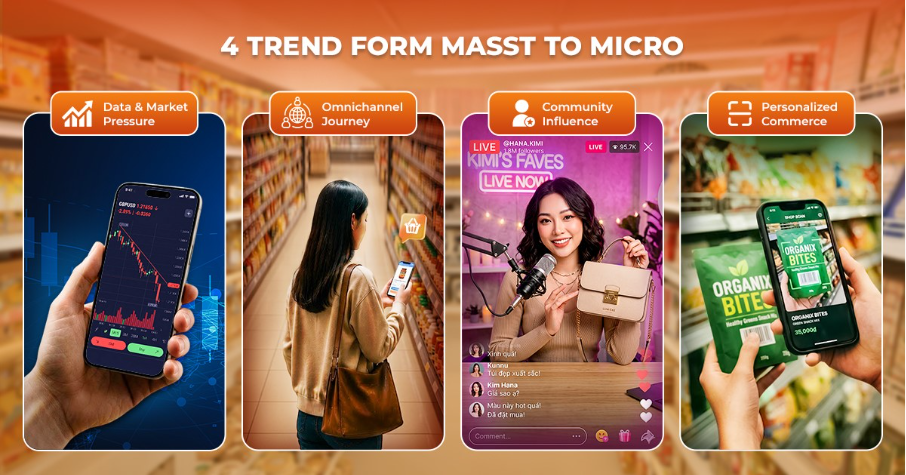
Mass to Micro is the shift from a mass marketing model to a more micro-targeted approach, where content, experiences, and value are personalized for individuals or smaller consumer group.
This means FMCG brands can no longer focus only on mass reach. They must move toward meaningful relevance – creating deeper relevance across specific consumer behaviors and contexts.
Trend 1: Data-Driven Personalization
As consumer behavior becomes increasingly fragmented, FMCG brands need to rely more on data, AI, and automation to understand consumers at a deeper level. Today, a consumer may watch reviews on TikTok, search on Google, and then decide to purchase through an e-commerce platform or a physical store.
This makes it less effective to use the same content and the same journey for every customer. Data is no longer just a tool for optimizing advertising. It is becoming the foundation that enables brands to personalize experiences at greater scale.
Trend 2: Contextual & Omnichannel Personalization
Consumers now move continuously between social media, e-commerce, apps, and physical stores within the same shopping journey. This means personalization is no longer only about reaching the “right person”. It must also happen at the “right time”, on the “right platform”, and in the “right context”.
In response, many FMCG brands are investing more heavily in omnichannel strategies, performance media, and social ecosystems to create seamless experiences across online and offline touchpoints.
Trend 3: Identity & Community Personalization
Gen Z does not consume only for product functionality. They also consume to express lifestyle and personal values. This makes micro-communities, KOCs, and creator content increasingly influential in purchase decisions.
Instead of relying on one message for the entire market, brands are developing multiple layers of content tailored to specific lifestyles and communities. This helps create a stronger sense of closeness and relevance among younger consumers.
Trend 4: Product & Experience Personalization
Personalization is no longer limited to communication. It is expanding into products and consumer experiences. Consumers increasingly expect interactive experiences, consultations, and product trials that feel more relevant to their personal needs.
This is encouraging more brands to adopt AR/VR/XR, phygital experiences, and digital production to create clearer personalization across each brand touchpoint.
These four trends show that personalization in FMCG is not simply about changing the message. It reflects a broader shift in how brands understand consumers, design experiences, and create value in each consumption context.
3. Case Studies Representing the Mass to Micro Shift in FMCG
PepsiCo: Personalization through data and direct-to-consumer
In an FMCG landscape where brands rely heavily on retail channels and often lack direct consumer data, PepsiCo has strengthened its direct-to-consumer strategy to build deeper connections with customers.
The brand launched D2C platforms such as PantryShop and Snacks.com to collect direct purchasing behavior data. This allows PepsiCo to personalize product recommendations, bundles, and consumer experiences based on more specific needs.
This approach shows that data is no longer used only to optimize advertising. It is becoming the foundation for FMCG brands to build personalized experiences at larger scale.
Dove by Unilever: Personalization through identity and community
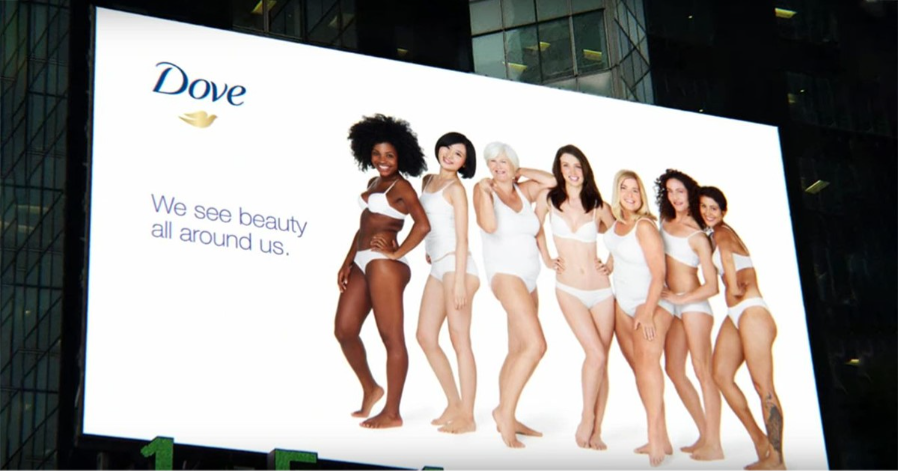
In a market where FMCG messaging has become saturated and consumers are increasingly skeptical of traditional advertising, Unilever built the Dove Real Beauty campaign as an approach rooted in identity and personal values.
Instead of promoting a universal image of perfection, Dove chose to celebrate real beauty, encourage user-generated content, and build a community around self-esteem. The campaign shows that personalization in FMCG is not only about data or technology. It also comes from the ability to create empathy and relevance with specific consumer groups.
4. Expert Perspective
Personalization is opening up new growth opportunities for FMCG, but it also presents challenges around data, implementation costs, and consumer privacy. FMCG is a high-volume, low-margin industry, which makes investment in technology and operations more complex than in many other sectors.
However, as products become harder to differentiate, the ability to build relevant experiences will become an important competitive advantage. Personalization can help improve conversion, increase customer lifetime value, and maintain long-term relevance with consumers.
In the future, personalization is likely to become a basic standard in FMCG marketing. First-party data and zero-party data will become core business assets, while AI will accelerate real-time hyper-personalization at greater scale. At the same time, omnichannel and phygital experiences will gradually become the new experience standards for the FMCG industry.
Conclusion
2026 marks an important transition period for the FMCG industry, as growth models built on scale, reach, and mass messaging are no longer enough to create competitive advantage. As consumers become more selective in spending, Gen Z becomes more fragmented, and expectations for relevant experiences continue to rise, personalization is becoming the key for brands to rebuild connection, optimize marketing effectiveness, and increase value across each customer.
The report “From Mass to Micro: Personalizing FMCG Marketing Experiences for the Gen Z Era” is developed by Novaon Digital to help brands better understand the key shifts reshaping the FMCG industry – from market context and Gen Z insights to the Mass to Micro concept, emerging personalization trends, and strategic implications for the next phase of growth.
Register now to receive the full report from Novaon Digital and explore how FMCG brands can move from mass reach to meaningful relevance – from reaching the crowd to creating more relevant experiences for each consumer group.
—