As the automotive market becomes increasingly competitive, communicating solely around products and features is no longer sufficient to create differentiation. Consumers do not purchase cars purely for mobility needs, but also for the emotions, experiences, and personal values associated with that choice. Storytelling has therefore emerged as a strategic approach, enabling automotive brands to build long-term attachment through memory, emotion, and user identity.
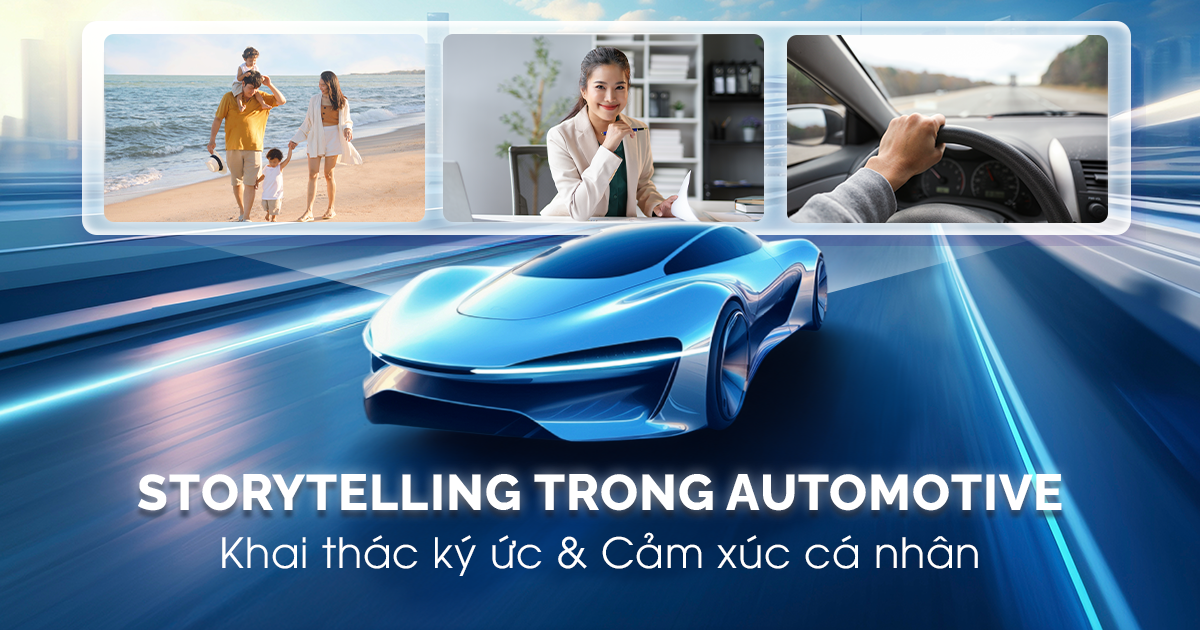
I. Industry context: As Automotive enters the “era of emotion”
The global automotive industry is entering a phase in which technological advantages are gradually narrowing. According to a report by Boston Consulting Group (BCG), a survey of more than 9,000 car buyers across 10 major markets indicates that the automotive market is no longer driven solely by technical priorities or product specifications. Instead, purchase decisions are increasingly influenced by experience-related factors and digital touchpoints throughout the buying journey. BCG also notes that electric vehicles are expected to account for approximately 15% of global new-car sales by 2025, a sharp increase compared to the early years of the decade—reflecting not only technological change but also a shift in consumer mindset.
In Vietnam, this trend is clearly reflected in the psychological and emotional factors shaping car-buying decisions. A study conducted in July 2025 shows that Vietnamese consumers rate the safety of electric vehicles at a moderately high level and battery durability at a high level, indicating a growing sense of trust and reassurance. At the same time, factors related to environmental impact and social image receive high levels of agreement, suggesting that buyers are considering not only functional attributes, but also the values and meaning a car represents (Nguyen Hoai Nam, MSc., Economy & Forecast Review).
In this context, storytelling becomes a critical positioning tool. When consumers no longer ask only “what does the car offer?” but also “what does this car mean to me?”, brands must move beyond feature-based selling. Storytelling allows products to be placed within real-life moments, activating personal memories and emotions, thereby building long-term attachment—an increasingly decisive factor in modern automotive competition.
II. Storytelling in Automotive: A strategy that connects with users’ memory and emotion
As consumers increasingly seek richer brand experiences, storytelling in the automotive industry can no longer stop at inspirational narratives alone. To generate genuine engagement and long-term value, storytelling strategies must be built on core elements that directly connect with daily life, emotion, and the way users define themselves. Below are the key pillars that automotive brands should focus on when implementing storytelling strategies.
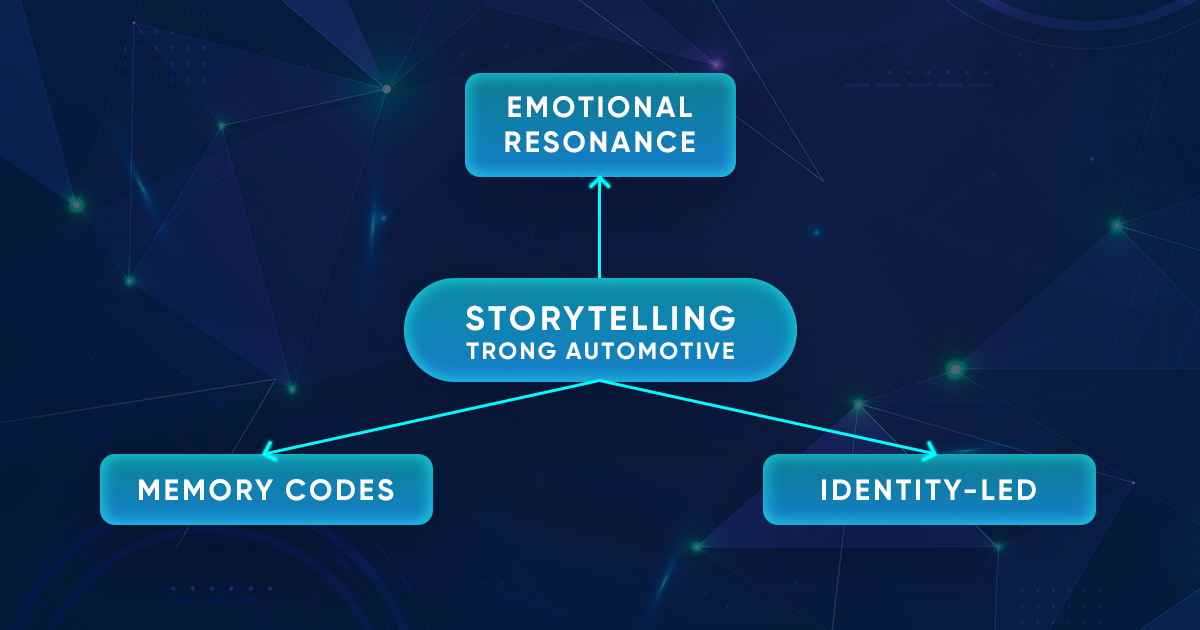
Core elements to prioritize in Automotive storytelling
1. Memory Codes: Emotional imprints tied to the product
In automotive communication, “memory” can be understood as familiar moments in personal life that, when activated, evoke emotion and a sense of familiarity. In the car category, memories are not formed through a single use, but accumulated over time—from childhood rides to school with parents, to the early career phase marked by a first car, to long-distance journeys taken later in life. When a car consistently appears across these milestones, it gradually becomes part of lived memory rather than merely a mode of transportation.
Leveraging memory in storytelling does not rely on grand or dramatic narratives, but on everyday, relatable, and repetitive details. These may include the view from the back seat, the sound of a car door closing each morning, trips back to hometowns during holidays, or the sense of reassurance when traveling together. Such details allow brands to tap into viewers’ personal experiences, triggering the feeling of “I have been there,” thereby creating natural and lasting emotional attachment.
In automotive communications, this approach is particularly suited to family-oriented vehicles, SUVs, or campaigns focused on anniversaries and repositioning. Rather than stopping at the point of purchase, memory-based storytelling extends the narrative across the entire ownership journey. As familiar experiences accumulate over time, the car is no longer perceived as a momentary choice, but as a familiar presence tied to personal milestones—forming the foundation for emotional attachment and brand loyalty.
2. Emotional Resonance: When stories become catalysts for purchase decisions
Although car purchases are highly rational decisions, they are strongly influenced by emotion. Beyond mobility needs, consumers seek a sense of safety behind the wheel, confidence in everyday life, maturity through ownership, and feelings of freedom and excitement during new journeys. In this context, emotion becomes a critical intermediary connecting personal aspiration and purchasing decisions.
Storytelling enables brands to shift from “presenting benefits” to empathizing with and accompanying customers. Rather than stating what the car offers, stories focus on how it feels in real life—peace of mind, excitement at new beginnings, or satisfaction in choosing something aligned with personal values. When emotion is positioned appropriately, storytelling not only addresses practical needs but also reinforces satisfaction and trust.
In automotive campaigns, this approach is commonly applied when launching new safety technologies, promoting electric or eco-friendly vehicles, or sponsoring sports, music, and cultural events. In these settings, storytelling allows brands to associate cars with reassurance, excitement, and freedom rather than technical specifications. This emotional resonance acts as a catalyst, bringing consumers closer to purchase decisions.
3. Identity-led Storytelling: Defining the self in a new era
In modern consumer culture, cars no longer reflect only functional needs; they serve as vehicles for self-expression. Choosing a brand or model is increasingly tied to the question, “Who am I when I drive this car?”—especially as consumer mindsets grow younger and more conscious of lifestyle and personal image. Cars become personal statements, reflecting values, lifestyles, and social positioning.
Identity-led storytelling allows brands to subtly mirror the lifestyles of different consumer groups. Rather than explicitly addressing segments, stories revolve around imagery, behavior, and emotions representing different lifestyles—luxurious yet minimalist, dynamic and free, composed and resilient. When consumers see themselves reflected in these narratives, brand–individual connections form organically.
This approach is particularly effective for brands targeting clearly defined segments or undergoing repositioning. Through identity-led storytelling, brands not only introduce new products but redefine their role in consumers’ lives. When identity is told consistently and authentically, cars become highly personalized choices that reinforce attachment and loyalty.
III. Challenges and solutions in implementing Automotive storytelling
While storytelling offers clear advantages in differentiation and emotional connection, executing this strategy in the automotive industry is far from simple. High product value, long purchase journeys, and cultural diversity create tangible barriers. To ensure emotion genuinely drives purchase decisions and long-term attachment, brands must clearly identify core challenges and adopt appropriate approaches.
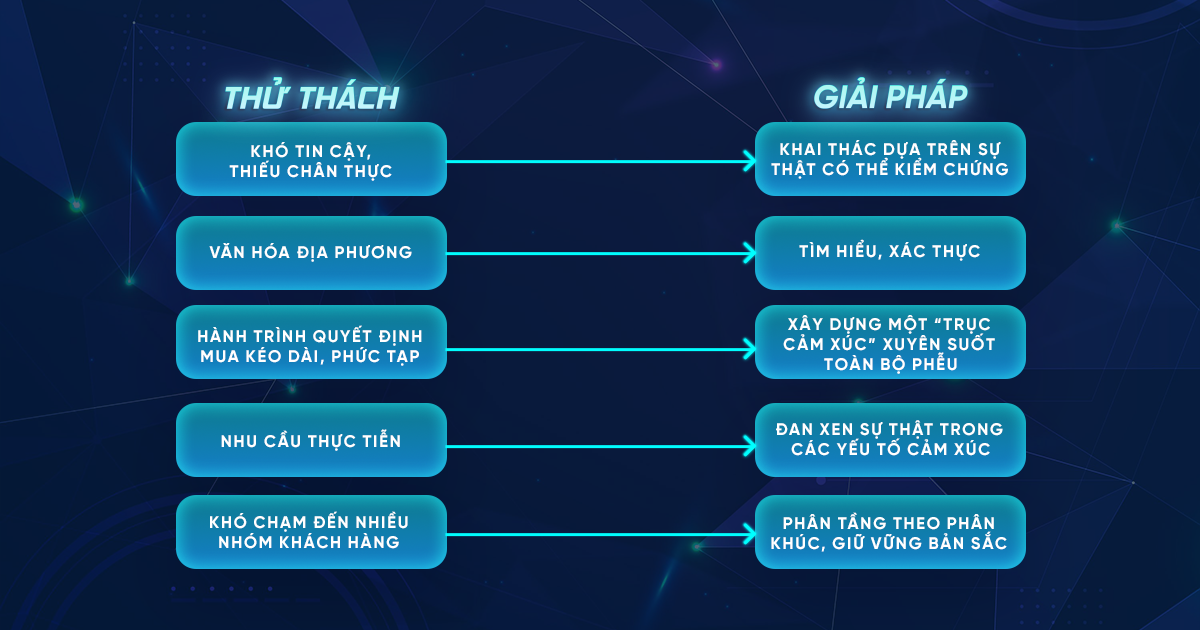
Challenges and solutions for Automotive storytelling strategies
1. Key barriers in Automotive storytelling
- Lack of credibility and authenticity: Automotive storytelling often falls into familiar tropes—family, journeys, personal growth—resulting in repetition and artificiality. Overly staged or idealized narratives can trigger skepticism among increasingly ad-aware consumers.
- Local cultural relevance: Many storytelling campaigns rely on global narratives that are insufficiently adapted to the Vietnamese context. Differences in mobility habits, family structures, and lifestyles can make stories feel distant. Without cultural balance and understanding, genuine resonance is difficult to achieve.
- Long and complex purchase journeys: Car-buying decisions span multiple stages and touchpoints. When each channel tells a different story, emotional continuity breaks down. Maintaining a unified narrative throughout the journey becomes a major challenge.
- Practical considerations: Despite emotional appeal, consumers still prioritize rational factors such as safety, durability, and reliability. Without credible practical grounding, emotional storytelling struggles to convert into purchase decisions.
- Difficulty engaging diverse customer segments: The automotive market encompasses varied segments with different motivations. A single narrative rarely resonates with all, making scale difficult without diluting positioning.
2. From challenges to strategy: How storytelling creates long-term value
- Ground storytelling in real experiences and verifiable truths: Rather than idealized narratives, brands should start from authentic user experiences and everyday situations. Anchoring stories in tangible proof—safety, durability, real usage—gives emotional narratives weight and credibility.
- Develop culturally grounded insights through research and validation: Effective storytelling must be built on a deep understanding of local living contexts, mobility habits, and values. Research-backed insights ensure stories reflect real life rather than surface-level localization.
- Establish a consistent emotional spine across the customer journey: Brands should define a core narrative deployed consistently from awareness through post-purchase experience. Each touchpoint becomes a chapter of the same story, maintaining emotional continuity.
- Blend emotion with rational reassurance: Emotion should be supported by practical reasons for trust. Integrating safety, stability, and efficiency into everyday storytelling contexts helps emotion and logic work together.
- Segment storytelling while preserving brand identity: Different emotional angles can address different customer groups, while maintaining consistent brand values. This enables scale without diluting positioning.
IV. Case studies: When storytelling becomes a breakthrough for automotive brands
1. Volvo – “Our Volvo Story” (2025): Connecting memory and community
A recent example of effective automotive storytelling is Volvo’s continued focus on real-life memory and user experience rather than traditional safety advertising.
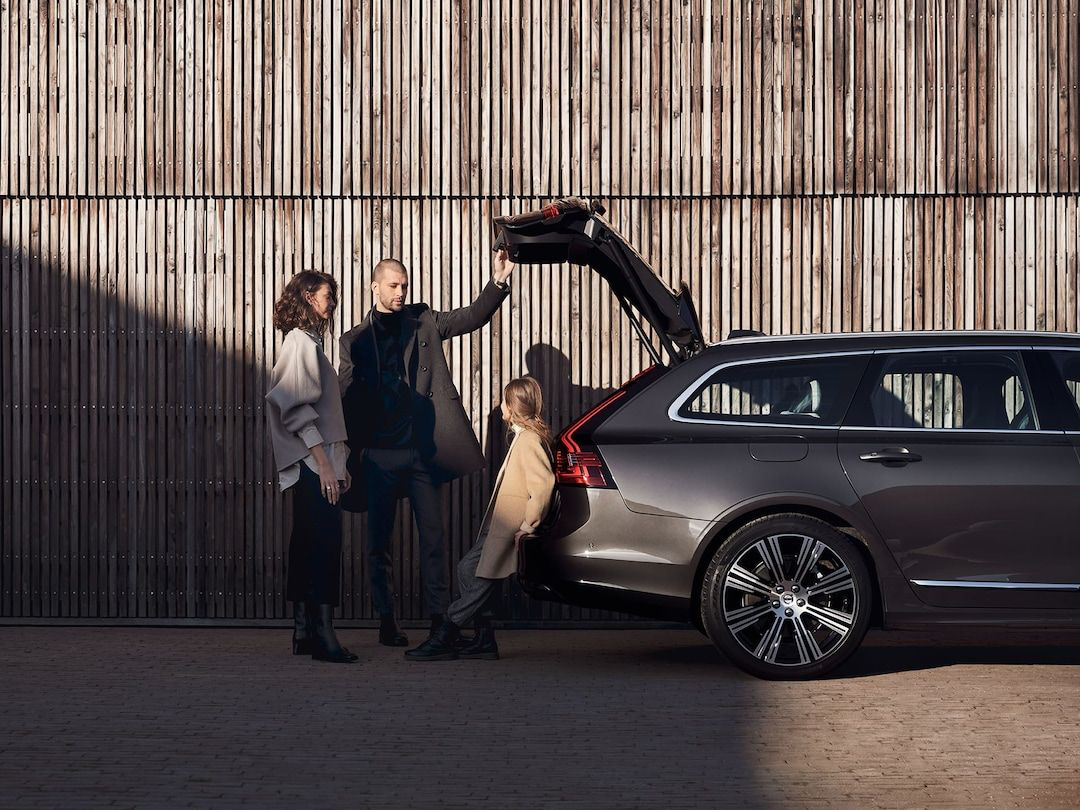
Volvo and its “Our Volvo Story” campaign focus on authenticity and real user experiences.
As part of its 70th anniversary in the U.S. market, Volvo Cars launched the “Our Volvo Story” campaign, choosing to tell brand history through authentic stories from customers, employees, and dealers across generations. Rather than showcasing products or technology, the campaign highlights personal memories—families using Volvo for decades, long-tenured factory workers, and multi-generational dealerships. People are placed at the center, with cars appearing as familiar companions rather than featured protagonists.
This approach clearly demonstrates Volvo’s use of personal memory as a storytelling asset—activating associations with safety, reassurance, and long-term companionship. These stories, told from real user perspectives rather than brand narration, feel more authentic and persuasive than staged advertising. Cars play a supporting role, quietly accompanying life milestones. As a result, Volvo strengthens its safety positioning while building long-term emotional equity—an essential advantage in an increasingly competitive market.
2. Toyota – “Start Your Impossible” (2024–2025): When emotion drives the journey beyond limits
In recent years, Toyota has remained committed to its global storytelling platform “Start Your Impossible,” treating it as a long-term emotional backbone rather than a short-term campaign.

“Start Your Impossible” embodies Toyota’s brand spirit through its focus on emotional resonance and motivational narratives.
Through stories of Olympic and Paralympic athletes and individuals overcoming physical and social limitations, Toyota puts people before products. Cars are not the centerpiece but tools supporting progress, aligning the brand with perseverance, confidence, freedom, and hope. Content is distributed globally via official campaign platforms and Toyota newsrooms, ensuring transparency and verifiability.
Toyota reports that the 2024–2025 reactivation of “Start Your Impossible” was deployed across multiple markets, involving more than 20 Olympic and Paralympic athletes globally, supported by multi-format content across television, digital, and social media. In Asia, localized athlete representation enhanced cultural relevance and emotional resonance.
Toyota exemplifies emotional storytelling in Automotive—building empathy, trust, and companionship rather than relying on technical persuasion. Over time, this emotional consistency forms lasting brand equity beyond short-term appeal.
3. BMW – “The Ultimate Driving Machine” (2020–present): Redefining personal driving experience
Since 2020, BMW has actively refreshed its “The Ultimate Driving Machine” brand platform through global campaigns centered on driving experience and individual emotion. Rather than focusing on specific models, campaigns place drivers at the center, using minimalist settings—open roads, quiet spaces, controlled pacing—to highlight mastery and connection. Cars appear as extensions of the driver’s body and emotion rather than objects of display.
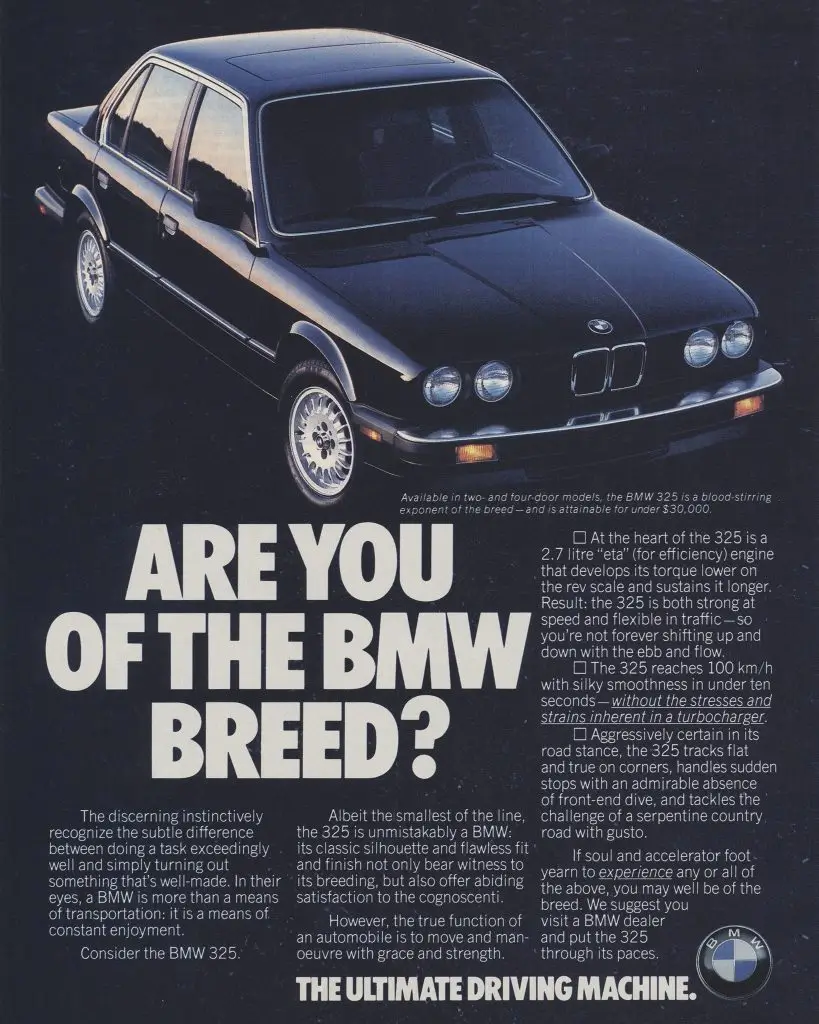
The slogan “The Ultimate Driving Machine” has long been embedded in BMW’s brand positioning since its inception.
The core of the campaign lies in identity-led storytelling. Messages are conveyed not through overt explanation but through visual rhythm and sensory experience—focus, control, and the pure joy of driving. BMW does not tell life stories; it tells moments of personal dialogue between driver and machine. This enables subtle yet powerful identity positioning for individuals who value experience, control, and a clear sense of self.
By consistently evolving “The Ultimate Driving Machine,” BMW preserves its core positioning amid technological and industry change. While avoiding mass emotional spectacle, the brand builds deep, enduring attachment with identity-driven consumers—demonstrating that automotive storytelling need not rely on family or community narratives to create lasting emotional value.
V. Expert perspective from Novaon Digital
Storytelling in today’s automotive industry is no longer merely a communication technique; it has become a strategy for building emotional brand assets over the long term. As differences in technology, design, and features narrow, competitive advantage lies not in saying more, but in telling the right story—at the right moment, with the right emotion.
In practice, automotive customer journeys are long and complex, spanning awareness, consideration, test drives, showroom experiences, and after-sales engagement. Storytelling therefore cannot remain confined to isolated campaigns; it must function as a continuous narrative within a Brandformance strategy—consistent yet flexible across touchpoints.
As technology becomes a baseline expectation, emotion emerges as the invisible force shaping brand choice. Brands that successfully activate memory, empathize with emotion, and reflect personal identity will move beyond transactional relationships. These “stories that truly resonate” enable automotive brands not only to be chosen, but to be remembered and accompanied over time.
With integrated consulting and execution capabilities, Novaon Digital partners with brands to create differentiated experiences, connecting the values of financial and banking enterprises with their customers. Storytelling in Automotive not only helps brands connect emotionally, but also opens pathways to sustainable growth—where brand experience is built across the entire customer journey and transformed into long-term emotional equity.