10 Brand Experience Trends for Winning Gen Z in Banking & Finance 2026 

As Gen Z continues to play a central role in the digital financial ecosystem, understanding their behavior and experience expectations has become a decisive factor for Banking & Finance brands. This article first clarifies the most prominent Gen Z insights, then systematizes Brand Experience trends aligned with the 2026 context. Following this logic, the opening section focuses on decoding the shift in financial behavior and bank selection criteria among this generation. 

1. Decoding Gen Z Insights and Strategic Implications for Brand Experience in Banking & Finance 

In recent years, Gen Z is no longer a future customer segment for the Banking & Finance industry, but an active user group with clearly defined financial behaviors. Below are the core insights shaping how Gen Z approaches financial services today. 

Insight 1: Trust is shifting away from traditional banks 

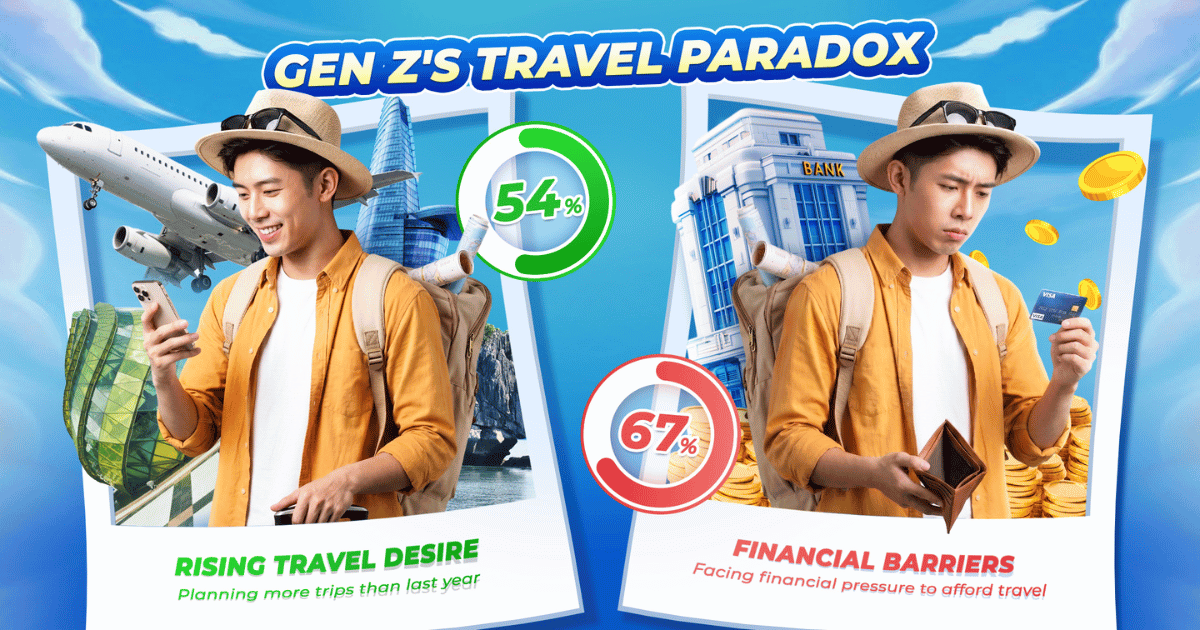
According to a survey by Q&Me, only 22% of Gen Z trust traditional banks, while 54% place their trust in fintech companies. This indicates that Gen Z’s trust is no longer tied to brand scale or legacy, but is formed through real experiences such as transparency, responsiveness, and a sense of control over services. 

However, many banks still approach Gen Z by emphasizing credibility, history, or institutional position rather than demonstrating real experience. One-way, declarative communication makes messages less convincing to a generation that tends to verify information before trusting. 

Insight 2: Smartphone-first access is the default, not an option 

Data from Statista shows that 70% of Gen Z perform banking transactions via smartphone, and the Gen Z mobile banking user segment is projected to grow the fastest by 2026. This reflects that smartphones are not merely transaction tools, but daily platforms where Gen Z interacts with services, manages finances, and evaluates brands. 

Despite this, many brands still treat mobile as a supporting channel rather than the experience core. Heavy investment in communication without optimizing the in-app user journey can create a gap between brand image and actual experience. 

Insight 3: Financially aware but lacking a solid knowledge foundation 

According to SingSaver, 85% of Gen Z have started saving and investing before the age of 22, while OECD data indicates that only about 30% of adults in Vietnam possess basic financial literacy. This shows a high level of interest, yet Gen Z’s financial knowledge is largely shaped by social media and short-form information sources, which often lack systematic depth. 

A common mistake among many brands is delivering financial education in an academic, lengthy, and one-directional manner. Content that lacks visual clarity and real-life context is difficult for young users to absorb, widening the gap between the desire to learn about finance and the ability to access practical information. 

Insight 4: A generation labeled impulsive is actually the most cautious 

A UOB report shows that Gen Z saves an average of 32% of their income, and 57% still prioritize safe investment options according to Sun Life Asia. This reflects a generation shaped by economic fluctuations, leading to more careful and considered financial decision-making. 

Nevertheless, some brands still approach Gen Z as impulsive users who are easily attracted by promotions or short-term emotional messaging. This misperception can misalign communication strategies with real behavior, as brands focus on triggering quick decisions instead of providing clear, transparent information that supports thoughtful financial consideration. 

Insight 5: Finance must carry a social stance 

A Nielsen survey indicates that Gen Z increasingly prefers financial products and services that are environmentally friendly and socially responsible. Financial decisions are therefore no longer based solely on personal benefits, but are also linked to environmental impact, community contribution, and brand ethics. 

However, some brands still treat social responsibility as a supplementary communication activity, implemented inconsistently or superficially. When social commitments are not consistently reflected in products, services, and real experiences, Gen Z may perceive the brand as inauthentic, thereby weakening trust and long-term engagement. 

5 Gen Z insights indicate that Brand Experience needs to be comprehensively redesigned in the Banking & Finance industry. 

(Source: Novaon Digital) 

These insights show that Gen Z is reshaping how banks are selected and evaluated, from trust and digital experience to personal values. In this context, Brand Experience is no longer an external communication layer, but a core strategic factor for Banking & Finance brands to build trust and sustain engagement with Gen Z in 2026. 

2. 10 Brand Experience Trends for Winning Gen Z in Banking & Finance 2026 

Amid clear shifts in Gen Z behavior and selection criteria, Brand Experience in the Banking & Finance industry can no longer rely solely on product communication or short-term promotions. Instead, it must be designed as an integrated experience system across content, technology, data, and brand values. Below are 10 Brand Experience directions that help financial brands adapt and close the gap with Gen Z in the 2026 context. 

Trend 1: Be Where They Are: TikTok, Instagram, and Beyond 

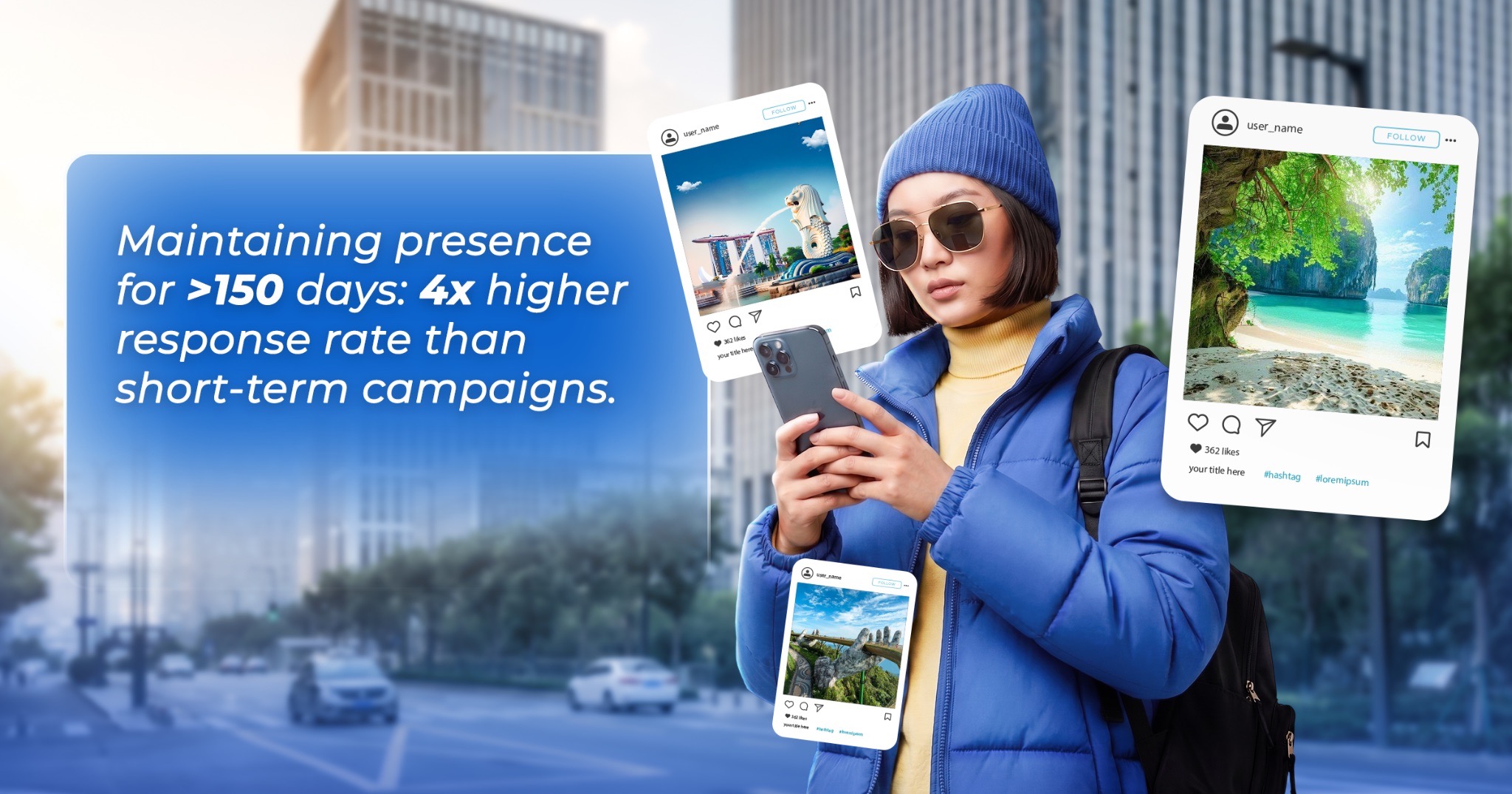
Rather than distributing content only through traditional channels, brands need to restructure their touchpoint ecosystem to align with current digital content consumption contexts. Being present on the right platforms and in the right formats enhances organic reach and sustains continuous engagement with young users. 

Banking & Finance brands should build an Always-on Content system on TikTok, Instagram, and YouTube using short videos, stories, challenges, or real-life financial scenarios to balance informational and entertainment value. At the same time, Social Listening should be applied to track trending financial topics, enabling content optimization based on actual Gen Z consumption behavior instead of maintaining long-form, low-engagement formats. 

Gen Z’s preferred content formats need to balance entertainment and information. 

(Source: Banking for GenZ) 

Trend 2: Show, Don’t Tell: Authenticity is Everything 

In an oversaturated media environment, brand messages are only persuasive when supported by concrete experiential evidence. Authenticity therefore becomes a foundational factor in transforming communication from brand claims into experiences that can be felt and verified. 

Brands can enhance transparency through real case studies, authentic user experiences, UGC, and influencer marketing aligned with Gen Z; while clearly demonstrating brand values and community-related activities throughout actual development processes. The combination of real experiences, tangible data, and user voices shifts messaging from brand statements to experiential proof, thereby increasing credibility and authenticity in the eyes of Gen Z. 

Gen Z trust is built on real experiences, real people, and brand values.

(Source: Banking for GenZ) 

Trend 3: Education, But Make It Fun 

Financial education needs to be redesigned in an experience-friendly manner rather than maintaining traditional knowledge-delivery structures. When content is simplified in presentation while maintaining accuracy, brands can bridge the gap between financial knowledge and practical comprehension. 

In practice, banks can integrate gamification within apps, develop personal finance quizzes, spending management simulators, or scenario-based content series on saving and micro-investing. At the same time, content should be designed to be both easy to understand and accurate, avoiding the oversimplification of important financial concepts. 

Gamification enhances memorability but must be balanced with knowledge accuracy.

(Source: Banking for GenZ) 

Trend 4: Meet Them on Mobile, Or Don’t Bother 

Mobile should be treated as the core experience platform rather than merely a supporting transaction channel. The quality of the app experience directly reflects the brand’s convenience, modernity, and competitiveness in financial services. 

Therefore, banks should prioritize UX/UI optimization, improve transaction processing speed, shorten user journeys, and minimize complex steps. Essential Gen Z-oriented features such as budgeting tools, fast transfers, P2P payments, and behavior-based personalized notifications should be integrated to transform mobile from a simple transaction tool into the center of the financial experience. 

Weaknesses in speed, interface, features, and convenience are decisive factors in retaining Gen Z on mobile apps.

(Source: Banking for GenZ) 

Trend 5: Personalization is Your Golden Ticket 

Personalization is no longer an added advantage but a standard in customer experience design. Leveraging behavioral data enables brands to shift from mass communication to context-based, individualized interaction. 

Strategically, brands can utilize Customer Data Platforms to unify data from multiple touchpoints such as apps, websites, and social channels; thereby analyzing service usage behavior, personalizing interactions, and automating messages, offers, and product recommendations tailored to each user segment and stage of the financial journey. 

The personalization process from data to tailored interaction and offers.

(Source: Banking for GenZ) 

Trend 6: Champion Social Causes 

Brand value is increasingly evaluated based on real societal impact rather than solely on functional product benefits. When social commitments are expressed consistently, the brand experience becomes more meaningful and capable of fostering long-term emotional resonance. 

Banks can implement consistent CSR strategies by embedding sustainability into products, services, and communication, while proactively highlighting community support initiatives, local investments, transparent reporting, and socially oriented programs. This helps Gen Z clearly perceive the brand’s role and real value within the broader social ecosystem. 

Gen Z expectations are closely linked to brand social responsibility and community impact.

(Source: Banking for GenZ) 

Trend 7: Influencers Who Get It  

Influencers are no longer just amplifiers of communication, but a critical component in building brand trust. When creators align with Gen Z in lifestyle and content expression, financial messages are received as more relatable, natural, and trustworthy. 

In execution, brands should build long-term influencer strategies rather than short-term campaign collaborations, prioritizing creators in personal finance, lifestyle, or financial education who resonate with Gen Z. Selection should be based on audience fit, content style, credibility, and influence, instead of focusing solely on reach or superficial metrics, thereby making financial messaging more relatable and trustworthy. 

Influencer evaluation matrix based on authenticity and audience relevance.

(Source: Banking for GenZ) 

Trend 8: Go Viral with Fun Challenges!  

Participatory con vfcChallenge-based activities not only drive organic reach on digital platforms but also enhance engagement and long-term brand recall. 

Banks can design interactive campaigns directly linked to real-life financial behaviors, such as savings challenges, weekly spending management challenges, or personal financial goal tracking, combined with clear participation mechanisms, transparent rewards, and progress tracking on digital platforms. This approach increases engagement while transforming users from passive receivers into active participants in the brand experience. 

Interactive campaigns drive participation and organic reach across digital platforms.

(Source: Banking for GenZ) 

Trend 9: Campus Connection: Team Up with Local Universities 

Universities are strategic touchpoints in shaping young users’ financial habits. Early presence at this stage helps brands build awareness, familiarity, and long-term engagement foundations from first financial experiences. 

Financial brands can proactively collaborate with universities through personal finance workshops, student account programs, financial mentoring, and partnerships with student clubs and campus events. Early engagement in academic environments enables brands to build trust, shape service usage habits, and sustain long-term relationships with users from the beginning of their financial journey. 

The journey of building Gen Z loyalty starts from the student stage.

(Source: Banking for GenZ) 

Trend 10: Meme-ify Your Message 

Communication language must be adapted to digital culture to enhance relevance among younger audiences. When financial messages are delivered in relatable, shareable, and culturally aligned formats, content becomes easier to understand and more likely to spread organically on digital platforms. 

In practice, brands can develop real-time content systems based on memes and relevant digital trends, while translating familiar financial situations into short, simple, and shareable content. When memes are directly linked to product features and real-life financial contexts, the message becomes not only entertaining but also more memorable and naturally accessible to Gen Z. 

Linking memes with financial content enhances Gen Z comprehension and engagement.

(Source: Banking for GenZ) 

These 10 directions show that Brand Experience is becoming the central focus in how Banking & Finance brands approach Gen Z, rather than relying solely on communication or short-term promotions. This creates the need to reassess brand experience strategy from a more long-term and sustainable perspective in the 2026 context. 

3. Expert Perspective: What Is the Sustainable Direction for Banking & Finance in 2026? 

From the insights and the 10 Brand Experience trends above, it is evident that Gen Z is redefining bank selection criteria toward real experience, personalization, and consistent brand values. This requires the Banking & Finance industry to shift from isolated communication efforts to building an end-to-end brand experience across the entire customer journey. 

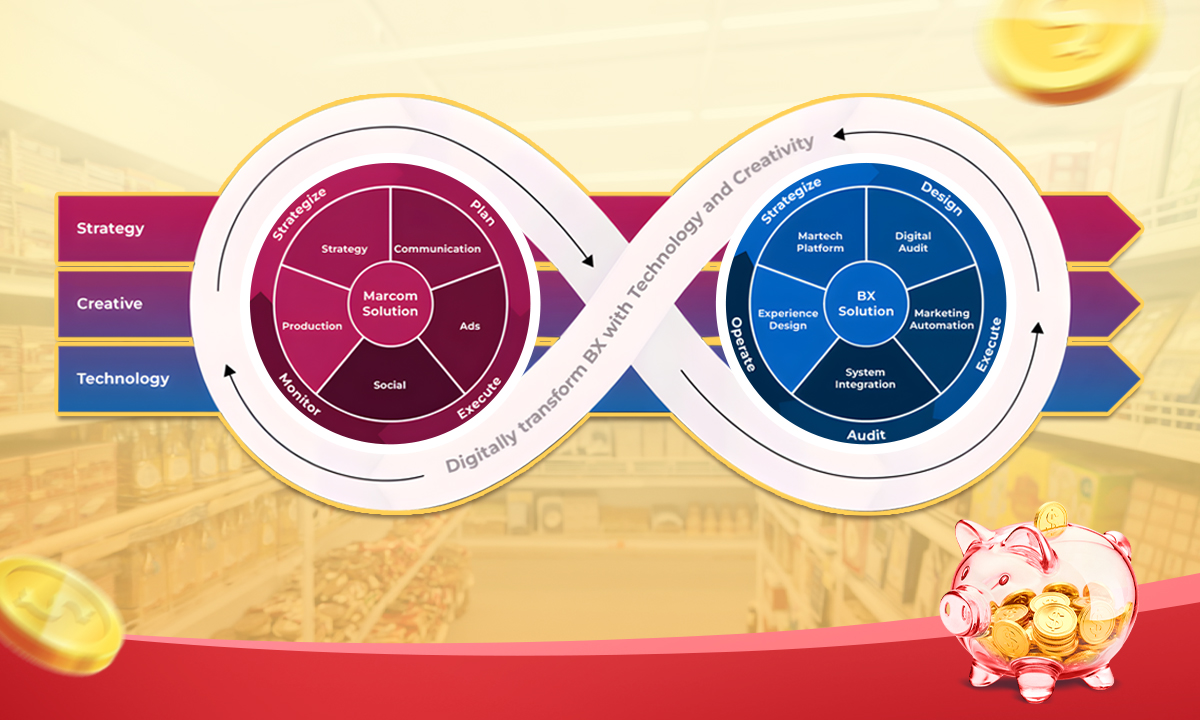
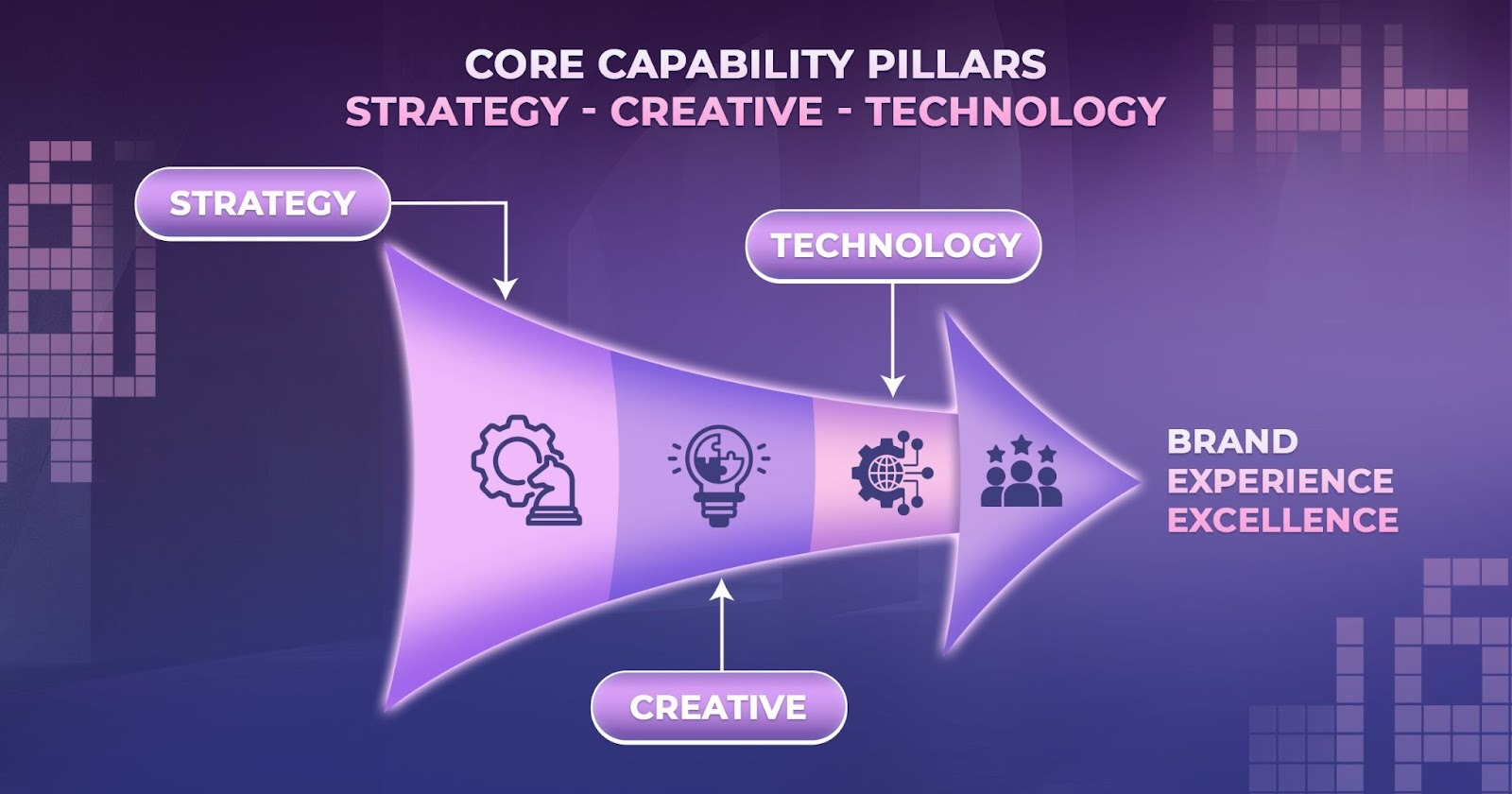
To operationalize this direction, at Novaon Digital, Brand Experience is implemented based on the SCT (Strategy – Creative – Technology) model, integrating strategic thinking, content creativity, and technological platforms into a unified brand experience system. This enables Banking & Finance brands not only to effectively engage Gen Z but also to build sustainable competitive advantages in the digital finance era. 

In the coming period, as digital financial behavior continues to evolve and competition increasingly revolves around experience rather than products alone, brands that master data, technology, and experience design tailored to Gen Z will gain long-term advantages. This is also the inevitable shift for the Banking & Finance industry to adapt to a generation of customers who are more proactive, informed, and demanding in their brand experience expectations. 

5 EFFECTIVE FINANCE – BANKING COMMUNICATION TRENDS IN EARLY 2026 

1. Financial and Banking market landscape in the first half of 2026 

In this era, the elevation of customer experience to the core of business competitiveness is not coincidental. Rather, it is the direct outcome of significant macroeconomic shifts, policy changes and geopolitical instability that are reshaping the financial ecosystem. Consequently, consumer behavior has evolved in response to these pressures, prompting banks to rethink and redesign brand experience strategies to remain adaptive and resilient. 

When policy, political and monetary factors move beyond simple economic metrics to become the fundamental variables in consumer behavior 

Amid ongoing global geopolitical and economic turbulence, Vietnam’s economy has undergone notable shifts that directly impact demand for financial and banking services. According to the latest report by the Banking Review, the transition from 2025 to 2026 has been shaped by three dominant factors: escalating tariff policies and geopolitical pressure from the United States, heightened geopolitical instability stretching from Eastern to Central Europe, and waves of monetary easing from major central banks worldwide. 

Against this backdrop, The Leader forecasts that global economic growth will slow to approximately 3.1-3.2%, accompanied by significant downside risks. For an open economy like Vietnam, global instability has created additional barriers, including exchange rate pressures, interest rate volatility, and credit constraints, alongside weakened domestic demand, particularly affecting the financial and banking sector. 

The rise of safe-haven behavior and gold consumption 

Facing financial uncertainty, consumers are increasingly shifting toward safe-haven assets such as gold and silver in response to escalating geopolitical tensions. According to Bao Dau Tu, this trend reflects not only preferences for secure and transparent saving vehicles but also desires to minimize risks while optimizing sustainable returns. Capitalizing on this momentum, the gold market experienced strong investment flow as it closed the first month of 2026 with an impressive 20% growth rate. Significantly, industry experts further project continued expansion in this lucrative market, driven by sustained demand. 

From interest rate competition to brand experience strategy 

As Vietnam navigates economic and political headwinds alongside shifting consumer behavior, financial institutions must rethink how they engage and deliver services to customers, thus ensuring safety, transparency, and long-term value. 

The challenge can no longer be addressed solely through attractive interest rates or short-term incentives. Instead, it lies in cultivating enduring brand relationships built on meaningful experiences, particularly in today’s digital era. By elevating brand experience, financial institutions can implement breakthrough marketing and communication strategies that rebuild trust, retain customers, and regain competitive advantage. 

2. Communication trends in financial and banking sector in early 2026 

In the face of macroeconomic volatility and evolving consumer behavior, banks are facing a critical challenge of how to enhance brand experience and build lasting confidence. Moreover, in an era where rates and benefits are no longer the sole differentiators, the competitive advantage now lies in how brands orchestrate customer journeys, personalize engagement and cultivate sustainable value across every touchpoint. 
Thus, below are 5 key communication trends that have effectively shaped the financial and banking sector in early 2026. 

Trend 1: AI-driven Brandformance – Personalization Balance 

In today’s growth environment, business performance and profitability in financial services are no longer driven solely by metrics such as conversion rates or active accounts. More fundamentally, they are shaped by the brand experience delivered to customers. This experience-led advantage is what enables sustainable performance and brand building in parallel, also referred to as brandformance. 

To deliver on this dual objective, AI is no longer a trend but the operating layer that powers experience optimization while safeguarding commercial efficiency. According to PwC, banks leveraging AI can improve productivity in dynamic cash-flow management and consumer behavior prediction by up to 15%. In addition, AI-integrated marketing solutions have been shown to increase brand engagement by 40%. 

In practice, brandformance is realized through categories such as AI-powered personalization, where content and services adapt to users’ financial behaviors; predictive and contextual messaging, which replaces mass communication with timely, relevant touchpoints; and dynamic creative optimization (DCO), enabling brands to reach customers with the right message at the right moment. Together, these capabilities elevate personalization from a tactic to an outcome, where strategy, creativity, and technology converge to deliver real-time, high-impact experiences that outperform short-term, campaign-led approaches. 

Trend 2: Experience-led Omnichannel and Conversational Engagement 

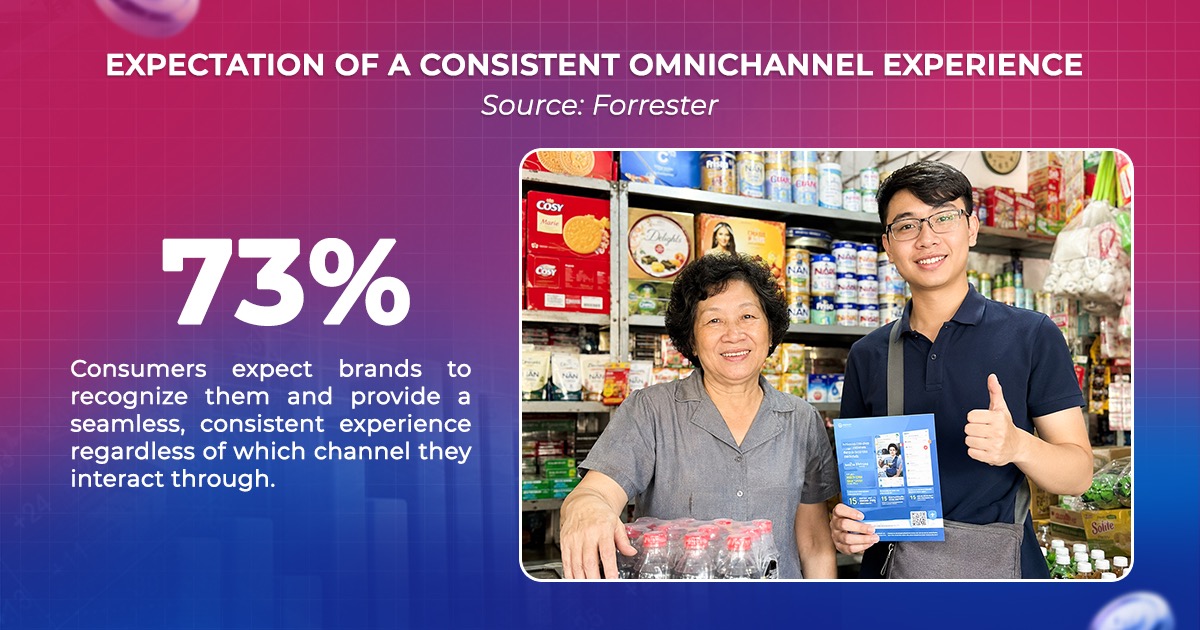
In a digital-first reality, customer journeys unfold simultaneously across social platforms, media, livestreaming, and banking apps. As a result, siloed, channel-by-channel execution is no longer effective. The market is shifting toward omnichannel marketing, where experiences are orchestrated end-to-end. McKinsey reports that brands implementing seamless omnichannel experiences have achieved 25-30% higher customer satisfaction. 

Insights from Insider One further reflect strong consumer demand for integrated omnichannel experience that directly impacts trust in financial brands. In this context, seamless omnichannel delivery is no longer optional but a baseline requirement for engagement and loyalty in today’s digital competition. 

Beyond omnichannel journey orchestration, financial services are accelerating toward conversational marketing, thus activating two-way engagement via AI chatbots and live chat to resolve queries in real time. Interactive content and online-to-offline (O2O) integration ensure digital interactions translate seamlessly into in-branch experiences. Also, as one-way communication becomes less effective for complex financial products, brand experience must be designed as a connected interaction system, which is strongly aligned in tone, messaging, and decision support across every customer touchpoint. 
Trend 3: The Creative Technology Nexus 

Immersive technologies are redefining how financial brands deliver experiences. Instead of relying on technical explanations, services are now communicated through interaction, simulation, and visual formats, thus helping users clearly understand how offerings work and the real-world value they create. 

According to the American Bankers Association, 73% of banks have successfully integrated modern MarTech into their marketing strategies. Alongside AI and Big Data, Customer Data Platforms (CDPs) are increasingly deployed to enable seamless experiences. Interactive technologies, namely AI chatbots, AR/VR, and gamification are reshaping engagement models, optimizing conversion while creating distinctive, brand-led digital touchpoints. 

Creativity and technology are the dual levers of effective brand experience. When grounded in strategy and activated through innovative creativity and modern technology, financial brands can strengthen memorability, shorten consideration cycles, and build trust, which emerges as an essential currency in a high-risk category like financial and banking services. 

Trend 4: Authentic Storytelling and Transparency 

In financial services, trust is no longer built by claims alone. Rather, it emerges from experiences customers can feel and verify. Storytelling, therefore, plays a central role, not just in communicating benefits, but in aligning trust-building strategy with creative execution to create durable brand value. 

As market volatility intensifies, storytelling must move beyond generic symbolism to reflect real-life financial contexts and everyday usage. This shift makes narratives more credible and persuasive. Effective formats include Brand Storytelling (authentic narratives around mission and journey) and Digital Storytelling (video, podcasts, and digital content that simplify complex financial topics into accessible experiences). These approaches build emotional connections while supporting informed decision-making. 

Ultimately, brand experience only delivers impact when stories are told with transparency and consistency, which accurately reflect how services show up in customers’ lives. When experience aligns with message, trust compounds naturally, sustaining long-term relationships in a category where credibility is paramount. 

Trend 5: Community and Human-led Brand Experience 

Alongside strategic and creative thinking in storytelling and the application of technology to optimize brand experience, communities and real human experiences play a pivotal role in building trust, with long-term influence on consumer decision-making. Moreover, communities and customer experiences, specifically employees, loyal customers, and relevant communities are actively restoring the trust that has gradually faded in traditional advertising. They are no longer merely communication targets within influencer marketing campaigns, instead, they have become an integral part of brand experience. 

According to a McKinsey survey, brands that adopt community-experience-led marketing strategies can increase customer satisfaction by more than 20%, while simultaneously strengthening financial competitiveness and profitability. Therefore, the implementation of influencer marketing should no longer be driven solely by an influencer’s reach. More importantly, the influencer must be aligned with the brand’s image, narrative, and core values. 

This trend elevates the impact of Community-driven Content and Peer-to-peer influence strategies, enabling customers to become influential actors shaping the financial behaviors and decisions of new consumers. In parallel with maximizing the influence of consumers, Expert-led influence initiatives also help brands reinforce credibility and thought leadership, enabling customers to feel more confident in their financial decisions. Notably, Employee Advocacy, where employees directly deliver long-term value to customers, can help brands strengthen positioning through authentic sharing and real experiences from internal teams. 

Only when brand experience is disseminated through people and real experiences can financial and banking brands build long-term relationships grounded in empathy and shared value. This approach not only enables brands to sustain durable presence and credibly demonstrate service quality but also reduces reliance on short-term communication tactics, thereby strengthening competitive advantages and long-term brand positioning in the market. 

3. Case Study 

Amid economic and geopolitical volatility and increasingly cautious consumer sentiment, the five communication trends outlined above are not passing trends but strategic axes shaping the brand experience race in the financial and banking industry in 2026. Moreover, these trends have already been successfully applied in practice through the representative case studies below. 

Case study 1: VIB – Credit Card Activation via Max App powered by Onfluencer and Employee Advocacy Marketing 

As a retail bank positioned at the forefront of innovation, in 2025, VIB launched the “Đại sứ thẻ tín dụng VIB” campaign with the objective of increasing credit card registrations via Max App, while reinforcing the platform’s positioning as a fast, secure, and experience-optimized online card issuance channel. To effectively execute this campaign, VIB combined automated Influencer Marketing solutions with the Onfluencer Employee Advocacy model, integrating external influence and internal resources to disseminate credit card usage experiences in a relatable and authentic manner to consumers.

The campaign targeted customer segments ranging from Gen Z to Millennials, segmented based on different behaviors and card usage experiences. Through the Onfluencer system and Employee Advocacy strategy, VIB personalized messaging and incentive mechanisms for each customer group, thereby strongly stimulating card registration behavior and Max App usage. 

In terms of performance, the campaign enabled VIB to measure results in real time, optimize content based on consumer behavior, and build a transparent reporting system to support subsequent marketing decision-making. At the same time, public recognition and reward mechanisms helped enhance and optimize user experience, increase motivation for service referrals, and directly contribute to growth in credit card users and the bank’s revenue from fees and interest 

Case study 2: Westpac Banking Corporation (Australia) – Enhancing consumer experience through advanced AR technology to visualize personal financial data and elevate brand satisfaction 

Facing the challenge of increasing engagement amid the rise of mobile banking as the primary transaction channel, Westpac leveraged AR technology as a catalyst to enhance brand experience quality, thereby upgrading and optimizing how users interact with personal financial data. Westpac transformed seemingly dry numerical tables, cash flows, and spending data into 3D visualizations to increase interaction, enabling users to grasp and manage their financial picture in a more vivid and intuitive way. 

The strategy focused on Gen Z and Millennial customers who are tech-savvy and regard mobile banking as their primary consumption channel yet still expect more interactive and visually engaging digital experiences. Accordingly, the integration of AR technology removed barriers to accessing complex financial data, thereby increasing app usage time, interaction frequency, and user attachment to the bank’s modern service ecosystem. 

The outcomes of this strategy reflected a clear increase in user satisfaction and in-app engagement, while reinforcing the brand’s innovative image within the rapidly digitalizing financial and banking landscape. In addition, this solution successfully strengthened Westpac’s positioning not only as one of Australia’s most long-established and reputable banks, but also as a pioneer in experience-driven banking technology. 

4. Novaon Digital’s Expert Perspectives 

Against the backdrop of market trends and shifts in consumer behavior, competitive advantage in the financial and banking industry in 2026 no longer lies in interest rate figures or short-term promotions, but in the capability to build and reinforce consumer trust over the long term. As capital flows increasingly gravitate toward safe-haven channels, financial and banking brands can no longer compete solely on financial incentives. Instead, comprehensive brand experience becomes the strategic pillar for sustaining long-term growth, as trust emerges as the decisive factor shaping consumers’ service choices. 

To operationalize sustainable brand advantages and effectively apply these communication trends, brand experience must be implemented and designed as an integrated ecosystem combining Strategy – Creative – Technology. Strategy provides direction by defining the right consumer insights and the role of experience across the customer journey. More specifically, creativity transforms complex and rigid financial messages into relatable and accessible experiences, while technology drives personalization, omnichannel connectivity, and real-time interaction optimization. This integrated approach not only enables banks to adapt flexibly to market volatility but also creates seamless experiences that reduce perceived risk and progressively strengthen long-term brand trust in the digital era. 

Tết 2026 Brand Experience Strategy: Four Growth Directions for the FMCG Industry

Part 1: The FMCG landscape for Tết 2026 when growth remains but the challenge has changed

Tết remains a familiar peak season, but the context no longer repeats itself: 

For many years, Lunar New Year has played a decisive role in the growth of the FMCG industry. Data from NielsenIQ shows that Tết consistently records the highest shopping index of the year, outperforming other seasonal occasions such as Mid-Autumn Festival, Vu Lan, or Christmas. Beyond its cultural significance, Tết is also a period when consumers increase spending on food, beverages, household care products, and gift items.

Tết is the season contributing the largest share to FMCG growth in Vietnam.

(Source: NielsenIQ) 

However, while the importance of Tết remains unchanged, the social and economic context shaping consumer behavior differs each year. As a result, Tết is no longer a formula that can be repeatedly applied, but a challenge that must be reassessed in each cycle.

The FMCG market enters Tết 2026 with mixed signals:  

Heading into Tết 2026, the FMCG market shows both positive and cautious signals. NielsenIQ data indicates that in recent Tết seasons, FMCG demand has remained stable with double-digit growth compared to pre-Tết periods. Tết revenue contributes approximately 19 to 20 percent of annual FMCG sales, reaffirming the critical role of this season.

FMCG revenue during Tết remains stable over the years, but growth momentum is no longer expanding strongly.

(Source: NielsenIQ) 

At the same time, consumers enter the Tết season with a more cautious mindset. Pressure from living costs, income constraints, and broader economic uncertainty has made shopping behavior more selective and calculated. The market is not pessimistic, but it no longer generates the strong growth momentum seen in earlier periods.

Tết 2026 is no longer a scale-driven race by inertia

In this context, Tết growth no longer comes from simply expanding scale or repeating familiar tactics. Tết budgets are still being maintained, but pressure around return on investment and real impact on purchase decisions is increasing.

This forces FMCG brands to rethink their approach, shifting from a coverage-driven mindset to a more selective one, focused on creating experiences aligned with consumers’ evolving priorities. Tết 2026 therefore raises a fundamental strategic question: what are consumers truly looking for from brands during a more considered Tết season?

Part 2: What are Tết 2026 consumers looking for from brands? 

Entering Tết 2026, purchase decisions are no longer driven by impulse or deep promotions, but by a more deliberate evaluation process. Three key needs are shaping how consumers choose brands during the Tết period.

Reassurance, safety, and verifiability: 

Growing concerns around counterfeit goods, product quality, and safety have made consumers more cautious during Tết. This is especially evident for household products and gift items, where reassurance influences not only the purchase decision but also the buyer’s sense of responsibility and personal image.

Food safety and health are becoming top consumer concerns. 

(Source: Worldpanel by Numerator) 

Meanwhile, many FMCG brands still communicate quality through one-way claims, lacking concrete proof or experiential elements that allow consumers to verify for themselves. As a result, trust is difficult to sustain across touchpoints from communication to point of sale. Rather than simply claiming quality, brands need to enable consumers to experience and validate reassurance from the very first interaction.

Emotional value and the meaning behind Tết choices

Alongside reassurance, Tết consumers do not view shopping as a purely functional act, but as part of preserving and expressing family values. Each choice carries expectations of care, thoughtfulness, and meaning in moments of reunion or gifting.

However, much Tết communication still falls into emotional clichés, disconnected from real-life contexts. While messages may evoke festive sentiment, they often fail to clarify the product’s role in Tết routines, making it difficult for emotion to translate into choice. To build genuine connection, brands need to anchor products in concrete usage situations that feel close enough for consumers to see themselves within.

Balancing spending and quality: 

Tết 2026 consumers remain willing to spend, but purchase decisions are not based on the lowest price. Instead, they seek a sense of making a reasonable choice that justifies the money spent and fits specific Tết usage purposes. 

Heavy promotion can drive short-term sales, but it can also erode perceived value. Many brands fail to clearly explain why a price point is reasonable or which Tết context a product best fits. Rather than focusing solely on discounts, brands need to communicate value relative to price and design pricing structures and bundles tailored to distinct Tết needs.

Three Tết 2026 consumer insights indicate that Brand Experience must be designed holistically and selectively.

(Source: Novaon Digital)

These insights show that Tết 2026 consumers no longer make decisions based on immediate emotion or high promotions, but prioritize reassurance, meaning, and a sense of making a reasonable choice. This sets a new requirement for FMCG brands: instead of deploying fragmented communication or promotions, brands need to build a comprehensive Brand Experience that is flexible enough to respond to shifting consumer psychology.

Part 3: Four brand experience directions to enhance FMCG growth potential for Tết 2026

As Tết 2026 consumers prioritize reassurance, meaning, and reasonable choices, Brand Experience can no longer be a collection of isolated activities. It must be designed as an integrated experience system. The following four directions reflect how FMCG brands can adapt to this new context.

Direction 1: Adaptive Consumer Response

Tết shopping behavior no longer follows a fixed trajectory from pre-Tết buildup to peak days. Consumers continuously adjust decisions based on income, economic conditions, spending priorities, and personal circumstances. This requires Brand Experience to function as a system capable of observation, response, and adjustment, rather than adhering rigidly to a pre-defined seasonal script.

In practice, brands need to implement this direction by integrating strategy, creative thinking, and technology to respond flexibly to Tết shopping behavior. Campaigns should be structured in phases aligned with the consumer decision journey, from preparation and consideration to purchase moments. Behavioral data from digital platforms should be continuously monitored to allow timely adjustments in messaging, content, and touchpoints, while optimizing commercial elements such as promotions and product bundles based on real market dynamics. This enables brands to maintain presence throughout the Tết season while appearing precisely when consumers are ready to choose.

The integration of strategy, creative thinking, and technology in building Brand Experience.

(Source: Novaon Digital)

Direction 2: Verified Trust and Authenticity 

As concerns about counterfeits, food safety, and product quality increase, trust no longer comes from how strongly brands claim excellence. Consumers seek reassurance grounded in tangible evidence and the ability to verify for themselves.

Brands can adopt this approach by integrating PR and Influencer Marketing around real-life experiences. Instead of one-way quality claims, products should be placed in everyday usage contexts through credible content creators. Influencer selection should not rely solely on reach, but on alignment in image, lifestyle, and trust-building capacity with target audiences. At the same time, influencer evaluation, selection, and management need to be conducted systematically to ensure consistency between quality narratives, real experiences, and brand positioning.

Custas brand collaborating with Novaon Digital to activate Influencer Marketing based on real experiences.

(Source: Novaon Digital)

Direction 3: Meaningful Value Communication

When the Tết market is saturated with promotions, consumers are no longer persuaded by high discount rates alone. They need clarity on what value a product delivers during Tết, who it is for, when it is used, and why it is a reasonable choice. Value lies not in promotional numbers, but in the product’s specific role in Tết life.

Under this direction, brands should build content strategies centered on usage roles. Content should directly address consumer questions, from household use and gifting to stockpiling. Instead of generic symbolic Tết stories, content is placed in familiar life situations, making it easier for consumers to visualize product value in their own context. When value is communicated clearly and consistently across touchpoints, brands provide a compelling reason to be chosen, even without heavy promotions.

High-quality Tết content generates genuine interest and real connection with consumers.

(Source: Novaon Digital)

Direction 4: Empathetic Price-Quality Balance

Tết 2026 consumers are not searching for the cheapest option, but for choices that feel reasonable and reassuring. Purchase decisions are made when the price feels proportional to the value received and appropriate for specific purposes, whether for family use, gifting, or festive stockpiling.

From an execution perspective, Brand Experience should be designed around concrete Tết shopping contexts. By integrating strategy, creative thinking, and technology, consumer behavior and needs can be analyzed by usage purpose, enabling tailored pricing structures, product bundles, and messaging for each context. In parallel, Influencer Marketing plays a reinforcing role by validating purchase decisions through real experiences, explaining why a certain price was chosen, for which occasion, and how the value is perceived. This approach helps consumers feel that their choice is thoughtful and trustworthy, rather than driven by short-term incentives.

Part 4: Expert Perspective

From the market landscape and behavioral insights, it is clear that Tết 2026 is no longer a race of scale or reach, but a challenge of building trust and enabling reasonable choices in a more considered consumer environment. While Tết remains a priority spending season, purchase decisions are increasingly based on reassurance, real value received, and perceived credibility, rather than reactions to short-term messages or promotions. This positions Brand Experience as the central factor, requiring brands to ensure consistency across messaging, products, pricing, and engagement approaches in order to earn consumer trust and selection during Tết.

At Novaon Digital, Brand Experience is implemented as an integrated system based on the SCT – Strategy, Creative and Technology operating in parallel. This approach enables FMCG brands not only to adapt flexibly to the Tết 2026 context, but also to build trustworthy experiences and long-term value that extend beyond a single seasonal peak.

Automotive Brand Experience strategy for 2026: Breakthrough performance & cost savings

  1. The Automotive Industry in 2026: Growth Pressure in a New Context

The year 2026 marks a critical turning point for the Automotive industry, where the question is no longer “should we do Digital,” but “how to generate real business efficiency with the most optimal budget.” After more than two decades accompanying top automotive brands, I clearly perceive the pressure CMOs and CEOs are facing: industry-wide digital ad spend is projected to hit $21.2 billion (an 11.1% increase year-over-year), while CPC and CPM are escalating across most platforms. Competitive advantage no longer belongs to “who spends more,” but lies in the ability to create real ROI.

More notably, car-buying behavior has completely shifted to the digital environment. Up to 78-82% of car buyers conduct online research before visiting a dealership, and many have already identified 2-3 preferred models before meeting a sales representative. Digital is not just a few advertising campaigns; it has become an ecosystem of touchpoints shaping perception and purchase decisions. According to the Automotive Omnichannel Marketing report, the cost to sell a car via digital marketing is only about $150, whereas traditional marketing consumes an average of $1,581 – a difference of over 10 times.

Impact of online platforms on car buyer behavior. 

Source: Novaon Digital

All these factors have posed a major challenge for Automotive Marketers in 2026 to breakthrough performance and effectively minimize media costs. The most suitable Digital Marketing strategies for the Automotive industry will be revealed in the following section.

  1. The Most Effective Digital Marketing Strategies for the Automotive Industry in 2026

Strategy 1: Combining Lead Management and Nurturing Solutions (OnLead) In the Automotive industry, every lead is expensive, and their readiness to buy varies significantly. “Having leads” does not equate to “having sales opportunities.” The core problem lies in how the brand manages, classifies, and nurtures these leads throughout the customer’s decision-making journey. To solve this, brands need to combine lead management and nurturing solutions rhythmically:

  • Collect leads from websites, search ads, social media, and content platforms.
  • Use OnLead to filter, score, and classify leads based on interest levels.
  • Push quality leads to the CRM while using behavioral data to re-optimize media. The value delivered is not just reducing the cost per quality lead but also shortening the car-buying journey and improving the efficiency of the sales team.

Summary of effective Digital Marketing strategies for the Automotive industry. 

Source: Novaon Digital

Strategy 2: TikTok Growth – Building a Long-term Content Channel Currently, TikTok has become a crucial touchpoint for young customers and those intending to buy cars in the future. However, this platform only becomes effective when brands view it as a long-term content-building channel, rather than just exploiting TikTok as a short-term sales channel. For TikTok to truly become a long-term growth channel, brands need to focus on three core principles:

  • Develop content that is entertaining, lifestyle-oriented, and shares experiences, instead of direct advertising.
  • Combine with KOLs/KOCs to create natural and relatable spread.
  • Maintain a consistent posting rhythm to form a stable follower community. This strategy helps brands increase awareness at a lower cost compared to traditional advertising while creating a long-term foundation for growth.

Strategy 3: Brandformance – Combining Branding and Sales Efficiency Performance marketing can generate leads quickly, but without a solid brand foundation, efficiency is difficult to maintain sustainably in the long run. The Brandformance philosophy was born to balance short-term goals with long-term brand value, combining the strengths of both brand building and sales performance. For Brandformance to truly create business efficiency, the strategy needs to be implemented consistently according to three principles:

  • Synchronize the brand message across the entire digital ecosystem.
  • Integrate brand content into touchpoints capable of conversion.
  • Measure efficiency using both brand metrics and real actions like registrations, inboxes, and test drives. The result is that businesses both optimize sales performance and accumulate sustainable brand value.
  1. Automotive Industry Case Studies from Novaon Digital

The following three case studies demonstrate how Novaon Digital’s SCT model helps brands breakthrough performance and optimize costs despite market volatility. By combining lead management, trust-building livestreams, and data control, Digital Marketing becomes a lever for sustainable growth for the Automotive industry.

Case Study 1: Peugeot – Growth Turnaround thanks to Digital Experience Optimization & Data Governance 

In a period of declining automotive market and intense competition in the European segment, Peugeot faced pressure to quickly recover sales and market share. The automaker had an advantage in a rich SUV product portfolio, but to turn that advantage into real business results, Digital Marketing activities needed to lead the entire customer journey – instead of just stopping at creating brand coverage.

Peugeot applied the Brandformance solution in the “When the white lion adapted to thrive” campaign. 

Source: Novaon Digital 

To solve this problem, Peugeot implemented a solution deeply integrated between technology, creativity, and data. The firm applied AI to analyze and determine which creative elements, messages, and product features delivered the highest performance in promotional activities. Simultaneously, the Sales – CRM system was upgraded to tightly connect customers’ online behavioral data with the sales team.

Results Achieved: The campaign helped Peugeot breakthrough in sales and establish a leading position in the European car segment in Vietnam. The combination of data and AI optimized lead conversion rates while significantly expanding market share and affirming brand power on the digital platform.

Case Study 2: OMODA & JAECOO (Note: Content describes Toyota) – Brand Launch via Livestream & Omnichannel Performance 

In 2023, Toyota, together with Novaon Digital, conquered the Gen Z and Millennials customer base on TikTok by completely changing the traditional advertising mindset. Instead of rigid sales videos, the brand focused on producing short, trendy, highly entertaining content revolving around real experiences like family travel or car usage tips. This approach helped Toyota eliminate the “offensive” prejudice and cleverly be present in the minds of future customers in the most natural way. 

By combining Hashtag Challenges, KOLs/KOCs, and behavioral data optimization (Performance Marketing), the campaign created an explosion in interaction with videos reaching up to 6 million views. Impressive results with over 245,000 followers not only helped Toyota strongly increase brand awareness but also built a youthful customer community, creating a solid foundation for long-term business strategy.

Toyota applied the TikTok Growth solution in the “TikTok Growth” campaign.

 Source: Novaon Digital

Results Achieved: The campaign reaped resounding success with strong spread on the TikTok platform right from the launch phase. Creative content not only attracted huge interaction volumes with many videos achieving sudden growth but also maintained stable potential customer prospecting performance with optimal costs for the launch phase. This result helped Toyota reinforce its brand position in the hearts of young people and build a sustainable community of potential customers for the future.

Case Study 3: GAC Motor – Building Trust and Increasing Efficiency through End-to-End Data Management 

GAC Motor is positioned in the premium segment, meaning the firm needs a Digital strategy specifically focused on trustworthiness and customer experience. Furthermore, the brand’s origin from China makes strict control of the entire customer journey – from lead collection to after-sales care – a vital factor to avoid budget waste and protect brand image.

GAC Motor applied the Onlead solution in the “Where craft meets technology” campaign. Source: Novaon Digital 

To solve this challenge, GAC Motor implemented a solution directed towards comprehensive datafication. The entire process of collecting, classifying, and distributing leads was maximally automated, helping to minimize errors and limit reliance on manual operations.

Results Achieved:

  • Significantly reduced errors and manual processing time.
  • Increased response speed to potential customers.
  • Optimized investment costs by focusing on high-value leads.

Expert Opinion

In 2026, the optimal Digital Marketing strategy for the Automotive industry does not lie in budget racing or blindly expanding channels. Instead, it requires a focus on comprehensive restructuring based on data, real experiences, and actual car-buying behavior. Digital Marketing only truly creates value when it acts as a direct business lever, helping to accurately approach the target customer group and eliminate waste in the lead generation process. Understanding this reality, Novaon Digital affirms its position as a strategic partner with a comprehensive solution ecosystem based on the trinity of capabilities: Strategy – Creative – Technology. We focus on automating and personalizing communication, helping brands tell legacy stories through messages “tailored” precisely for each individual. This combination ensures the brand hits the right insight and is fully present in the customer’s mind, creating a sustainable competitive advantage on the Automotive 2026 track.

3 case-study ngành Automotive ấn tượng của Novaon Digital

​​​​​​

From virality to trust: How authentic content is redefining influencer marketing

1. When creative content becomes homogenous, authenticity becomes the missing value

In recent years, influencer marketing has become a priority channel for many brands. According to Statista, influencer advertising spending in Vietnam increased from USD 7.8 million in 2017 to approximately USD 87 million in 2024, and is projected to continue growing rapidly, reaching nearly USD 160 million by 2030. As budgets and investments rise, more creators are involved in campaigns, enabling brands to achieve denser visibility across digital platforms. However, this rapid expansion has also led to a noticeable reality: content from different creators often starts to feel similar in both execution and messaging.

Influencer Marketing has become a core investment channel for many brands in Vietnam.

(Source: Statista)

The causes of this overlap stem from multiple factors, including how brands approach influencer marketing. Insufficiently selective creator recruitment, rigid scripting, and large-scale deployment across multiple faces often push content toward a safe and familiar zone. When creators’ individuality, real-life experiences, and natural storytelling are not prioritized, authenticity gradually fades from the content.

2. Three ways brands can unlock authentic content from creators

As creator content increasingly feels repetitive, brands need to rethink their approach to preserve creators’ individuality and long-term value. Below are several ways brands can more effectively unlock authentic content from creators.

When content becomes ubiquitous, creators’ personalities and lived experiences are what keep audiences engaged.

(Source: Novaon Digital)

Select the right creators from the start

Authentic content can only be built when brands partner with the right creators. Reviewing content profiles, presentation styles, and how creators interact with their audiences helps brands understand what each creator truly represents. In addition, feedback and sentiment from the creator’s community provide important signals of credibility and trust, serving as a key reference before incorporating them into a communication strategy.

Give creators space to express their individuality

Rather than applying detailed scripts for every frame or line, brands need to clearly define the creator’s role from the outset. Creators are not merely message carriers, but storytellers in their own voice. In practice, this can start by allowing creators to choose familiar settings, adapt content flow to their personal style, or adjust messaging into the language their community naturally resonates with. When the creative process aligns with the creator’s habitual rhythm and style, the content more clearly reflects personal identity and minimizes the sense of brand orchestration.

Co-create content based on real experiences

Authenticity does not come from brands speaking on behalf of creators, but from collaboratively building stories grounded in real experiences. Brands provide strategic direction and communication objectives, while giving creators the time and space to engage with, use, and experience the product in their own way. When creators are able to form genuine personal perspectives, the resulting content reflects lived experience rather than simply repeating predefined messages. This collaboration allows brand stories to be told in a language familiar to creators’ communities, making the content feel more natural and trustworthy to audiences.

3. Featured case studies: How authentic creator content is leveraged effectively

Case study 1: Bibica – Connecting with young audiences through the “in-between hunger” experience

In Vietnam, TikTok has entered a phase of rapid growth, becoming a communication platform deeply embedded in the fast-paced lifestyles of young people, where entertainment, music, and personality-driven challenges dominate. Within this context, Hura Swissroll, the bestselling cream roll line from Bibica, faced a common challenge for long-established FMCG brands: how to reach younger audiences on emerging platforms without making content feel forced or disconnected from their language. The brand’s “anti-hunger” message clearly communicated product functionality, but if delivered too directly, it risked being overlooked amid TikTok’s constant stream of entertainment content.

Novaon Digital implemented the campaign through KOLs and KOCs who naturally create content rooted in young people’s everyday lives on TikTok. An original track composed by Chi Xê served as the creative foundation for the entire campaign. Instead of requiring creators to follow a fixed template, each KOL and KOC was encouraged to remix the melody, choreography, and setting according to their personal daily routines, from late-night studying and stressful work moments to familiar “in-between hunger” situations. This creative freedom preserved each creator’s individuality while seamlessly embedding the “anti-hunger” message into real-life narratives, rather than presenting it as an overt advertising claim.

Novaon Digital and Bibica brought the “in-between hunger” experience to life through young creators’ perspectives.

(Source: Novaon Digital)

The campaign generated approximately 3.5 million engagements from influencer dance cover videos, 1.6 million engagements from the TikTok Challenge, over 300 participating creators, and more than 12 million discussions on TikTok. Hura became part of young people’s everyday stories, rather than appearing solely as an advertising message.

Case study 2: Custas Cốm – Standing out of the content race through cultural storytelling

As Vietnam’s FMCG confectionery market becomes increasingly competitive, brands continuously launch new products, particularly those drawing on traditional flavors. As a result, industry communication has gradually become homogenized, revolving around familiar formulas of taste and product benefits. For Custas Cốm, the challenge was how to tell a story about cốm in an authentic way that builds emotional connection, instead of blending into similar content or appearing to exploit cultural elements for advertising purposes.

Novaon Digital selected family creators with Hanoi roots for this campaign, most notably the Cam Cam Family, whose everyday lives and stories are closely tied to family rhythms and Hanoi’s cultural memory. Rather than reenacting a pre-written narrative about cốm, creators were encouraged to share familiar moments from their own family lives, from daily meals and conversations to autumn memories associated with the aroma of cốm. Custas Cốm appeared naturally within this flow, seen through the storyteller’s real experiences, allowing the content to retain creator individuality while avoiding one-dimensional cultural exploitation from the brand side.

Novaon Digital partnered with Custas Cốm to tell cultural stories through creators’ perspectives.

(Source: Novaon Digital)

The campaign generated over 30,000 engagements on Facebook, with 60 percent positive comments and 100 percent of content originating from influencers and the community. On the brand’s social channels, 10 posts achieved more than 22,000 engagements, an increase of approximately 9.8 percent compared to the previous period, helping Custas Cốm build a brand image closely associated with cultural values and family experiences.

4. Expert Insights

From market context and the above case studies, it is clear that authenticity does not lie in creators sounding less like AI or simply reducing overt advertising. Rather, it comes from allowing creators to show up as who they truly are, through their personalities, experiences, and natural storytelling styles. When brands apply identical scripts across multiple creators or select faces that are not genuinely aligned, content quickly becomes repetitive and struggles to connect with audiences.

To unlock creators’ true value, brands need to shift from a control-driven mindset to one of partnership. This requires a deep understanding of who the creator is, which community they speak to, and what differentiates their storytelling. When the right creators are chosen and given space to express their individuality, brand content becomes more natural, more engaging, and ultimately builds stronger, more sustainable trust with audiences.

At Novaon Digital, influencer content is approached as an integral part of a holistic Brand Experience strategy, based on the SCT model, the intersection of Strategy, Creative, and Technology. Through the Onfluencer platform, Novaon supports brands in systematically selecting, managing, and activating creators, from fit evaluation to execution and performance measurement. This approach has been successfully applied across multiple major brands, including Bibica – Hura and Custas Cốm, helping influencer marketing campaigns fully leverage creator individuality and deliver long-term brand value.

Top 3 Digital Ads Platform Updates in 2026

AI is Fundamentally Transforming Advertising Operations

The detailed manual targeting formulas you once relied on are rapidly becoming a thing of the past. Reports indicate that major platforms have simultaneously removed or strictly restricted manual targeting capabilities. In their place are automated AI systems that analyze tens of thousands of signals to identify potential customers. Meta has completely phased out exclusion targeting based on gender, age, and zip code, while Google is doubling down on Performance Maxwith comprehensive auto-optimization capabilities.

The Impact of AI on Meta Platform Advertising 

Source: Novaon Digital

Data shows that this shift is not a passing trend but evidence of superior efficiency. Campaigns utilizing broad targeting combined with AI have recorded significant ROAS (Return on Ad Spend) improvements compared to traditional methods, with event-matching capabilities improving by over 40%. Crucially, these campaigns exit the “learning phase” faster, helping marketers save time and budget during the initial stages.

Furthermore, AI is now moving beyond ad distribution into direct content creation. The report reveals how platforms use AI to automatically generate videos, adjust messaging, and personalize creatives for individual viewers. Meta AI can now automatically generate backgrounds, expand images, add music to visuals, and animate static images. Meanwhile, TikTok’s Symphony Creative Studio enables the creation of multi-language videos and the integration of products from Shopify or TikTok Shop in just minutes.

First-Party Data Becomes the Ultimate Asset

The demise of third-party cookies is not news, but its true impact only began to manifest fully in 2025. The report highlights a concerning reality: the majority of Vietnamese marketers are still underprepared for this shift, even as Google officially transitioned to a “first-party data + consent-first tracking” model and platforms tighten privacy compliance requirements.

The Vital Role of First-Party Data in Google Ads 

Source: Novaon Digital

Platforms have deployed a suite of new solutions to solve measurement challenges. The report provides a deep dive into new tracking technologies:

  • Enhanced Conversions: Allows for the transmission of hashed customer data.
  • Conversions API (CAPI): Facilitates anonymous tracking with event-match rates increasing by over 40%.
  • Server-side Tagging via Google Tag Portal: Enhances data accuracy.
  • TikTok’s MMM Ecosystem: An in-depth Marketing Mix Modeling API developed in partnership with Nielsen, Kantar, and Analytic Partners to provide precision measurement models.

More importantly, the report indicates that measurement methodology is shifting from “absolute precision” to “good enough for decision-making.” Media Mix Modeling and new attribution models are gradually replacing traditional methods, offering a more holistic view of true advertising effectiveness.

Distinct Paths for Every Platform

One of the most interesting insights is the clarification of the unique strategies pursued by each platform. Meta is betting on expanding its ecosystem into new frontiers like Threads (reaching 4.65 million users in Vietnam by late 2025) and WhatsApp (boasting over 1.5 billion status views daily worldwide). Google focuses on deeply integrating ads into the AI-driven search experience via Search Overviews and enhancing Performance Max with detailed keyword reporting and asset-level analysis.

Summary of Platforms Mentioned in This Report 

Source: Novaon Digital

TikTok has taken the boldest approach by making GMV Max the default ad format for TikTok Shop as of July 15, 2025—effectively moving toward 100% automation. Catalog Ads combined with Smart+ allow for personalized product recommendations based on user behavior, while Interactive Add-ons like Shake Surprise, Pop-out Showcase 3D, and Gesture Ads create unprecedented engagement.

The report does more than list features; it analyzes the practical application of each format and new ad placements. Notably, the analysis of TikTok’s account “reputation” system and the increasingly strict compliance requirements across all platforms are vital pieces of information for marketers looking to mitigate risk.

What Awaits You in Novaon Digital’s “Digital Ads Platform Update 1.2026”?

This report is not just a summary of past events; it is a forecast of the trends that will define the industry in the coming year. From AI becoming the “default setting” for every campaign to the explosion of Retail Media and Commerce Ads, every trend is analyzed with specific data and implementation guides.

Download the full “Digital Ads Platform Update 1.2026” report here.

4 golden keys in Lunar New Year communications helping FMCG brands break through revenue in 2026

Part 1: The overall FMCG landscape for Lunar New Year 2026 – When cash flow comes from the middle class

According to NielsenIQ, Vietnam’s FMCG market during the 2025 Lunar New Year recorded an impressive 16% growth year-on-year, with shopping peaks concentrated from mid-January to the end of February. This figure not only reflects strong purchasing power but also opens up a golden opportunity for brand communication campaigns in 2026.

Leading product categories in terms of growth:

Five product categories dominated the Lunar New Year market this year, including Confectionery, Beverages, Condiments, Snacks, and Beer – driven by three primary consumption purposes: gift-giving, ancestral worship, and household consumption during family reunions. Notably, Snacks and Beer recorded outstanding growth, fueled by the youth-driven “chill snacking” culture and the demand for traditional Lunar New Year feasts.

Vietnamese Lunar New Year consumption demand by product category

(Source: NielsenIQ)

Cash flow from the middle-income group – The “backbone” of the Lunar New Year market:

A deeper analysis of consumer profiles shows that 58% of Lunar New Year spending comes from middle-income consumers (VND 7.5–15 million per month), primarily aged 26–50. This group holds strong decision-making power within households, with 89% of households purchasing food and festive decorations, and 50% of young consumers buying gifts for family members and relatives.

Notably, 39% of consumers earning over VND 15 million per month also represent a strong-spending segment, willing to “upgrade” their gift baskets with more premium products – an important signal for premiumization communication strategies, which will be discussed later.

Percentage of customer groups making purchasing decisions during the Lunar New Year

(Source: NielsenIQ)

The “anatomy” of the Lunar New Year gift basket – An interesting paradox: Data shows that 63% of consumers complete all purchases in a single trip at supermarkets, yet 47% simultaneously use e-commerce platforms, mainly to hunt for promotions (65%), discount codes (55%), and brand variety (54%). Notably, women from young to middle-aged groups spend an average of 8.2 hours per week shopping online. This insight indicates that an Omnichannel communication strategy is no longer optional but a prerequisite.

Key factors driving Lunar New Year purchase decisions

(Source: NielsenIQ)

When asked about purchasing purposes, 76% said they buy gifts for relatives, while 69% purchase for ancestral worship. However, product selection criteria differ significantly between these two purposes: for gift-giving, consumers prioritize reasonable pricing (58%), suitable colors (57%), and especially premium-looking packaging (45%); meanwhile, for ancestral worship, suitable colors (58%) and familiar products (58%) are the top factors, with an acceptable price range of VND 200,000–500,000 (accounting for over 83% of respondents).

Part 2: Consumer insights – The key to shaping Lunar New Year 2026 communication strategies

Understanding consumer behavior and psychology is the foundation for building effective communication strategies. According to research from Kantar (2025), the Asian FMCG market is witnessing significant shifts in Lunar New Year shopping behavior, particularly within the middle-income segment. The following core insights serve as guiding principles for communication campaigns:

An interesting tension between “exploration” and “tradition”: While brand loyalty is declining as consumers actively explore new options, in the context of ancestral worship they still prioritize familiar brands such as Tiger, Danisa, and Chinsu. This is the critical point: consumers are not resistant to change, but they need sufficiently compelling reasons – attractive packaging, appealing promotions, or emotionally resonant brand stories.

Price-sensitive yet willing to spend more: The fact that 33% of consumers are attracted by promotions does not mean they are overly frugal. In reality, they are willing to accept higher prices if the product comes from a familiar brand or features premium packaging suitable for gifting. According to NielsenIQ, the premiumization trend during the Lunar New Year is growing strongly in confectionery and beverage categories, as gift-giving is seen as a way to express status and sincerity.

Consumer price sensitivity during the Lunar New Year

(Source: NielsenIQ)

68% overspending beyond initial plans – A golden opportunity for Trade Marketing: This is the most critical insight from the research. Consumers rarely plan purchases in detail, leading to emotion-driven buying decisions influenced by attractive in-store displays and promotions. Kantar (2025) indicates that 68% of Asian FMCG consumers during festive seasons engage in impulse buying when exposed to unexpected promotions or well-designed retail experiences.

Declining excitement – The need for standout moments: Consumers remain open to new products, but overall excitement is lower than before. According to Kantar, 40% of consumers trust recommendations from micro-communities (KOLs/KOCs) more than traditional advertising. This suggests that brands need to create playful, interactive, and authentic experiences rather than simply pushing sales-driven messages.

From these insights, the following four communication strategies can help FMCG brands break through during the Lunar New Year 2026.

Part 3: 4 golden keys – Core communication strategies for FMCG Lunar New Year 2026

Key 1: Gamification Marketing – Eliminating declining excitement

As consumers become increasingly disengaged from traditional advertising, Gamification Marketing transforms brand experiences into an “adventure,” where consumers complete tasks to earn rewards, creating a sense of achievement rather than passively receiving promotions. According to Bain & Company (2025), FMCG brands in China leveraged gamification on Douyin during the 2025 Lunar New Year and recorded 25% higher sales growth compared to traditional promotions.

Gamification is well-suited to the Vietnamese FMCG Lunar New Year market because it directly addresses declining excitement. Instead of one-way sales messages, consumers enjoy interactive experiences, extended brand engagement time, and data collection for future personalized communication.

Gamification applications in Lunar New Year communications

(Source: Novaon Digital)

Application formats:

  • Lunar New Year lucky spin: tiered rewards (5%–50%) creating a sense of “winning”
  • Mini-games: explore new product bundles and receive trial vouchers through online games
  • “Hunt for Lunar New Year gift boxes” campaigns: complete challenges to unlock limited-edition festive packaging

Key 2: Online App Marketing – Retaining customers through personalized promotions

With 47% of consumers hunting deals on e-commerce platforms and women spending an average of 8.2 hours per week shopping online, App Marketing becomes a “gold mine” for building long-term customer relationships. According to Bain & Company (2025), Pinduoduo recorded 11% growth in Q1/2025 thanks to its high-frequency personalized app-based promotions.

Apps are not just sales channels but platforms for nurturing customers through exclusive deals, behavioral data collection, and personalized messaging. During the Lunar New Year, when consumers are price-sensitive yet receptive to promotions from familiar brands, apps play a critical role in keeping brands top-of-mind.

Online App Marketing applications in Lunar New Year communications

(Source: Novaon Digital)

Application formats:

  • Personalized promotions: analyzing purchase history to send tailored deals (e.g. “30% off premium confectionery gift baskets” for frequent confectionery buyers)
  • Smart push notifications: delivering new products along with discount codes at the right peak moments (mid-January), such as “Try a new dish for the Lunar New Year feast – 40% off”
  • “Save favorite gift baskets” feature: allowing users to create wishlists and receive notifications when promotions are available
  • Loyalty programs: earning points to redeem vouchers or exclusive gifts, creating strong incentives for repeat purchases

Key 3: Influencer Marketing – Building authentic trust through social proof

The Lunar New Year is highly emotional – consumers buy stories and trust. When KOLs/KOCs share real experiences choosing gifts for parents or offerings for ancestors, the message becomes far more persuasive than traditional TVCs. According to Kantar (2025), 40% of Asian consumers trust recommendations from micro-communities as much as advice from friends.

Influencer Marketing helps validate products through real experiences while telling emotionally resonant stories tied to family and tradition.

Influencer Marketing applications in Lunar New Year communications

(Source: Novaon Digital)

Three-tier influencer strategy:

  • Macro Influencers: TVCs and mega campaigns emphasizing family tradition and premium positioning
  • Micro Influencers: in-depth reviews and creative usage guides
  • Nano Influencers (KOCs): authentic UGC via hashtags such as #MyLunarNewYearWith[Brand]

Note: Influencer briefs should focus on Lunar New Year storytelling rather than hard selling, emphasizing premium packaging through engaging unboxing moments.

Key 4: Shoppertainment – Turning shopping into entertainment

With 68% of spending exceeding initial plans, Shoppertainment (Shopping + Entertainment) becomes a powerful emotional trigger that stimulates impulse buying. According to Kantar (2025), Shoppertainment campaigns in China delivered 25% higher ROI than traditional advertising due to real-time interaction, flash sales, and emotional stimulation.

Shoppertainment transforms shopping from a “task” into “entertainment,” addressing two key issues at once: consumers are price-sensitive yet easily stimulated by attractive promotions (33%), and 68% of spending exceeds initial plans – meaning they are highly susceptible to emotion-driven purchases when triggered at the right moment.

Shoppertainment applications in Lunar New Year communications

(Source: Novaon Digital)

Application formats:

  • “Lunar New Year Show” livestreams: mini game shows featuring KOLs, expert talk shows, real-time giveaways, and flash sales with countdown timers.
  • Short-form video: series such as “Unboxing Lunar New Year gift baskets,” “Lunar New Year cooking challenges,” hashtag challenges like #CreativeLunarNewYearDishes, with direct purchase links
  • Interactive content: quizzes such as “What type of Lunar New Year gift-giver are you?”, snack voting polls, AR filters to “try on Lunar New Year packaging” and receive discount codes

Special campaign: Livestream launches announcing limited-edition Lunar New Year packaging collections, offering exclusive pre-order deals combined with countdown mechanics to create a strong sense of urgency – “buy now or miss out.”

Part 4: Lessons from international campaigns – 4 successful FMCG Lunar New Year communication case studies

Case Study 4: “The Beauty of Nature” – Gucci and its global ambassador strategy during the Lunar New Year of the Year of the Tiger

Ahead of the Lunar New Year of the Year of the Tiger in 2022, Gucci faced the challenge of refreshing its luxury brand image in the eyes of Asian consumers through the “Gucci Tiger” collection. The key challenge was to harmonize the Italian fashion house’s classical heritage with the tiger symbol from Eastern culture, while simultaneously creating explosive appeal to compete during the peak shopping season in China and the region.

To execute this, Gucci selected global brand ambassador Xiao Zhan as the face of the campaign “The Beauty of Nature.” The strategy was deployed in a structured timeline: releasing product image sets three weeks before the Lunar New Year to dominate trending topics, followed by TVCs carrying messages of connection across social media and LED screens at major shopping malls. Xiao Zhan also actively promoted the campaign through short videos and posts on his personal Weibo account, creating direct and powerful engagement with his massive fan community.

Actor Xiao Zhan accompanying Gucci’s Lunar New Year 2022 campaign: “The Beauty of Nature”

(Source: Novaon)

The campaign achieved remarkable results, with keywords related to the campaign continuously ranking No.1 on Weibo’s trending charts. The influence of the ambassador combined with creative visual strategy led to multiple products from the “Gucci Tiger” collection selling out within just one week of launch. This success demonstrated the effectiveness of combining brand artistry with top-tier celebrity influence to drive both sales and brand positioning during the most important festive season of the year.

Case Study 2: “The 24/7 AI-Stream: A Lunar New Year revenue breakthrough for Reckitt in China”

As part of its revenue growth strategy in emerging markets in 2025, Reckitt successfully implemented the case study “The 24/7 AI-Stream”, transforming AI avatars into a core sales engine in the Chinese market.

The context was the explosive growth of livestream e-commerce, coupled with a major challenge during the Lunar New Year: consumer demand for gift purchases peaked, while real human livestream hosts were in short supply due to the holiday break, alongside extremely high operational costs for holiday staffing. To solve this challenge and maximize cash flow, Reckitt replaced the traditional model with a team of AI-powered virtual hosts capable of livestream selling 24/7 without breaks. These AI avatars were programmed to wear Lunar New Year outfits, introduce special gift bundles from Enfamil or Durex, and close orders with customers at any time, even on Lunar New Year’s Eve.

Reckitt applies Shoppertainment combined with AI hosts to drive Lunar New Year sales growth

(Source: Novaon)

By applying a hybrid operating model – using human hosts during peak hours and AI hosts during all remaining time slots – Reckitt maintained continuous presence and recorded revenue growth far exceeding financial analysts’ expectations. As a result, the brand not only fully captured traffic when competitors temporarily paused operations but also saved up to 90% in staffing costs, proving the outstanding effectiveness of AI in driving sales and optimizing profitability in the world’s most populous market.

Case Study 3: “The Digital Connection: Coca-Cola’s Mobile Loyalty ecosystem during the Lunar New Year”

In the highly competitive beverage market during the Lunar New Year, Coca-Cola faced a major challenge in maintaining customer loyalty, as consumers often tended to choose products based on competitors’ instant discounts at the point of sale. The lack of a direct interaction channel made it difficult for the brand to encourage bulk purchases (such as buying cases instead of individual bottles) and limited its ability to collect behavioral data for effective personalized marketing campaigns.

To address this, Coca-Cola leveraged its existing mobile application integrated with a Mobile Loyalty program, allowing users to easily accumulate points by entering codes or scanning QR codes under bottle caps and on product packaging. During the Lunar New Year period, the app became a key demand-driving tool through features such as push notifications reminding users to shop at the right moments, double points policies for case products or gift bundles, and festive vouchers and attractive redemption rewards. These incentives strongly motivated customers to purchase additional products in order to accumulate enough points within the limited festive period.

Coca-Cola leverages its online app to boost sales and strengthen loyalty during the Lunar New Year

(Source: Novaon)

Results from this digitalized model enabled Coca-Cola to establish direct and long-term connections with consumers rather than relying solely on retailers. The strategy not only increased average order value (AOV) and repurchase frequency during the Lunar New Year but also helped the brand collect valuable first-party customer data. Retaining customers through the mobile app allowed Coca-Cola to optimize advertising costs and ensure the brand remained constantly top-of-mind through offers delivered directly to users’ smartphones.

Part 5: Expert perspective – Winning the Lunar New Year 2026 through insight-driven strategies

The Lunar New Year 2026 represents a golden opportunity for FMCG brands that know how to leverage consumer insights and deploy communication strategies effectively. The four golden keys – Gamification, App Marketing, Influencer Marketing, and Shoppertainment – are not merely “trends” but strategic solutions that address specific insights: declining excitement, price sensitivity, the need for authentic trust, and emotion-driven purchasing behavior. Applying these strategies correctly enables brands not only to achieve short-term revenue growth but also to build sustainable brand loyalty beyond the festive season.

At Digital Novaon, with 20 years of experience partnering with leading FMCG brands, we deliver comprehensive Brand Experience solutions under the SCT model (Strategy – Creative – Technology). From in-depth consumer insight development and consistent Lunar New Year brand identity across all touchpoints to leveraging Data Analytics for personalized customer experiences, we transform communication campaigns into real growth platforms. Digital Novaon’s Brandformance solutions optimize both brand building and sales performance, ensuring every communication investment delivers clear, measurable ROI.

3 Impressive Automotive Case Studies by Novaon Digital

I. The Automotive Market and the Customer Experience Challenge

The Automotive Market: When Customers Change the Way They Buy Cars

Competition in Vietnam’s automotive industry has never been more intense, especially in the luxury and SUV segments. The biggest difference compared to a few years ago lies in customer behavior – visiting showrooms is no longer a natural habit. Instead, the car-buying journey now begins on smartphone screens: searching for information on Google, watching reviews on YouTube, comparing prices on forums, and even seeking opinions in Facebook groups before deciding to visit a dealership.

Target Customer Psychology in the Vietnamese Automotive Industry

(Source: Novaon Digital)

Research from Google shows that up to 97% of car buyers in Vietnam research online before making a decision. This poses a major challenge: brands not only need to be present on digital platforms but must also create experiences strong enough to convert interest into action. Customers are not lacking information – they lack reasons to trust and choose a specific brand.

The key insight here is that car buyers are not just purchasing a means of transportation. They are buying a sense of safety for their families, a statement of social status, and modern technological experiences. Therefore, everything a brand communicates from the very first touchpoint – whether it is an advertising video, a fanpage post, or a website banner – must tap into those underlying desires. If brands stop at listing technical specifications or price promotions, they will quickly be forgotten among hundreds of similar messages every day.

The SCT Model: A Foundation for Brand Experience in the Automotive Industry

To solve this challenge, Novaon Digital has developed and applied the SCT model – the intersection of Strategy, Creative, and Technology. These three elements do not operate independently but are always intertwined, supporting one another to create a comprehensive Brand Experience system.

Novaon Digital’s SCT Strategic Model

(Source: Novaon Digital)

Strategy plays a foundational role, helping brands deeply understand customer behavior – not only what customers say, but also what they truly desire yet have not expressed. From there, Creative transforms these insights into impactful ideas that help brands stand out amid a “forest” of monotonous advertising. Finally, Technology ensures that all activities are accurately measured and optimized in real time through MarTech tools, AI, and Data Analytics.

The strength of this model lies in the fact that it not only creates visually appealing campaigns but also delivers concrete business results. Every creative decision is supported by data, every strategy is executed through technology, and every technology serves the ultimate goal: converting potential customers into actual buyers. Below are three typical case studies that demonstrate how Novaon Digital applies the SCT philosophy to create breakthroughs in the automotive industry.

II. Three Impressive Automotive Case Studies by Novaon Digital

Based on market context, customer insights, and the SCT philosophy, Novaon Digital has partnered with many automotive clients on major communication strategies, delivering remarkable results. Below are three impressive automotive case studies by Novaon Digital.

Case Study 1: BMW – Turning the Tide in the Luxury Car Segment

The period of 2022–2023 was not an easy time for BMW in Vietnam. The brand decided to expand its dealership network to increase customer reach, but the market was witnessing a clear decline in demand. For a luxury car brand, the challenge was not only reaching more people but reaching the right people – customers with purchasing power who were seriously considering cars priced at billions of VND.

Luxury car customers have a distinct characteristic: they do not lack money, they lack a compelling reason to choose a brand. They want to experience premium value from the very first touchpoint – not necessarily at the showroom, but right on their smartphones. Therefore, BMW needed to create a differentiated experience that would make customers want to own the car immediately.

Campaign Collaboration Between Novaon Digital x BMW

(Source: Novaon Digital)

Novaon Digital implemented a Meta AR campaign inspired by the legendary game Need for Speed. Instead of merely viewing images or videos, customers could “test drive” the BMW 3 Series directly on their phone screens – steering, accelerating, and cornering in a vivid virtual environment. This was not just advertising but an experience that allowed users to feel the power and prestige of the vehicle. At the same time, PR content and sponsored car launch events were widely amplified on social media, generating organic conversations within the car enthusiast community.

To optimize performance, Novaon Digital deployed the Onlead solution – an ecosystem that records real-time user behavior across multiple platforms. The system integrates with a Call Center to qualify lead quality before pushing data into CRM. A key highlight is that data is fed back to Meta to continuously optimize advertising, creating a closed-loop improvement cycle.

Results: vehicle sales increased by 13% YoY, test-drive registration rates rose by 43%, and the number of potential customers increased by 50%. BMW achieved 30% SOV – the highest search position on Google – with more than 500,000 searches in the first six months of 2023.

Case Study 2: Toyota – Winning Over Gen Z on TikTok

When Toyota decided to leverage TikTok in 2023, many were skeptical: could an automotive brand fit a platform where users mainly come to watch 15-second entertainment videos? However, Toyota recognized that Gen Z and Millennials – those who will buy cars in the next 5–10 years – spend most of their time on TikTok. Without a presence there, the brand would be absent from the minds of future customers.

The biggest challenge was not appearing on TikTok, but avoiding being “off-putting” in an environment where users are extremely sensitive to hard-selling ads. Gen Z does not want to be “sold to” – they want entertainment, learning, and connection. Therefore, traditional polished product advertising would not be effective.

Campaign Collaboration Between Novaon Digital x Toyota

(Source: Novaon Digital)

Novaon Digital transformed Toyota’s TikTok channel into an “engaging content hub” rather than an advertising page. Videos were produced in TikTok’s native “language” – concise, trend-driven, surprising, and providing real value. Instead of saying “Toyota cars are great,” the videos told real-life stories: families traveling long distances, young drivers sharing their first driving experiences, or tips on using in-car technology features. Interactive minigames were subtly integrated, turning viewers into players – they participated, shared, and created their own content.

The Hashtag Challenge campaign combined with KOLs and KOCs helped content spread organically – not because Toyota paid for ads, but because the content was genuinely engaging. At the same time, Performance Marketing was implemented in parallel, precisely targeting users interested in cars and optimizing based on behavioral data. Engagement levels, watch time, and conversion tracking technologies enabled continuous strategy adjustments.

Results: the TikTok channel reached over 245K followers, 195,245 likes, with an average of 546,000 views per video, and a peak video reaching 6 million views. Toyota not only increased brand awareness but also built a youthful community – a solid foundation for long-term strategy.

Case Study 3: Peugeot – Turning the Tide During the Pandemic

In 2021, COVID-19 heavily impacted the automotive industry, and Peugeot faced serious sales declines for many months. Toward the end of the year, when the market began to reopen, the brand recognized a “golden moment” to break through – but had only one month to get ahead of competitors. This was a major gamble: could the situation be reversed in such a short time?

After lockdown, customers craved real-life experiences but remained cautious about direct contact. They wanted to interact with brands in a safe, creative, and personalized way – not simply watch ads or read product information. Therefore, Peugeot needed a powerful idea that could both create emotional connection and drive purchase actions in a short period.

Campaign Collaboration Between Novaon Digital x Peugeot

(Source: Novaon Digital)

Novaon Digital launched the “Color in E-Motion” campaign – a creative competition on a microsite allowing customers to design their own Peugeot car decals. This was an outstanding application of gamification: customers did not just view ads, they participated in creation, turning their ideas into reality on their dream cars. After designing, participants received PSD files to use and share on social media, creating organic viral effects. The brand did not need to “push” – customers voluntarily spread the campaign because they were proud of their own creations.

Alongside the creative idea, Novaon Digital applied AI technology to optimize advertising content. The system analyzed the performance of each ad creative by customer segment, automatically identifying the most effective versions – not based on guesswork, but on real data. The integrated Sales-CRM system was upgraded to fully leverage online data. Every participant in the competition was tracked throughout their journey, enabling suitable remarketing campaigns.

Results exceeded expectations in just one month:

  • Sales volume increased 48% MoM and 4x YoY, with Peugeot leading the European SUV segment in Vietnam.
  • Test-drive registration rates increased by 24%, conversion rates increased 1.5x, and operational efficiency doubled.
  • Peugeot proved that even in crisis, when creativity and technology are combined effectively, brands can achieve remarkable turnarounds.

IV. Expert Perspective

The automotive industry no longer competes on products or price, but on the ability to create seamless brand experiences. The three case studies of BMW, Toyota, and Peugeot demonstrate that when creative ideas meet effective execution, brands not only increase sales but also build sustainable trust with customers.

The integration of strategy, creativity, and technology is not a choice – it is a necessity for automotive brands that want to lead the market. This is the only way to turn challenges into opportunities and transform potential customers into loyal advocates.

With nearly 20 years of experience, Novaon Digital proudly serves as a strategic partner for leading automotive brands, building Brand Experience based on the SCT (Strategy – Creative – Technology) foundation. From BMW, Toyota, and Peugeot to VinFast and Skoda – every campaign is a testament to execution capability and breakthrough thinking.

3 Impressive FMCG Case Studies from Novaon Digital: Media explosion and practical lessons in 2026

I. The 2026 FMCG Landscape: When “Convenience” Yields to “Connection”

Entering 2026, the FMCG (Fast-Moving Consumer Goods) market no longer moves in a flat line. According to forecasts from Statista, while total global and regional demand maintains steady growth of 4.5% to 5%, a fierce polarization lies beneath the surface. Convenience in distribution or pricing is no longer the “sole weapon.” Instead, the ability to establish deep connections with users is the factor that dictates market share.

In this context, domestic brands are rising strongly thanks to agility and cultural insight, forcing multinational corporations to ramp up “localization” strategies through technology. FMCG marketers are currently facing a modern “Triple Threat”:

  • Brand Agnosticism: Gen Z and Gen Alpha—the core consumer forces of 2026—no longer maintain absolute loyalty to any “giant.” They are ready to abandon a long-standing brand for a newcomer if they find resonance in life values (Sustainability, Ethics) or a more interesting, interactive shopping experience.
  • The War in the “Attention Economy” (Content Fatigue): The average consumer in 2026 receives 5,000 to 10,000 advertising messages daily across all digital platforms. In this whirlwind of information overload, the “3-second rule” has become harsher than ever. How to prevent brand content from drifting away like a grain of sand is a difficult puzzle of both creative thinking and distribution techniques.
  • The “Post-Cookie” Era and the Rise of First-party Data: As privacy barriers reach their peak, advertising methods based on Third-party Data have officially collapsed. This forces businesses to build their own “data treasure” (First-party Data) to understand customers directly, authentically, and legally.

Faced with these shifts, communication in 2026 is no longer just about telling a good story on a TVC. It is the challenge of building an Experience Ecosystem that spans seamlessly from online to offline.

II. From Reality “Bottlenecks” to a Total Brand Experience Strategy

Under the pressure of brand agnosticism and the post-cookie era, FMCG managers find themselves in two dilemmas:

  1. For New Products (Launching): How to find a true “niche” in an overcrowded market? Without a sharp penetration strategy, new products can easily “die young” before gaining recognition.
  2. For Existing Products: How to maintain Top-of-mind awareness and drive repeat purchases without getting bogged down in price wars or margin-eroding promotions?

The Breakthrough Solution: At Novaon Digital, we solve this not with disjointed campaigns, but through a Total Brand Experience Strategy—an ecosystem tightly linking three core elements: Strategy – Creative – Technology (SCT). This intersection creates a smooth experience loop, turning strangers into buyers and buyers into loyal fans. Let’s analyze how Novaon Digital realized this strategy through the three practical case studies below.

III. 3 Impressive FMCG Case Studies from Novaon Digital

Case Study 1: Thach Long Hai – Digitizing Joy, Connecting Heritage via Breakthrough App Experiences

For a 20-year-old heritage brand like Thach Long Hai, the biggest challenge was not just maintaining its “national brand” status but preventing “aging” against the rise of new consumer generations. The practical challenge for executives was to transform sporadic physical transactions into sustainable digital consumer behavior.

Novaon Digital partners with Thach Long Hai to promote their new app and drive sales. 

(Source: Novaon Digital)

Novaon Digital solved this by establishing an Experience Ecosystem with the message: “App opens the way – bringing all of Thach Long Hai home.” Here, the app is no longer a pure technical tool but the “heart” connecting every touchpoint. To break the harsh barrier of app installation, we applied a Behavioral-based incentives strategy with a “100% win” mechanism—creating a reason strong enough for users to maintain daily interaction instead of just receiving a gift once and leaving.
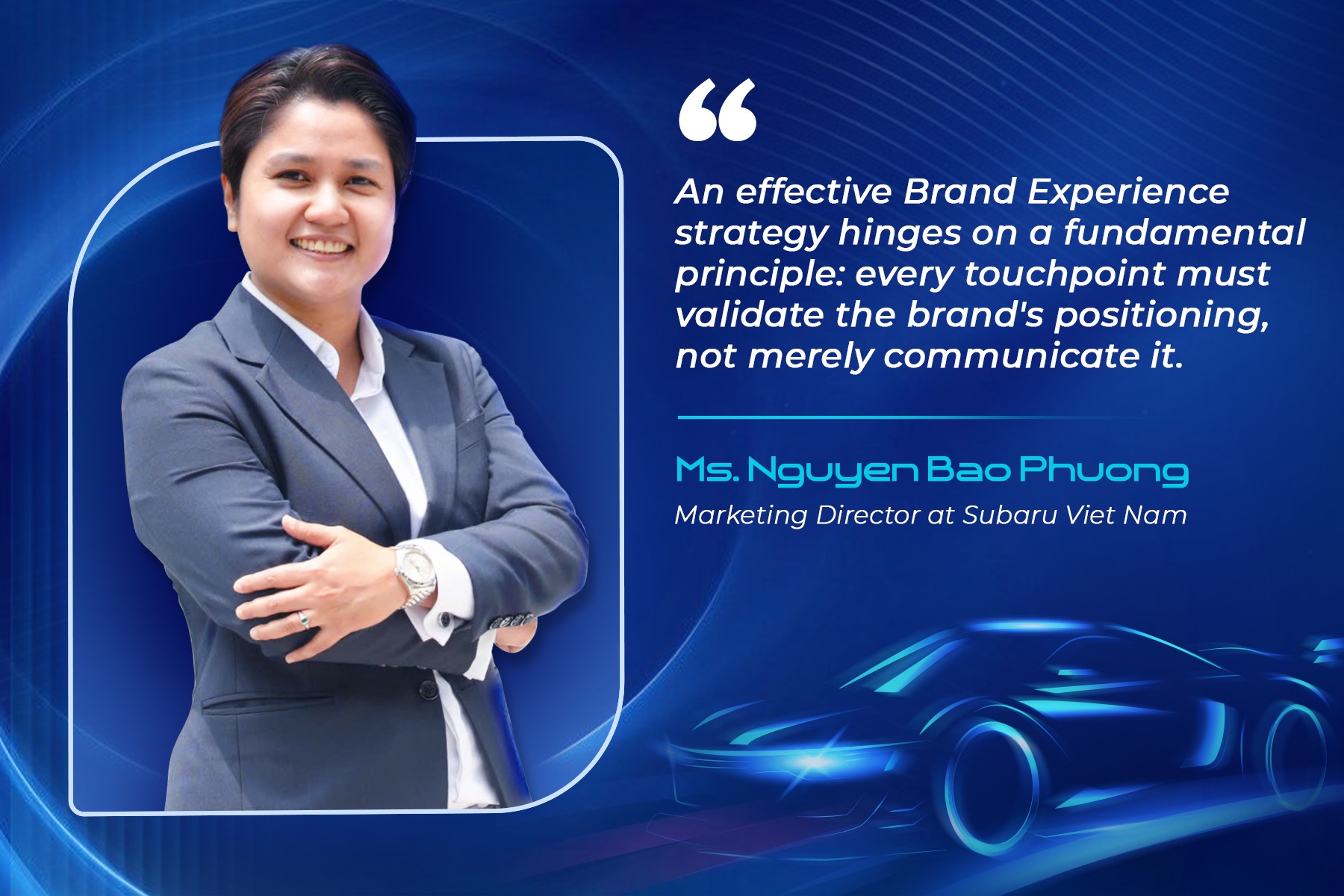
The campaign operated at full force across multiple platforms, streamlining content using the “Snackable Content”formula to guide users smoothly from short videos to installation. The participation of Hot Families and KOCs“normalized” the brand, making the product an integral part of family moments. The key technical highlight lay in Data-driven thinking, harmoniously coordinating Zalo Branding and Live-commerce to create a closed O2O (Online-to-Offline) loop. Most importantly, through this ecosystem, the brand mastered its “First-party Data treasure,” enabling direct customer understanding without depending on third-party platforms—a survival advantage in the 2026 privacy era.

Case Study 2: Custas Com – A Model Lesson in the Art of “Localization” via Heritage Storytelling

In a market where Influencer booking has become a “common dish” with questionable effectiveness, Novaon Digital’s Custas Com (Green Rice) campaign emerged as a lesson in optimization. The challenge was to launch a new flavor for the international brand Orion while still conquering modern housewives (25-40 years old)—who are extremely sensitive to hollow advertising. To stand out, Novaon performed a revolution in Influencer Marketing operations, turning each KOC into a link conveying heritage values.

Novaon Digital partners with Custas to introduce the Custas Com product line, weaving in local traditional stories

(Source: Novaon Digital)

The first unique point was applying Artificial Intelligence (AI) to solve the “DNA Fit” puzzle. Instead of choosing KOCs based on vanity metrics, Novaon’s AI filtered for Millennials who truly love Hanoi’s culinary culture. This technology shortened search time and ensured each KOC was a natural “storyteller.”

The secret to truly “dominating the airwaves” lay in the combination of technology and a multi-format content strategy. Novaon Digital directed content under the “Awakening Hanoi Flavors” concept with high-end visual formats like Cinemagraphs, Video Animation, and Multi-photo. Instead of dry reviews, KOCs provided a miniature “cinematic experience,” turning an industrial cake into an emotional “heritage gift.”

Case Study 3: Juchi Rice Crackers – “Social-First Strategy”: Capturing Gen Z’s Minds with the Language of Non-conformity

In a rice cracker segment often framed as “traditional” and somewhat aged, Juchi (HBC Foods) served as a test for Novaon Digital’s ability to pivot customer psychology. The biggest challenge was making a savory rice cracker a “must-have” for diverse groups, from experience-hungry youth to family-oriented consumers. Novaon Digital deployed a Social-First strategy with a methodical roadmap: starting from sharp awareness touchpoints, moving to deep emotional cues, and finally retaining customers through community engagement.
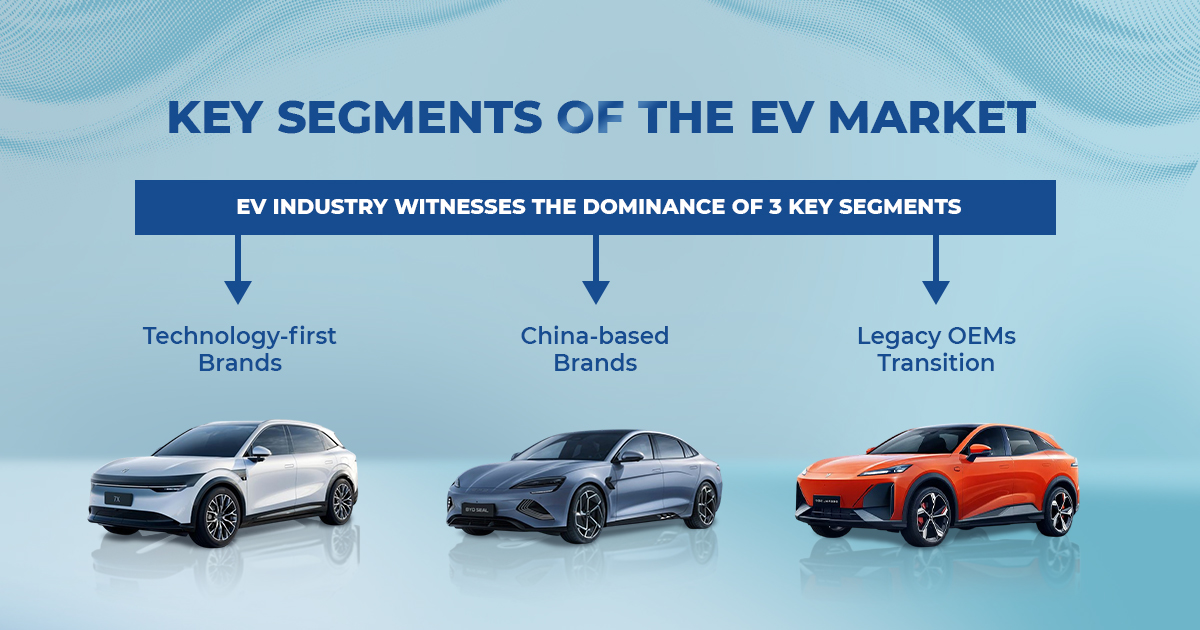
Novaon Digital partners with Juchi Rice Crackers to introduce the product to young consumers. 
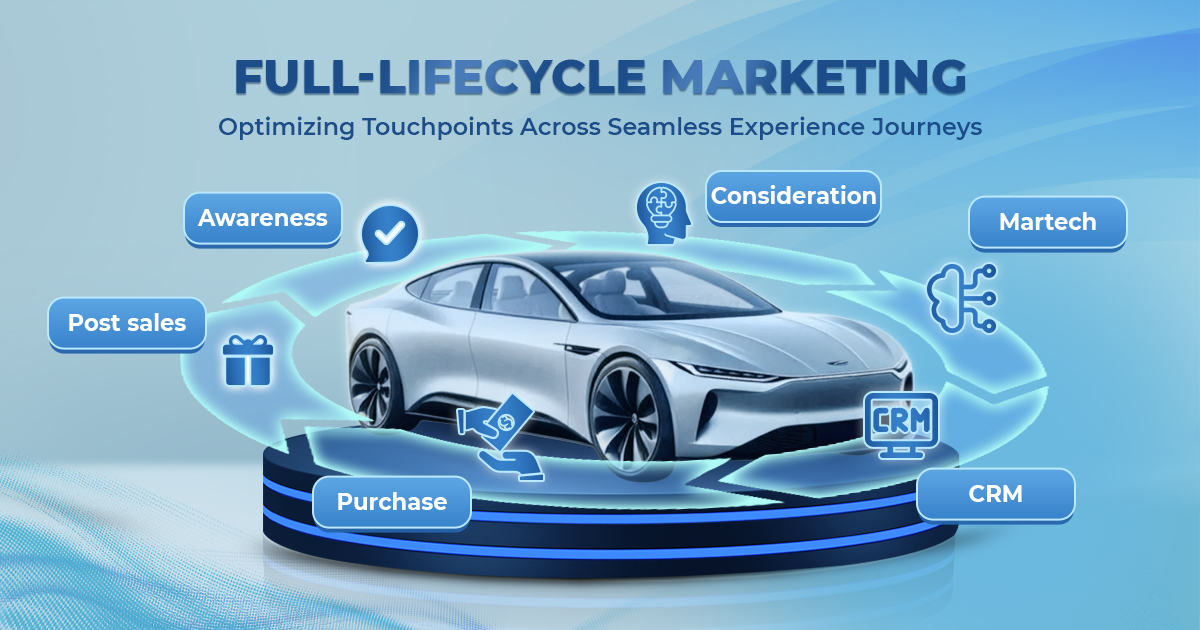
(Source: Novaon Digital)

The “Aha!” moment came from understanding modern consumers: they don’t just eat for taste; they need a “snack” compelling enough to start and sustain conversations. Thus, the Big Idea “Addictive Taste, Wild Stories” (Vị Cuốn, Chuyện Cuồng) was born, directly hitting the need for “Chilling”—a mental state of emotional sublimation with loved ones.

Novaon Digital manifested the campaign’s execution through a series of explosive “Key hooks” across Facebook, Instagram, TikTok, and YouTube. By blending emotional TVCs, rapid-fire short videos, and the “Chill with Juchi” lifestyle contest, the brand sparked a natural and persistent wave of discussion. By discarding a formal appearance to become part of the community and speaking the customers’ language, Juchi didn’t just sell products—it created loyal brand ambassadors.

IV. Expert Insight: From Execution to 2026 Total Strategy

The three campaigns of Thach Long Hai, Custas, and Juchi are the clearest evidence that 2026 FMCG communication has no room for one-way messaging. The upcoming trend will shift strongly toward Personalized Omnichannel Marketing. As customer journeys become increasingly fragmented between physical shelves and digital spaces, brands must change.

FMCG brands need to create personalized messages at every touchpoint, from using AI to find the right KOC “frequency” to establishing app ecosystems for First-party Data collection. This shift helps brands reflect true user behavior and emotions while standardizing data processes to optimize repurchase rates and build sustainable loyalty rather than just racing on price.

Understanding this reality, Novaon Digital is proud to provide a Total Brand Experience solution ecosystem, combining Strategy – Creative – Technology. We don’t just support automation and personalized omnichannel communication; we help brands tell heritage stories with messages “tailor-made” for each consumer—ensuring the right insight, at the right time, to remain fully present in the customer’s mind on the 2026 racetrack.

5 xu hướng Content Marketing 2026: Nâng tầm trải nghiệm thương hiệu với chiến lược nội dung số toàn diện

Brand Experience
Solution Agency

Novaon Digital harnesses the power of Strategy, Technology, and Creativity to drive brand growth. Drawing inspiration from crafting transformative experiences, we aim to enhance customer understanding and appreciation of your brand.


© 2026 NOVAON DIGITAL. All rights reserved.

Headquarter

Central Point Building, 219 Trung Kinh, Yen Hoa Ward, Hanoi City.

Ho Chi Minh Office

215 Nguyen Van Thu, Tan Dinh Ward, Ho Chi Minh City

Singapore Office

5001 Beach Road, Golden Mile Complex, #08-10, Singapore.

Novaon Group Member Units

© 2024 NOVAON DIGITAL. All rights reserved.