In recent years, as AI has made content production more cost-efficient than ever, the volume of digital content has increased dramatically compared to users’ limited attention. Marketers are caught between two pressures: solving the growth optimization problem while also designing content that is differentiated, consistent, and engaging across multiple touchpoints. Against that backdrop, this article focuses on analysing five key content marketing trends that can help brands build a more holistic brand experience.
I. How Content Marketing Is Changing – A Macro View
As of 2025, consumers in Vietnam and globally are not only spending more time online, but doing so in very different ways: spending hours scrolling short-form video, letting algorithms suggest what to watch or buy, and turning to AI search rather than only using Google. These shifts are creating three core challenges for brand content strategies in 2026.
First, the world is moving deeper into the era of the Attention Economy – where attention has become the scarcest resource. The volume of content users encounter each day is growing exponentially, while their “time budget” and cognitive bandwidth remain limited. Research by Lumen (2025) shows that only around 35% of digital ads are actually seen by users, and among those, 91% receive less than one second of attention. In other words, a large share of media budgets is merely “passing in front of users’ eyes” rather than entering memory or influencing behaviour – a serious challenge for any content strategy.
In parallel, social media distribution algorithms are changing how brands reach users. Multiple industry reports indicate that major platforms (Meta, TikTok, YouTube, etc.) are shifting from a social graph model (prioritising content from accounts users already follow) to an interest graph model (prioritising content that best matches each user’s interests and behavioural patterns on the platform). This means that even with a large follower base, brands no longer “naturally” reach those followers. Every piece of content must be sufficiently engaging, relevant, and interaction-worthy to be surfaced by recommendation systems in users’ feeds.
Next, search behaviour is being reshaped. A recent study by Bain & Company shows that around 80% of users rely on AI-generated summaries in at least 40% of their searches. As a result, organic website traffic has dropped by an estimated 15–25% in many sectors (Bain, 2025). When answers are presented directly on the results page, GEO/AEO (Generative/Answer Engine Optimization) is emerging as the next evolution of SEO, requiring content marketers to design content optimised for AI selection and summarisation.
So, as capturing attention becomes more difficult and search and content distribution algorithms change rapidly in 2026, which content trends will truly rise to prominence?
II. Five Key Content Marketing Trends for 2026
1. Competing in SEO with E-E-A-T in the Age of AI Search
E-E-A-T is the new content quality standard that Google emphasised in 2025 and that its algorithms increasingly prioritise. It includes:
Experience
Expertise
Authoritativeness
Trustworthiness
Multiple meta-analyses indicate that SEO still delivers an average ROI of around 200–500% – meaning every 1 unit of cost can generate 2–5 units of revenue – with some practical studies estimating around 275% ROI.
In parallel, Google has rolled out AI Overviews to over 200 countries and more than 40 languages, serving over 1.5 billion users. Independent tests show that this AI section can occupy more than two-thirds of the screen and significantly reduce CTR for the organic results below.
If brands want to continue capturing value from search, SEO content must meet E-E-A-T rigorously: grounded in real experience (cases, examples, data), with consistent identity across touchpoints, and transparent citation and structure so that AI systems are confident to prioritise and quote it.
2. Scaling Authentic Content
As marketers increasingly use AI to streamline content ideation and production, what becomes scarce is a distinctive Brand Voice.
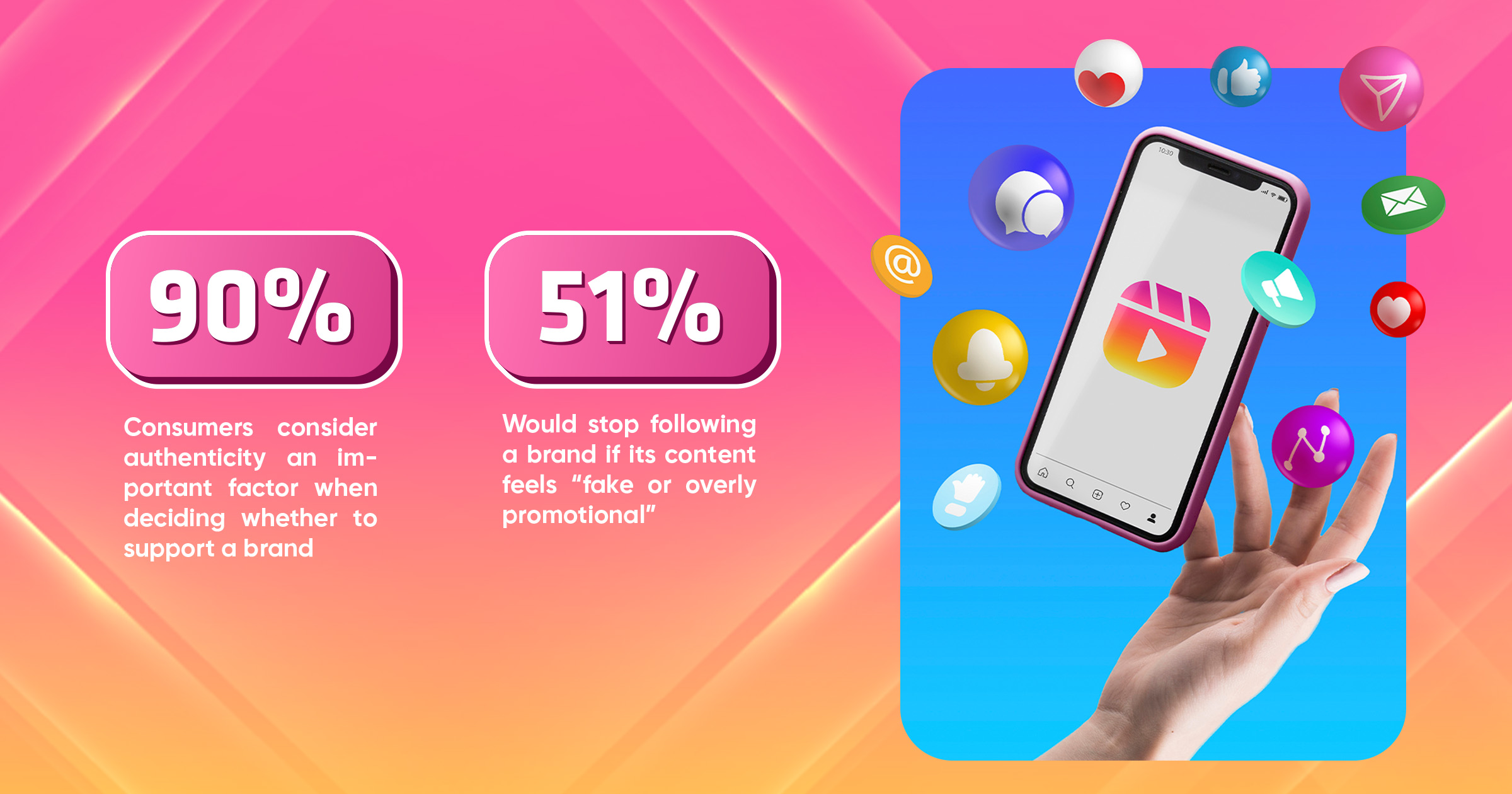
A 2024 study by Stackla found that roughly 90% of consumers consider authenticity an important factor when deciding whether to support a brand, and more than 51% say they would stop following a brand if its content feels “fake or overly promotional.”
In the context of Vietnamese businesses shifting towards AI-generated captions, outlines, and scripts, brands need to strengthen authenticity through:
Building a consistent Brand Voice: defining clearly how the brand communicates, instead of chasing every trending tone that may conflict with its positioning.
Prioritising storytelling: telling genuine brand stories – from product development and production processes, to customer journeys, to perspectives from internal teams.
3. Developing Micro-Community Content
According to Kantar (2025), nearly 40% of consumers trust content from micro-communities at a level comparable to recommendations from friends or family. Kantar also reports that in China – a frontrunner in social content trends – brands that invest in micro-community content achieve marketing ROI more than 25% higher than the market average.
Platforms such as Weibo Planet and Xiaohongshu (Little Red Book) are prime examples, hosting millions of micro-communities built around highly specific topics, interests, and lifestyles – from skincare and fashion to parenting, travel, and personal finance. Brands appear as members of these communities, contributing high-value content (knowledge, experience, case examples) before directly driving sales.
In Vietnam, this strategy can be implemented via specialised groups and forums on Facebook, Zalo, and other platforms, as well as fan communities around celebrities and KOLs/KOCs – environments where participants already have high trust and are willing to discuss in depth the issues that brands want to engage with.
4. Activating User-Generated Content (UGC)
User-generated content (UGC) is one of the strongest trust signals because it comes from real user experiences: marketplace reviews, user-posted photos or videos, comments in communities, or content from KOCs.
According to Envato Elements, campaigns that incorporate UGC often achieve conversion rates up to 29% higher than those relying solely on brand-produced content. In the context of 2026 – especially for SMEs – UGC is arguably the most effective way to build credibility with limited budgets.
5. Thought Leadership Content and Employee Advocacy
Many Vietnamese businesses still implement Employee Advocacy in a basic way, mainly encouraging staff to like, comment on, or share posts from the brand’s fanpage. The emerging trend, however, is to proactively develop employees into thought leaders – people who shape perspectives in their industry.
Instead of relying only on external KOLs, brands empower internal teams to step out and speak: sharing expertise, breaking down real cases, explaining tough decisions, and directly addressing issues that customers care about.
To execute this effectively, companies need to:
Select a group of internal “brand faces” or ambassadors,
Train them in writing, public speaking, and professional use of social media,
Provide clear content guidelines and a recognition system.
When done well, every article, webinar, or video created by employees becomes a powerful content touchpoint, adding a highly credible and hard-to-replicate layer to the overall brand experience.
III. Strategic Perspective from Novaon Digital
From the perspective of Novaon Digital’s experts, content competition in 2026 can be seen as two parallel chess games:
Winning algorithms through sound structure and data.
Winning people through story and brand experience.
Based on that approach, Novaon structures its 2026 content marketing solutions around four pillars:
Brand and content strategy: clarifying the brand’s core, then designing a long-term content backbone that is both algorithm-friendly and true to brand identity.
Designing real, specific narratives across touchpoints: building authentic story arcs across online and offline channels.
UGC and community content: creating experiences and mechanisms that make customers want to tell their stories with the brand.
Turning employees into “brand faces”: training a core group of staff so they can confidently appear as industry experts, thereby adding a layer of credibility that competitors find hard to imitate.
IV. Conclusion
Looking towards 2026, content marketing requires assets that are both structured and machine-readable for algorithms and AI, and meaningful and deep enough for people to see themselves in. Trends such as authentic content, micro-communities, UGC, and Employee Advocacy ultimately converge on the same goal: building trust and a consistent brand experience across multiple touchpoints.
Novaon Digital approaches content marketing as an integrated solution: from brand strategy and content architecture, to multi-channel storytelling, UGC design and activation, micro-community building, and Employee Advocacy programmes for internal teams. The ultimate objective is not simply to “produce more content”, but to turn each content piece into a deliberate touchpoint along the customer journey – where the brand becomes clearer, more trustworthy, and more effective in driving business outcomes.
The banking and finance industry is undergoing rapid change under the impact of digital transformation and shifting user behavior. Product-centric communication alone is no longer sufficient; brands also need to build connection and nurture customer loyalty, especially among younger generations who prioritize experiences.
In that context, Music & Sponsor Event Marketing has emerged as an effective approach for banks to step into familiar cultural spaces such as music, arts, and lifestyle, thereby moving closer to their customers.
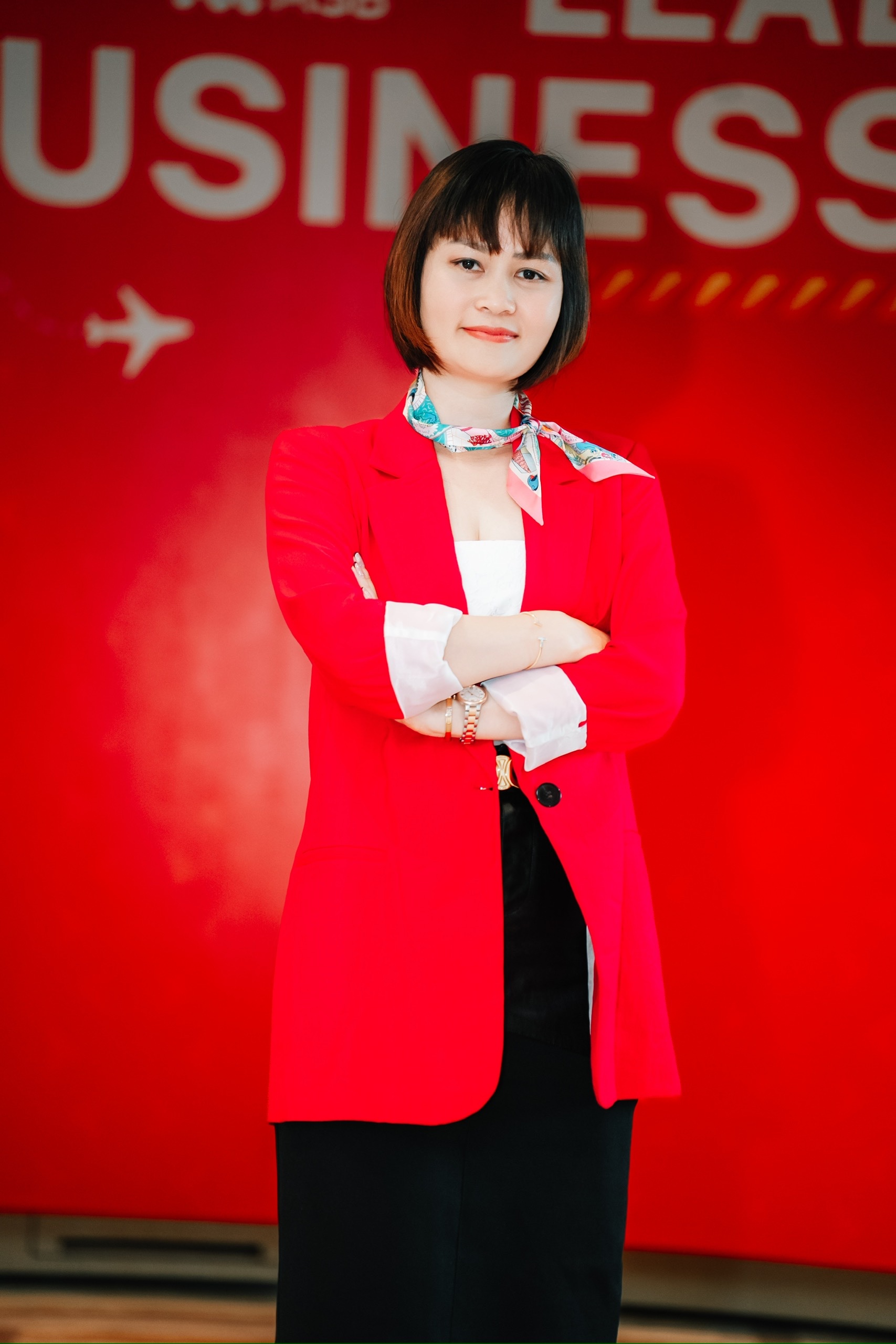
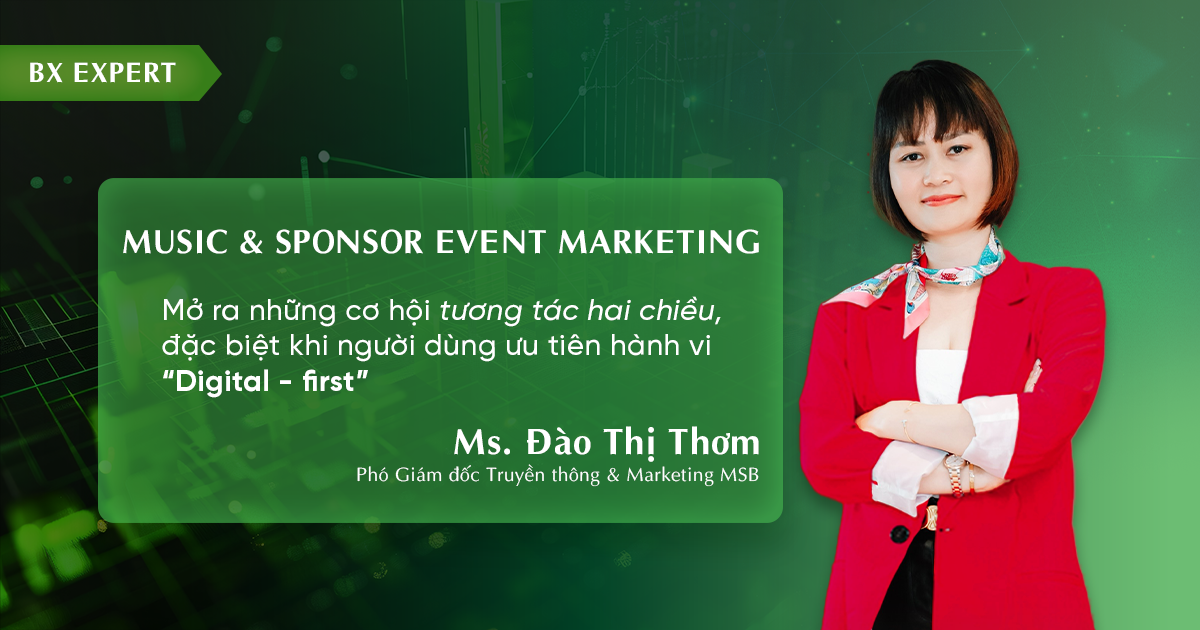
Ms. Đào Thị Thơm – Deputy Director of Communications & Marketing at MSB – shares her perspectives and practical experience behind this strategy.
I. New communication trends in the banking and finance industry
Current state of brand communications in Vietnam’s banking and finance sector
According to a report by YouNet Media, from July 2024 to June 2025, the banking and finance industry recorded 67 communication campaigns from 15 banks, with high creativity and diversity across multiple social media platforms. Content extends beyond financial products to topics of culture, entertainment, and social responsibility. This reflects the need to reach customers in spaces that feel familiar to them.
Another report by MiBrand (2024) shows that two-way interactive communication channels such as social media (59.61%) and websites (55.96%) are the most effective in reaching the right target audience. However, even though up to 82% of users have seen bank advertising, only 12% consider using the service and just 3% make an immediate decision.
These indicators highlight an urgent need to change how brands approach the public, optimize brand strategy, and seek new methods of connection.
More and more banks are stepping into the music arena
Source: MSB – Vietnam Maritime Commercial Joint Stock Bank
Music & Sponsor Event Marketing: A breakthrough solution for financial and banking brands
In an intensely competitive environment, most banks still communicate product and service features on a rational level such as interest rates, incentives, and fees – elements that are easily replaceable and difficult to differentiate. Users, especially Gen Z, have higher expectations for familiarity, emotional resonance, and experiential value. As a result, Music & Sponsor Event Marketing has become a breakthrough strategy that reflects a new marketing mindset.
Music Marketing allows brands to tap into emotions through artists, melodies, and memorable moments; while Sponsor Event Marketing places the brand in a community setting, where live experiences create strong appeal.
When combined, these two elements not only help the brand appear, but become part of the cultural experience itself. In doing so, the brand shortens the distance with customers and creates a distinctive imprint.
In the next section, Ms. Đào Thị Thơm – Deputy Director of Communications & Marketing at MSB – will share how this model is applied to create advantages for brands in the banking and finance industry.
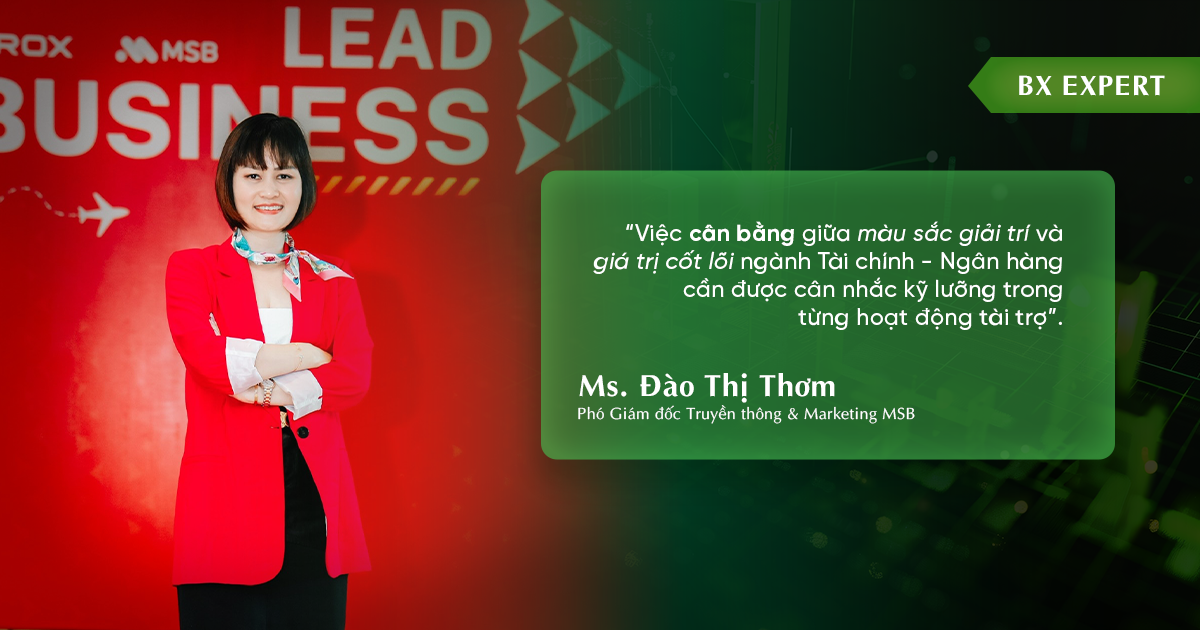
Ms. Đào Thị Thơm – Deputy Director of Communications & Marketing at MSB
Source: MSB – Vietnam Maritime Commercial Joint Stock Bank
* Hello Ms. Đào Thị Thơm, it is well known that in the banking and finance sector, brand image is inherently associated with trust, standards, and safety.
In your opinion, what role does Sponsor Event Marketing play in enhancing brand awareness and building emotional connections between banks and customers, especially younger customer segments?
In my view, financial and banking brands must always place trust and safety at the core of their values. That is non-negotiable. But with younger generations, who have a strong sense of freedom and high expectations for experiences, brands also need to renew the way they express themselves to feel closer, without losing their original identity.
I believe Sponsor Event Marketing can do that. When a bank appears in cultural and musical contexts – places that reflect the energy and ideals of young people – the distance is shortened naturally without breaking its positioning.
Events often create emotional dimensions that financial products and services alone find difficult to generate. In those moments, the level of brand affinity increases significantly. This method also helps us better understand users and opens up more conversion opportunities, especially with Gen Z – a group that prioritizes personalization and expects quick feedback from real-life experiences.
* Among many types of sponsorship activities, why do you think financial and banking brands often prioritize music programs? What makes music events stand out compared to other sponsorship formats?
When sponsoring events, we realized that music has a particular advantage: it reaches emotions very quickly and creates a positive energy that other formats find hard to match. Music events are where many audience groups converge, from individual viewers to large fan communities.
This connection is even more explosive among younger customer segments. In 2024–2025, we have witnessed music programs creating vibrant fandom communities. Their emotional energy has become a valuable “marketing asset”, helping banks appear naturally, without feeling forced, in young people’s entertainment context.
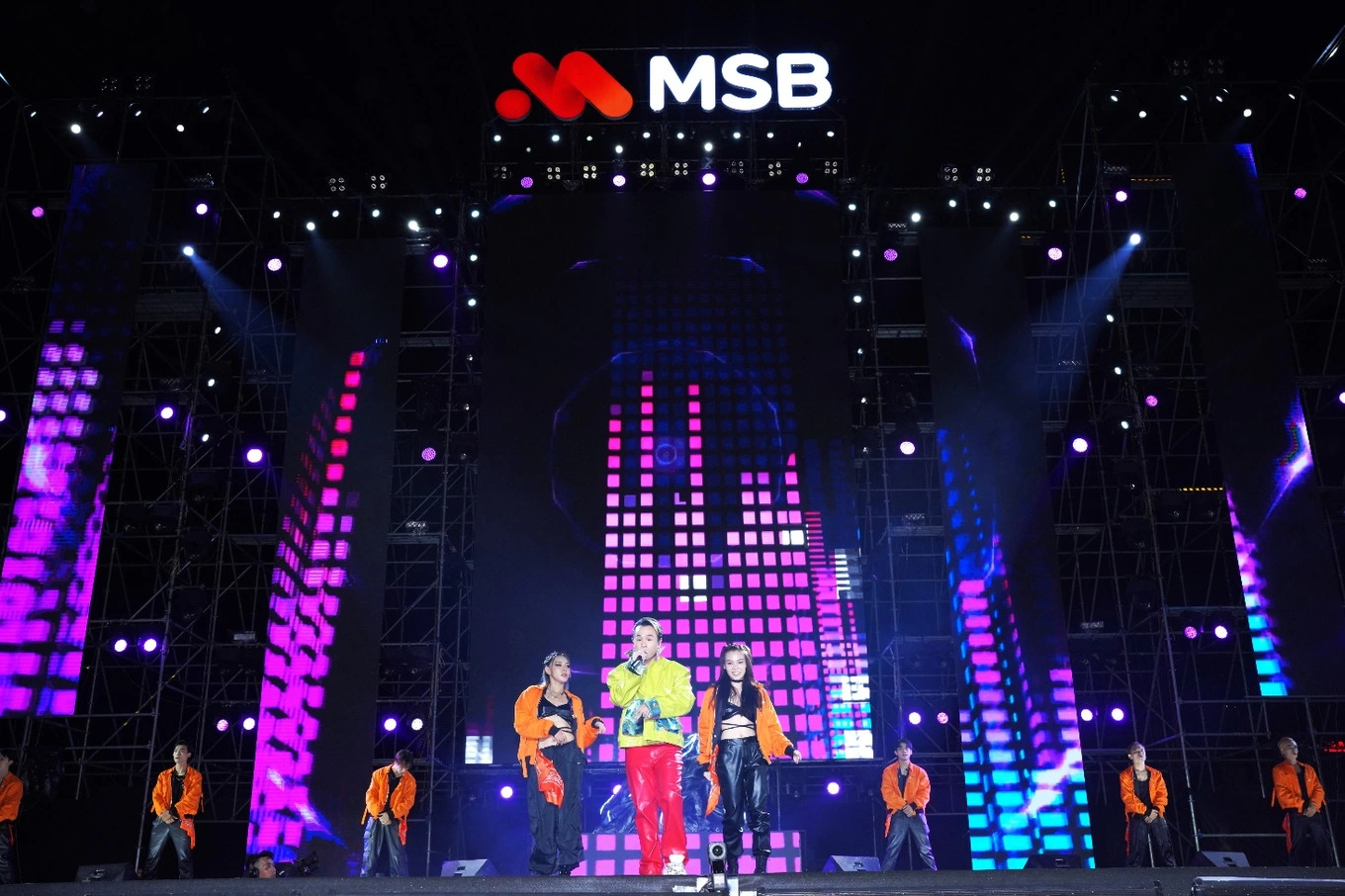
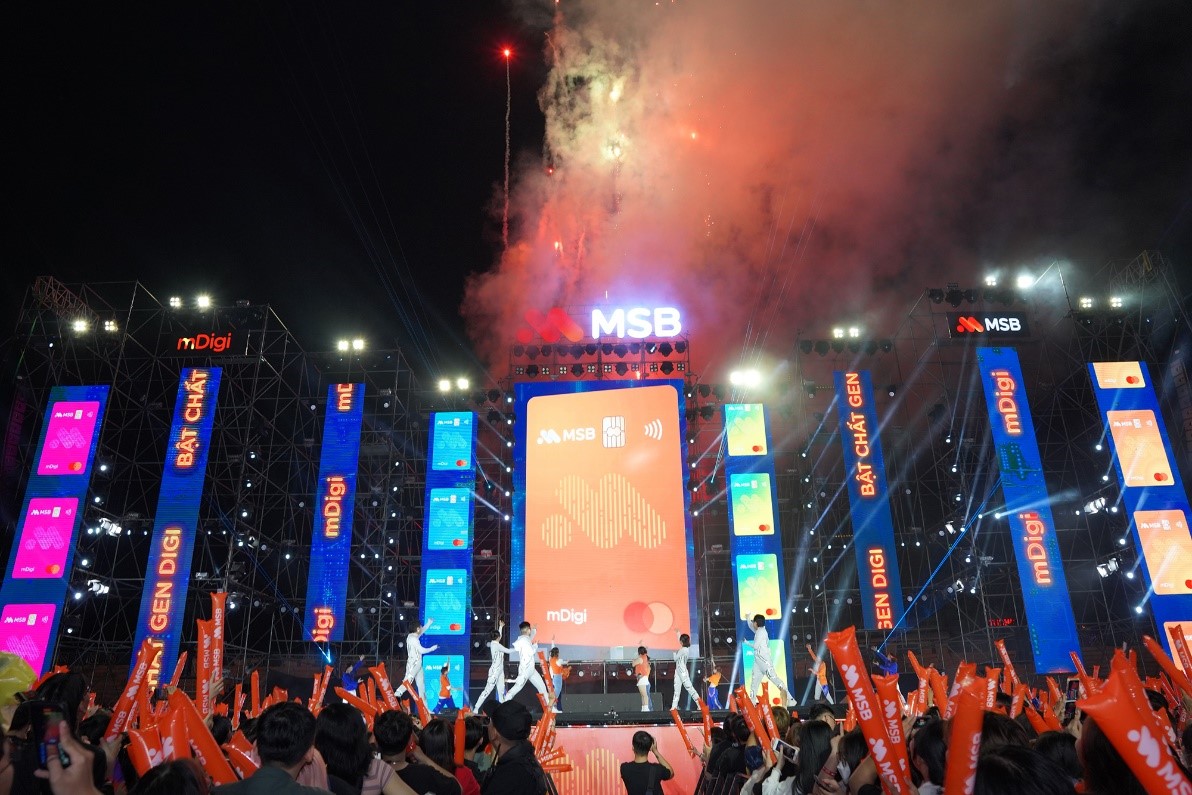
From the “Bật chất Gen Digi” concert launching the MSB Mastercard mDigi credit card to the performances at the VBA Star X 2025 Basketball League, we have seen the emotions and positive energy of these communities. Music makes the brand feel more “alive” and meaningful, while also stimulating customer behavior: from attention and goodwill to interaction during and after the event.
That is why many financial and banking brands, including MSB, are prioritizing sponsorship of music events alongside traditional communication activities.
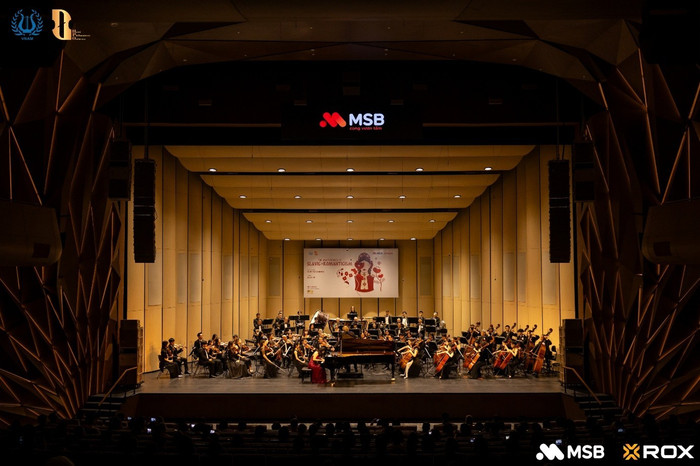
“Thanh âm tinh hoa” – MSB’s music event series honoring premium customers
Source: MSB – Vietnam Maritime Commercial Joint Stock Bank
II. Opportunities and challenges of Music & Sponsor Event Marketing for banking and finance brands in enhancing awareness and managing brand communications
The rise of Music & Sponsor Event Marketing is opening a new channel of connection for the banking and finance industry, as emotions and experiences increasingly replace rational messages that have long dominated traditional communication channels.
By being present at major music events, financial and banking brands have the opportunity to reach the public in emotionally charged moments. Showing up in the right context helps the brand build goodwill, increase brand affinity, and become a standout emotional touchpoint compared to more rational communication formats.
However, this model also brings many challenges. The biggest risk lies in choosing the wrong context or artist, which can cause the brand image to deviate from its core values. At the same time, effectiveness is very difficult to assess without a clear measurement framework. In addition, amid rising competition, banks that want to stand out need to invest in deeper, more meaningful experiences instead of just putting their logo on display.
* In your opinion, what opportunities does Music & Sponsor Event Marketing create for banking and finance brands to reach and build deeper connections with customers in today’s communication landscape?
I believe Music & Sponsor Event Marketing is powerful because it can motivate audiences to actively seek out contexts where the brand is present. When viewers reach a certain level of excitement, they are more open and allow the brand to approach them naturally. This is a clear advantage compared to traditional one-way communication.
For MSB, Music & Sponsor Event Marketing opens up opportunities for two-way interaction, especially when users favor “digital-first” behaviors: from scanning QR codes to check in, opening an account to receive tickets, enjoying card offers directly at the event, to post-event social media activities. I have realized that simply showing up in front of them is not enough; we also need to let them “touch”, use, and share. Through these interactions, the brand has the chance to embed business activities into the customer experience in a subtle and effective way.
However, alongside these opportunities, financial and banking brands must also be careful in choosing artists, positioning events, and managing potential risks to avoid backlash.
Ms. Thơm notes that Music & Sponsor Event Marketing creates easy opportunities for two-way interactions for banking and finance brands
* The banking sector is highly sensitive in terms of communications. When deploying event sponsorship combined with Music Marketing, what brand risks do financial and banking institutions need to pay particular attention to?
Personally, I believe that music event sponsorship strategies carry significant risks.
First, there are factors that are difficult to control, such as the image of the artist and public reactions – even a small incident can directly affect brand reputation. Therefore, reviewing artist image and legal aspects, as well as building crisis management scenarios, is essential.
Second, there is the challenge of potential misalignment in brand positioning. Music is inherently entertainment-driven, while banks value standards and prudence. If the context is chosen poorly, the brand may drift away from its original image orientation.
Third, the banking and finance market is witnessing an intense race in music event sponsorship. The frequency of brand appearances makes it harder for each brand’s differentiation to truly stand out.
Fourth, this model requires considerable investment, while results and conversion are often hard to measure directly. That is why I see this method as uncertain if the brand does not set clear objectives and an evaluation framework from the very beginning.
Finally, if brands only chase trends without a long-term engagement strategy, emotional connection can be very fleeting. Therefore, balancing entertainment elements with the core values of the banking and finance industry needs careful consideration for each sponsorship activity, to ensure the brand is elevated rather than overshadowed or misunderstood.
Balancing entertainment and core financial values is a top priority, according to Ms. Thơm
III. Integrating Music & Sponsor Event Marketing into broader brand communication strategies in the banking and finance industry
According to experts at Novaon Digital, music event sponsorship in the banking and finance industry is not just a matter of “boosting brand visibility”; it also requires a consistent strategy, clear direction, and practical solution frameworks.
In this context, Brand Experience (the customer journey) plays a central role. The important thing is to create a seamless experience for customers from online to offline: the messages, imagery, journey, and emotions that customers receive must be coherent.
To achieve this, brands need to harmoniously integrate Strategy – Creative – Technology. In practice, many brands have combined this with other supporting strategies, creating touchpoints before, during, and after the event. This helps banks enhance the overall effectiveness of brand communications.
1. Combining with Product Launch and Experiential Digital Engagement: The launch strategy for MSB Mastercard mDigi with the “Bật chất Gen Digi” music event
When launching the MSB Mastercard mDigi card within the “Bật chất Gen Digi” music event, MSB demonstrated both creative solutions and strategic system-thinking. MSB placed the product within a music environment that most clearly reflects the spirit, lifestyle, and expectations of young customer segments. The event combined diverse digital experiences: QR check-in, AR photobooths, interactive mini-games, and instant offers. Through this, MSB positioned mDigi not only as a financial tool, but also as a symbol of a modern, dynamic, and expressive lifestyle.
2. Combining with Loyalty & Priority Banking Experience: “Thanh âm tinh hoa” – An exclusive art and music series honoring priority customers
With the “Thanh âm tinh hoa” series, MSB wanted to express a different philosophy: long-term relationships with customers are built through carefully crafted experiences that deliver genuine emotional value. Choosing symphonic music – the foundation of many musical forms – not only creates a refined listening space but also fosters a sense of natural, pure connection.
Through this recurring series, MSB affirms its deep appreciation for priority customers and signals its desire to accompany them over the long run. This is how the brand maintains its identity as a standards-driven bank, while nurturing a deeper and more meaningful relationship with one of its most important customer segments.
3. Combining with Sports Sponsor & Lifestyle Branding: VBA Star X & MSB – when music and sports share the same beat
As part of its collaboration with VBA Star X, MSB has woven music into basketball games as an energy-creating tool, turning the league into a multi-sensory experience for young audiences. Activities ranging from opening performances to halftime shows and live interactions in the arena allow the brand to appear in emotionally rich, relatable, and energetic moments for a new generation of customers.
* From a brand management standpoint, what do you think banks need to pay particular attention to in order to deploy Music & Sponsor Event Marketing in a way that is subtle, appropriate for target customers, and aligned with brand positioning?
Given the nature of the banking and finance sector, many people believe music and finance are hard to connect. But in my opinion, if we identify the right intersection, music can become a powerful medium for banks to deliver their messages effectively.
Every time we execute a music event sponsorship campaign at MSB, we always start by defining the role of the bank in that sponsorship: not to become an entertainment brand, but to spread positivity, inspire, and stay true to our “Cùng vươn tầm” (“Advancing together”) philosophy.
We choose events, messages, and formats of presence based on how well they resonate with our brand story. Each program is an opportunity for MSB to demonstrate understanding, companionship, and long-term value for customers.
In my view, a strategy is only effective when it comes from a genuine place, with the intention to inspire and bring positive energy to the community. That is when the bank’s image becomes more refined along the customer journey, and the brand story we tell also feels more authentic and relatable.
The “Bật chất Gen Digi” mega concert by MSB to launch the MSB Mastercard mDigi card
Source: MSB – Vietnam Maritime Commercial Joint Stock Bank
IV. The impact and value of Music & Sponsor Event Marketing for brand communications in the banking and finance industry
It is clear that Music & Sponsor Event Marketing is a relatively new but highly effective approach in brand communications for the banking and finance sector. This strategy not only meets the growing demand for experiences but also helps brands differentiate themselves. Each consistent, well-crafted experiential activity creates emotional touchpoints that allow banks to imprint their story in customers’ minds, thereby reinforcing brand positioning.
Moreover, by tapping into customers’ “emotional frames”, brands increase the likelihood of influencing purchasing behavior through positive moments. Customers’ willingness to actively experience financial services and products at events can open up real growth potential.
* After implementing music event sponsorship campaigns, how do you think the relationship between the brand and its customers has changed?
As a bank that prioritizes customer experience, MSB has observed that the relationship between the brand and customers often improves after sponsorship campaigns. When the brand appears in emotionally rich moments, the distant and formal image of a bank is perceived in a more “human” way.
More importantly, we have seen a clear increase in trust and goodwill towards the brand. Customers feel a stronger sense of alignment with us and are more willing to deepen their relationship with the brand. This is essential for building long-term relationships.
* From your perspective, what new insights about customer–brand interaction have music sponsorship campaigns revealed? And in your opinion, how should banking and finance companies shape their communication strategies to sustain strong customer engagement in the coming period?
In my opinion, music event sponsorship campaigns have helped confirm an important truth: customers respond much more strongly to authentic experiences, so we should not stop at advertising messages alone. They want the brand to appear in a context that fits their culture while delivering clear value, not just talking about products and services.
For long-term brand communication strategy, I suggest that banking and finance brands consider adjusting in three directions:
Shift from one-way communication to creating experiences and interactions where customers can participate and co-create content with the brand.
Shift from focusing solely on functional benefits to communicating life values such as financial autonomy or a positive lifestyle.
Build multi-touchpoint relationships that carry emotions from events into social media and product experiences.
In other words, to stay connected with younger customers, brands not only need to be present but must do so in the way customers want, at moments that are meaningful and emotionally resonant to them.
Ms. Thơm emphasizes that authentic experiences are key to maintaining brand–customer relationships
Conclusion
In the context of the banking and finance industry, brand communication strategies need to be implemented in an innovative, consistent, and holistic manner. As user behavior becomes increasingly diverse, brands must find subtle ways to reach and accompany customers. That is how they build an image that is both approachable and trustworthy, while strengthening customer loyalty.
Music & Sponsor Event Marketing, combined with the entertainment-driven, culture-rich lifestyle of younger customer groups, offers a major opportunity for brands to appear intelligently, subtly, and in a way that feels close to Gen Z.
However, this opportunity comes with risks and challenges. Brands must think carefully to optimize effectiveness: controlling costs, collecting useful data, and ensuring that brand image is positioned correctly and in line with the times.
For Novaon, this was not just an interview, but a strategic conversation. These insights serve as inspiration for Vietnam’s banking and finance sector to shift its mindset – from short-term to long-term, from operational to generative, from content to value systems. Ultimately, sustainable brands are not defined by what we say, but by how we operate and communicate the right values.
With its capabilities in consulting and deploying integrated communication solutions, Novaon Digital has been and continues to accompany brands in designing differentiated experiences that connect the values of banking and finance businesses with their customers. Music & Sponsor Event Marketing is not only a way to tap into customer emotions, but also a path toward sustainable growth and stronger brand positioning starting from the Vietnamese market.
The automotive market is shifting at breakneck speed, and the Lead Generation game has officially moved to the smartphone screen. More than just a means of transportation, today’s car is an extension of consumers’ digital lifestyles – an investment in connection, comfort, and seamless experiences. This new reality demands a new approach: winning customers begins at the very first digital touchpoint, where emotions are triggered, trust is built, and real value is delivered.
Market Context & Today’s Automotive Challenges
According to J.D. Power, 81% of new car buyers in Vietnam conduct online research before making a purchase. Short-form video platforms like TikTok and Reels have become the “main stage,” where buyers seek authentic information, review models, and form their initial impressions of trust.
Challenge 1: When the Smartphone Becomes the First Showroom
In the past, brick-and-mortar showrooms were the first and most influential touchpoints. But now, the journey has shifted entirely online. Cox Automotive reports that buyers spend 14 hours researching online but visit dealerships only three times before deciding.
This means customers have already shortlisted models, compared prices, and evaluated dealership reputations long before stepping into a physical showroom. The phone screen has become the first virtual showroom, where emotions, trust, and purchase decisions take shape.
Social media has erased every pricing secret. Buyers can now compare promotions, accessory bundles, and dealer discounts within minutes.
Dealerships are dragged into a profit-cutting spiral in the race to win deals — shrinking margins and fueling unhealthy price wars. The winner is no longer the cheapest seller, but the one who creates the most exclusive value.
Challenge 3: Fragmented Leads, Harder Conversions
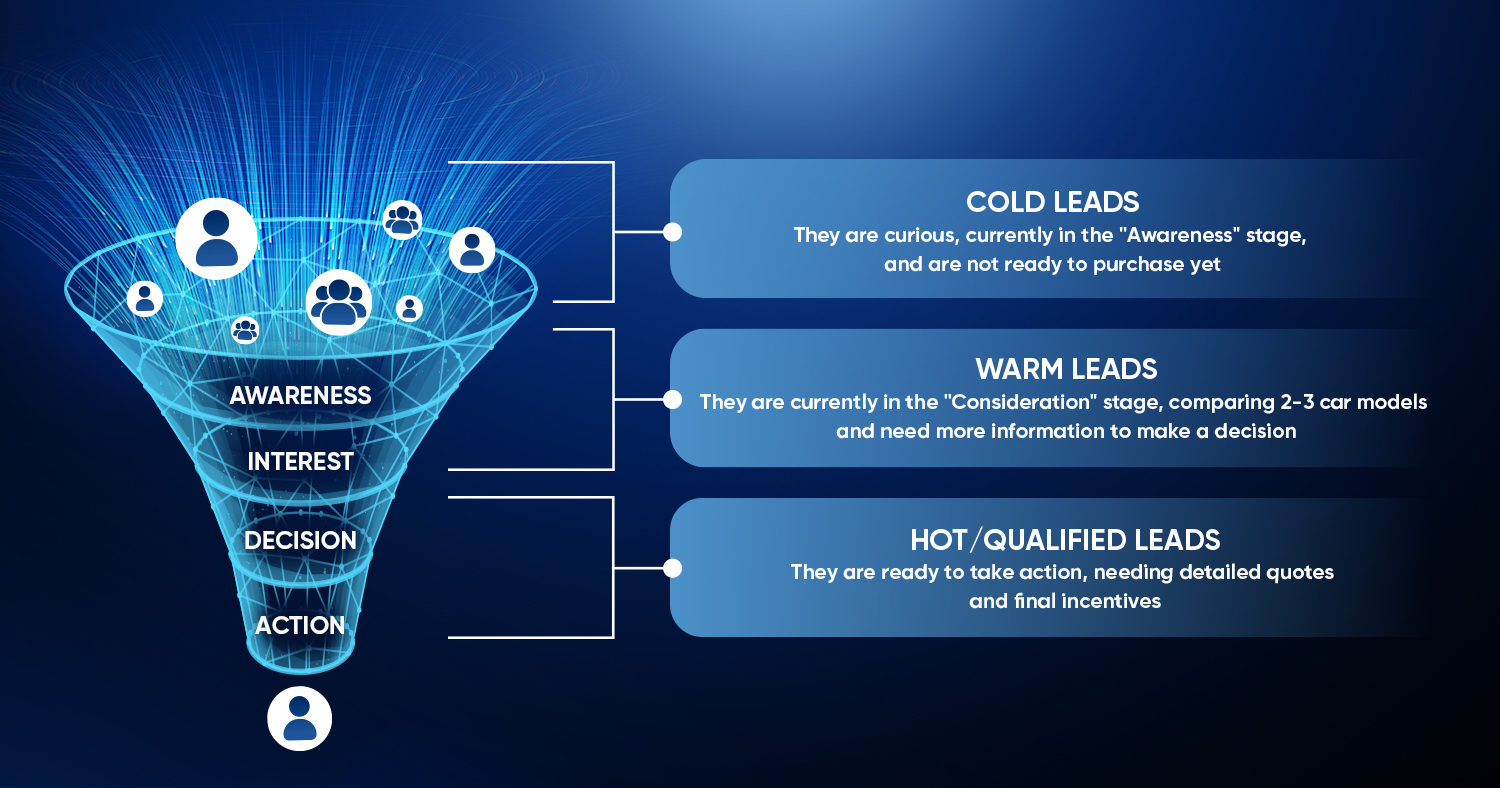
The segmentation of potential leads
Source: Novaon Digital
Digital campaigns today generate massive lead volumes (Lead Ads, ebooks, catalogues…), but those leads come in fragmented states — cold, warm, hot, unqualified, or undecided. The true challenge isn’t generating leads, but building a unified Brand + Performance (Brandformance) engine that nurtures, qualifies, and converts efficiently.
Brandformance is now the critical success formula — combining trust-building with conversion-driven precision to maximize high-value Qualified Leads.
Breakthrough Solutions for High-Quality Lead Generation
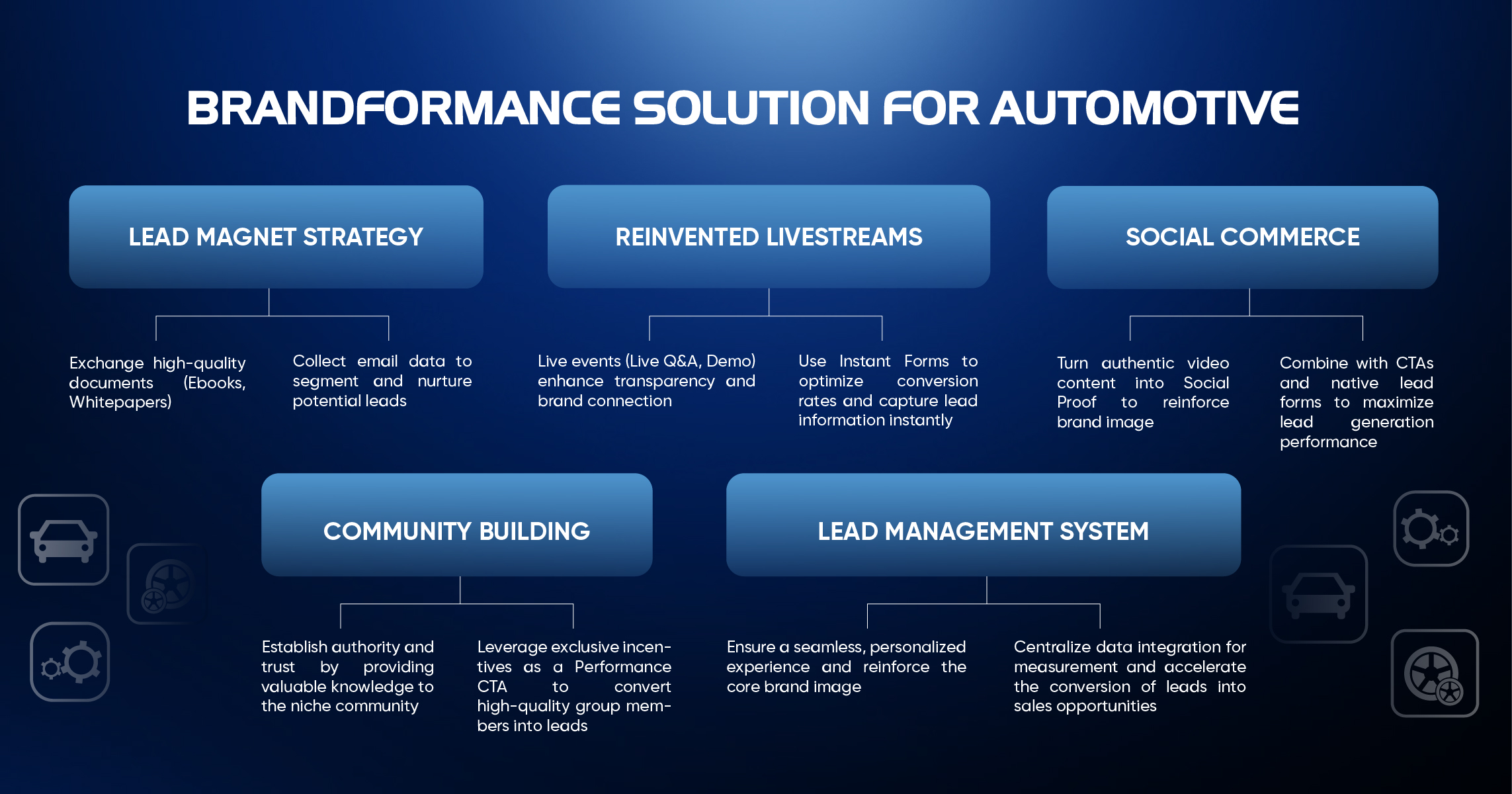
In a digital-first buying journey, the real challenge is not lead generation — it’s lead conversion. The five solutions below focus on acquiring Qualified Leads, shortening the sales cycle, and maximizing marketing ROI.
Automotive Qualified Lead Generation Solution
Source: Novaon Digital
1. Social Commerce: Turning Social Media into a Conversion-Driven Showroom
Next-generation Social Commerce transforms social platforms from awareness channels into instant selling and lead-capturing engines, powered by immersive AR/VR experiences. Gamified interactions allow users to explore vehicles with game-like mechanics. AR filters and VR showrooms let users “test” the car right in their physical space. After completing the game/experience, users must submit their info via Native Lead Forms or Click-to-Message Ads to unlock rewards — ensuring high-intent lead capture.
2. Reinvented Livestreams: Deep Touchpoints through Real-Time Interaction
Livestreams are no longer just live ads — they’re conversion accelerators. With real-time consultation, Q&A, and conversion prompts, livestreams transform curiosity into action. Educational content (safe driving tips, car care guides, maintenance knowledge) boosts trust and enriches the brand experience.
With Chatbots and live agents integrated, brands can:
Capture insights instantly
Personalize messages
Turn every moment of interaction into growth opportunities
This is where radical transparency meets real-time data speed.
3. Community Building: Unlocking the Power of Owned Communities
Community building is a long-term inbound strategy that establishes authority within a niche. Private groups and forums become trust hubs where warm leads are nurtured through consistent, value-driven, non-commercial content. Automation plays a key role — chatbots and forms continuously collect lead data. Social Listening helps brands track key discussions, identify needs, and respond with precision.
4. Lead Magnet Strategy: Exchange Value for Trust
Lead Magnets operate on one principle: Give exceptional value to earn exceptional leads. Premium downloadable assets — market-shaping ebooks, thought-leading whitepapers, trend forecasts — attract high-intent prospects while positioning the brand not just as a seller, but as a strategic advisor.
Optimized automation: ultra-light Lead Forms/Landing Pages + instant Lead Scoring + personalized nurturing flows
This shifts the brand from product provider to trusted expert.
5. Lead Management System (LMS/CRM): Speed + Precision + Real-Time Intelligence
A Lead Management System centralizes and automates data from every channel to maximize Customer Lifetime Value with a seamless online-to-offline experience.
The breakthrough lies in real-time integration:
Leads are captured and categorized instantly
High-potential leads are prioritized automatically
Sales responds at lightning speed
Deep insights from LMS/CRM fuel hyper-personalized messaging and accurate performance measurement — turning guesswork into data-driven strategy.
In the race to win automotive customers, initial interactions are only the starting line. Novaon Digital’s Brandformance vision blends brand-building with conversion excellence to create seamless journeys — shortening the path from “discovery” to “decision.”
AR/VR Experiences: Virtual showrooms with interactive lead capture and instant conversion potential
Interactive Livestreams: Tailored by audience segment + integrated chatbots + educational sessions for stronger trust
Community Building: Long-term brand platforms that nurture loyal users and protect brand reputation
OnLead Management System: Novaon’s exclusive performance engine that unifies all data in real time and automates Lead Scoring for rapid, high-quality conversions
In the digital era, letting 70% of marketing interactions go to waste is the biggest barrier to sustainable growth. Automotive brands no longer need just performance — they need a strong Brandformance foundation that unifies customer experience and compresses the buying journey.
Novaon Digital doesn’t just deliver solutions — we deliver a proven Brandformance vision. This is the key to turning interactions into closed deals and building a loyal customer base ready for the future.
Connect with us for a customized Brandformance roadmap tailored to your business.
In today’s fast-evolving landscape where consumer behavior has become increasingly fragmented and nonlinear, Personalization is no longer just a marketing trend — it has become an essential driver of every Omnichannel Marketing strategy in the automotive industry. But as more automotive brands adopt technology to tailor messages and experiences, what kind of personalization strategy truly differentiates a brand and creates sustainable competitive advantage?
I. Consumers Expect Seamless and Personalized Omnichannel Experiences
Modern automotive shoppers move back and forth between online and offline channels, expecting a unified, consistent experience across touchpoints.
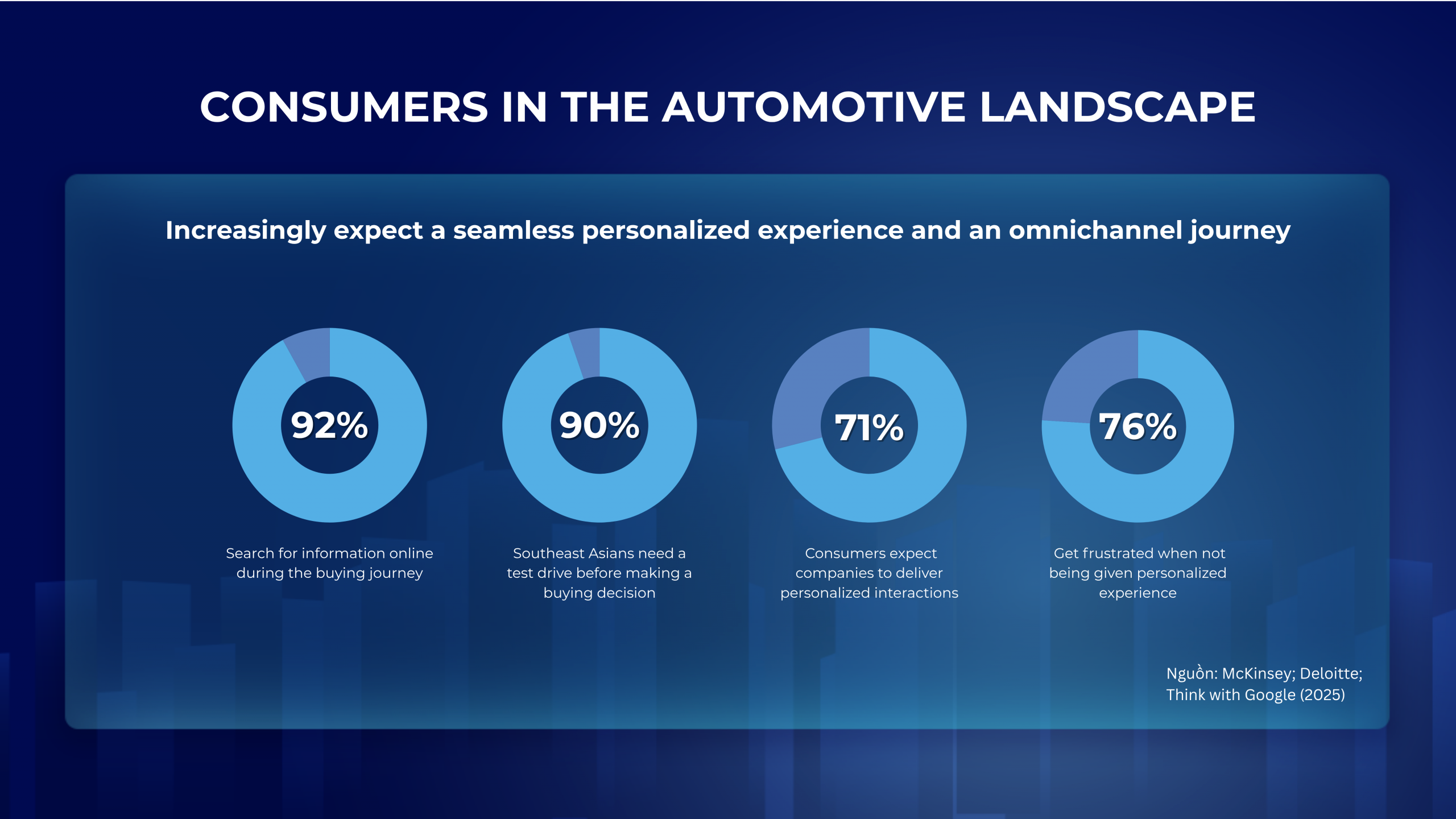
92% of car buyers research online before making a purchase decision (Think with Google, 2025).
Yet, 90% of Southeast Asian consumers still need a physical test drive to feel confident before buying, and 80% want to establish long-term relationships with dealerships for after-sales care (Deloitte, 2025).
At the same time, personalization expectations are rising. According to McKinsey, 71% of consumers expect personalized experiences, while 76% feel frustrated when brands fail to deliver them. Deloitte’s Global Automotive Study 2025 further shows that:
87% of Indian, 80% of Chinese, and 74% of Southeast Asian consumers are willing to pay more for personalized in-car services — even if that means sharing personal data.
Most consumers trust OEMs to manage vehicle and customer data responsibly, providing a solid foundation for scalable personalization strategies.
As a result, building an integrated omnichannel marketing journey has become a top strategic priority for automakers. And at the heart of that transformation lies one core principle: Personalization — creating a connected and individualized brand experience across every touchpoint.
II. How Automakers Are Deploying Personalized Omnichannel Marketing
According to McKinsey (2025), companies that lead in personalization achieve 40% faster revenue growth and 30% higher profit margins than competitors — largely because they can translate customer data into tailor-made experiences.
Leading automotive brands are approaching personalization systematically, built around two core pillars:
Personalizing content and engagement based on behavioral data
Integrating and automating the omnichannel customer journey
1. Data-Driven Personalization of Content and Interactions
The foundation of personalization lies in an organization’s ability to collect, unify, and activate customer behavioral and intent data. Moving beyond basic demographic segmentation, leading OEMs now identify “Moments of Truth” throughout the purchase journey — predicting behaviors and mapping multi-touch interactions to understand individual intent.
The next step is to turn this insight into action — transforming data into tailored experiences. Personalization today means more than adding a name to an email; it means adapting the entire brand experience to match customer behavior and buying stage, through:
Dynamic Content & Overlay Ads: Real-time website or app content that shifts based on user behavior.
AI-Driven Recommendations: Suggesting car models, configurations, or financing options aligned with user interests.
Behavioral Triggers: Activating communications based on behavioral signals — for instance, retargeting a customer who has viewed a specific model multiple times.
2. Integrated Customer Journeys – Turning Experience into a Brand Asset
The second pillar, and often the hardest, is achieving a seamless integration of customer experiences across channels.
In many organizations, online behavioral data (e.g., model views or quote requests) stays within marketing teams, while dealer data (e.g., test drive feedback, financing preferences, purchase status) rarely flows back upstream. This disconnect limits the brand’s ability to optimize campaigns and understand true performance.
Leading brands are overcoming this gap through a two-way data loop:
Marketing shares leads with behavioral context (e.g., “visited the hybrid model page three times, viewed financing offers”).
Dealers feed back interaction outcomes (“booked test drive,” “postponed purchase,” or “bought competitor model”).
Marketing then refines its messaging and timing based on these real-world responses.
III. Case Studies from Leading Automotive Brands
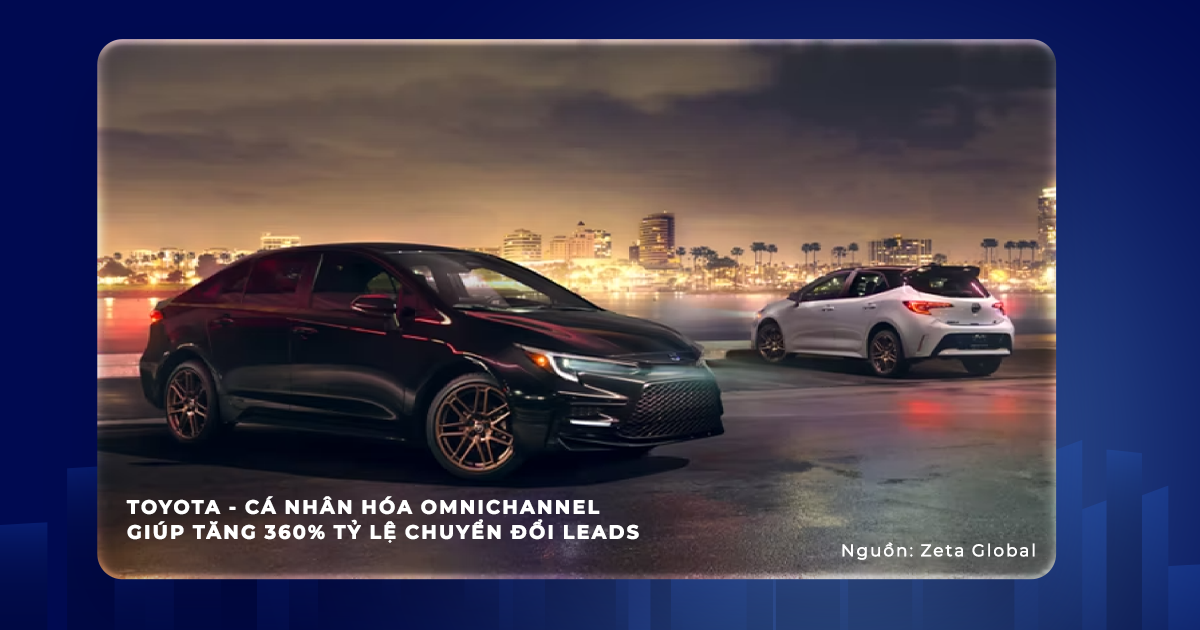
1. Toyota: Personalized Omnichannel Strategy Boosts Lead Conversion by 360%
Challenge: Despite attracting high and consistent website traffic, Toyota struggled to channel visitors toward Tier 2 and Tier 3 dealerships.
Their marketing tech stack lacked the capability to connect campaigns across different channels, meaning users who left the manufacturer site without visiting dealer sites were lost in the funnel.
When leads did reach dealers, attribution was unclear and dealer DMS data wasn’t being leveraged for remarketing — creating a fragmented, impersonal buying experience.
Solution: To unlock growth, Toyota restructured its marketing model — shifting from channel-based to integrated, customer-centric personalization. Partnering with Zeta Global, the company implemented an AI-driven marketing platform that:
Linked anonymous web data with known customer profiles.
Enabled personalized retargeting via email, display, and social channels to drive dealer visits.
Integrated dealer DMS and online behavioral data to pinpoint customers’ exact journey stage.
Results: Toyota achieved an 87% increase in CTR and a 360% surge in lead conversion rates. Following this success, the brand scaled the initiative into an always-on personalization strategy across markets.
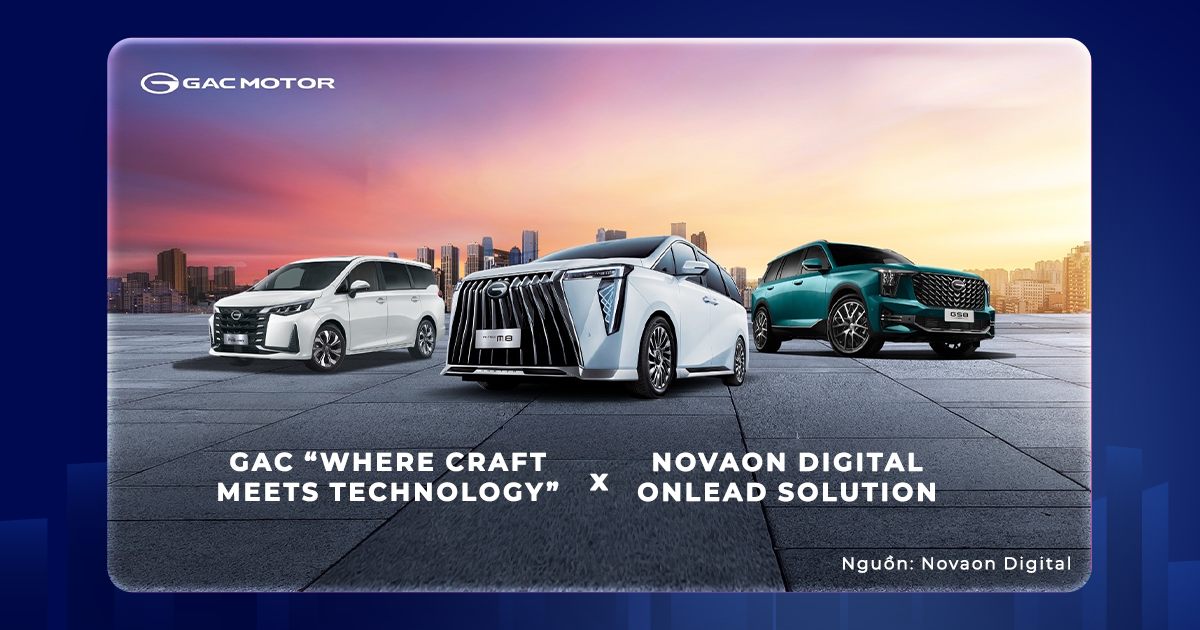
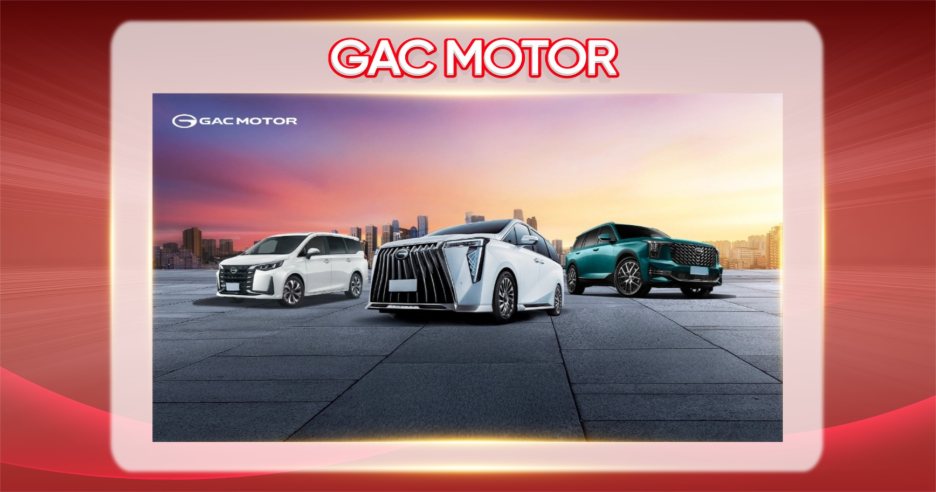
2. GAC Motor: “Where Craft Meets Technology” – Driving Growth Through Automation and Personalization
Challenge: As a new entrant in the premium gasoline segment, GAC Motor faced skepticism about product quality and origin. Vietnamese consumers are highly price-sensitive yet demand premium service — while GAC’s lead management process was still manual and fragmented, resulting in lead loss and slow response times.
Solution: GAC partnered with Novaon Digital to deploy OnLead Management, an automation platform designed to centralize and accelerate lead operations.
Leads were captured in real-time from paid, owned, and social channels, consolidated into a unified MiniCRM.
The system automatically de-duplicated, scored, and assigned leads to the right sales teams.
Two-way data synchronization with CRM and Meta Conversion API enabled budget optimization and full-funnel visibility.
Results: Within the first campaign phase, GAC generated 1,667 leads, including 800 high-quality leads — leading to 89 car sales. Lead response time dropped to under 10 minutes, establishing GAC Motor’s image as a modern, customer-centric automotive brand in Vietnam.
IV. Expert Insights from Novaon Digital
Personalized Omnichannel Marketing is not just about technology — it’s about building a cohesive ecosystem where data, creativity, and customer experience converge.
To succeed, automakers should:
Design personalized messages for every stage of the customer journey, reflecting behavioral signals and emotional triggers.
Standardize data flow between marketing, sales, and dealerships to ensure feedback loops for continuous optimization.
Integrate Martech solutions like OnLead, OnMarketer, and NOVAON Chatbot to automate, personalize, and scale engagement across touchpoints.
At Novaon Digital, we combine Strategy – Creativity – Technology to help automotive brands turn insights into measurable growth. Beyond automation and lead management, we help brands craft stories and experiences that feel designed for every driver — at the right time, with the right emotion.
V. Conclusion
Personalization is redefining the competitive standard in the automotive industry — where data, creativity, and experience merge into one continuous journey. Automotive brands must act decisively in their digital transformation to harness martech and build truly Personalized Omnichannel Experiences.
When automakers and dealerships operate within a unified data ecosystem and a shared brand experience framework, they don’t just boost sales — they earn trust, loyalty, and emotional connection from every driver across the ownership lifecycle.
As user behavior rapidly shifts toward mobile platforms, the mobile-first strategy has become an inevitable direction for the banking and finance industry. This article explores how pioneering brands are leveraging technology, creativity, and user experience to transform mobile platforms into the core of the digital journey—thereby strengthening their position in the industry’s digital transformation race.
Smartphones – From Utility to the Heart of Digital Life
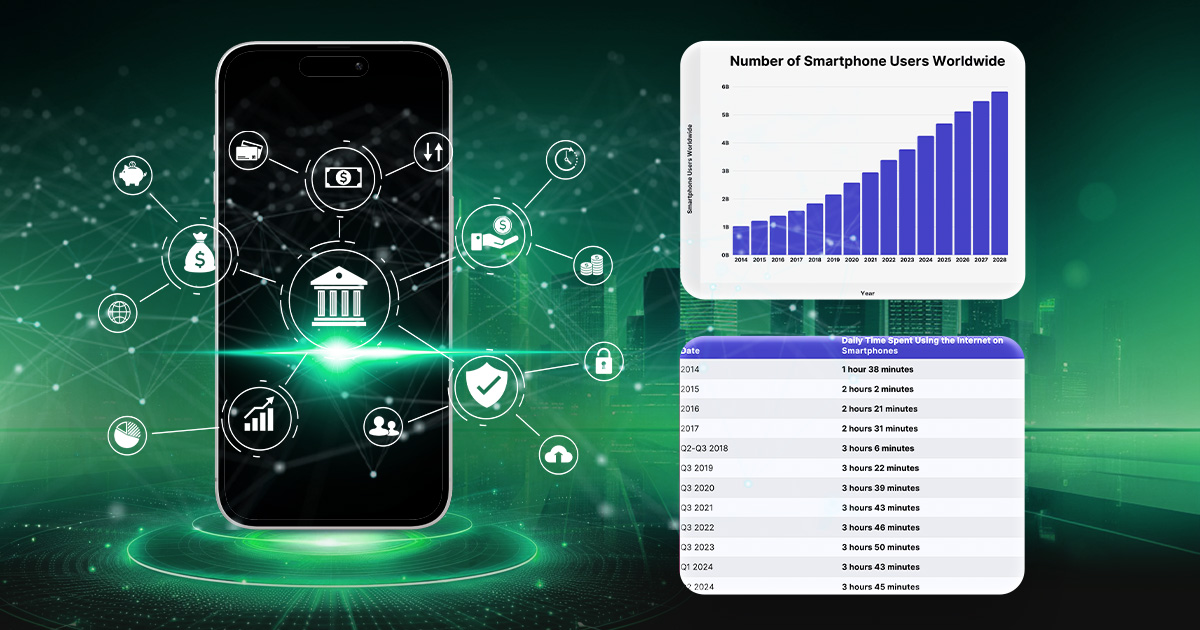
By 2025, the world will see nearly 5 billion smartphone users, a number expected to reach 6 billion by 2028(Backlinko, 2025). On average, each person spends about 3 hours and 45 minutes per day on their mobile device — a figure that continues to climb (Backlinko, 2025).
Smartphones have long surpassed their original purpose as communication tools; they have become the centerpiece of digital life — where users consume information, seek entertainment, shop, make payments, and manage their personal lives. This “all-in-one” behavior has made mobile phones the default touchpoint between brands and consumers.
In the banking and finance sector, customers now expect mobile experiences that are fast, seamless, and deeply personalized, mirroring the platforms they use daily. This demands that financial institutions optimize the mobile experience holistically — not only through technology, but also by designing for emotional connection and practical convenience at every interaction.
Current Trends in Smartphone Usage
Banking and Finance on the Path to Full Digital Transformation
The banking and finance industry is undergoing a profound transformation as it advances toward full digitalization. Customers are no longer tied to in-branch services or desktop transactions; instead, they are rapidly shifting toward mobile platforms. According to the American Bankers Association (2024), around 55% of customers now use mobile apps to manage their accounts (ABA, 2024).
This shift presents a major challenge for traditional banks, which must reinvent their technological infrastructure and organizational culture to meet new expectations. At the same time, the rise of fintechs and digital-native banks is intensifying competition in user experience and service speed.
Today’s users expect financial services to fit entirely “within an app” — offering the same level of convenience, personalization, and seamlessness they experience with any other digital utility in their daily lives.
Mobile-First Marketing Trends in the Banking and Finance Sector
As users increasingly migrate to mobile platforms, mobile-first marketing has become a cornerstone of the digital transformation journey for banks and financial institutions. The mobile app is no longer merely a transactional tool — it has evolved into the center of the digital journey, where technology, content, and interaction converge to create experiences that are more seamless, holistic, and personalized than ever before.
1. Mobile App Integration with Onfluencer – Employee Advocacy Marketing
Onfluencer – Employee Advocacy Marketing is a model that enables banks to transform their employees into an effective and sustainable brand communication channel. Through this platform, all activities — from campaign creation and management to performance measurement — are digitized and centralized within one unified system, allowing campaigns to be deployed quickly, transparently, and with real-time control of effectiveness.
Within a mobile-first marketing framework, Onfluencer is optimized to operate directly on the mobile app, where employees can register, receive tasks, post content, track results, and engage — all from their smartphones. This approach turns the mobile phone into a personalized communication tool, making brand advocacy more convenient, flexible, and aligned with the digital habits of modern users. By combining mobile app functionality with influencer dynamics, campaigns become more personalized, interactive, and organically viral, helping banks strengthen credibility, accelerate market penetration, and reinforce a modern, approachable brand image.
Case Study:
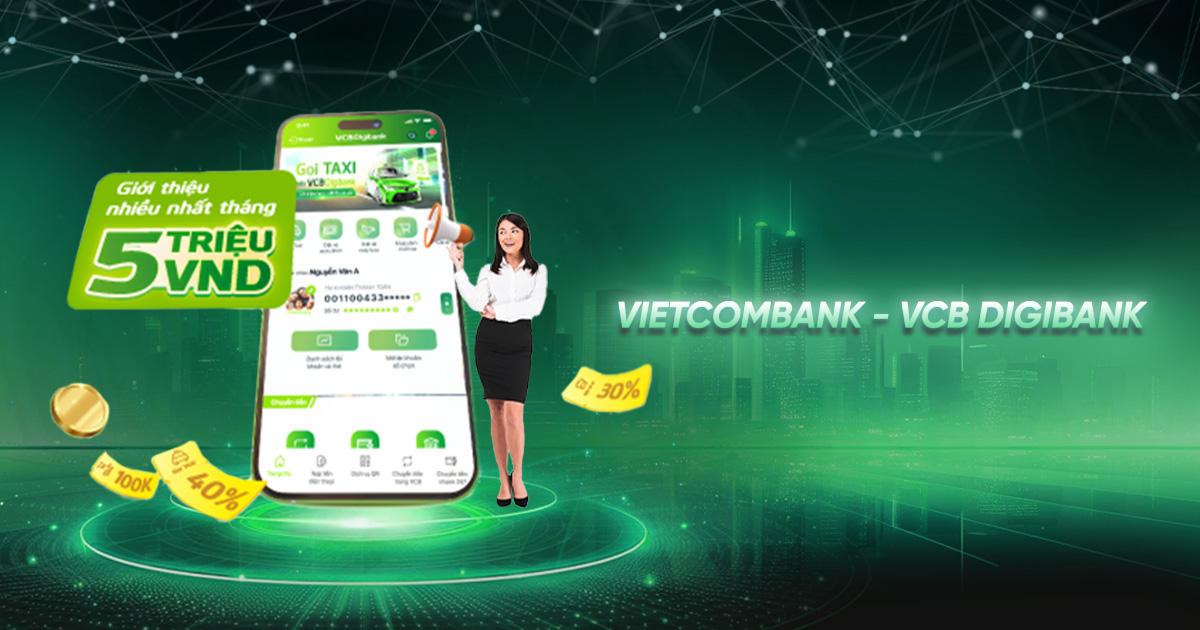
To naturally and consistently amplify its brand presence, Vietcombank adopted the Onfluencer – Employee Advocacy solution. When launching the next-generation VCB Digibank in June 2024, the bank aimed to reinforce its modern brand image and boost communication for its digital banking services.
To achieve this, Vietcombank partnered with Novaon Digital to deploy the Onfluencer platform, leveraging the collective influence of its employees as a credible internal communication force. The system digitized the entire campaign process — from participant management and content control to real-time performance measurement.
As a result, Vietcombank strengthened internal engagement, expanded brand culture organically, and built a modern, transparent, and sustainable internal communication model, establishing a new standard for employee-driven brand advocacy in the financial industry.
Employee Advocacy – Empowering VCB Digibank’s Growth from Within Vietcombank
2. Gamification on App
The game-mechanics approach is being widely adopted by banks to design more engaging and emotionally resonant financial experiences. Gamification helps spark user motivation, increase interaction, and encourage repeat app usage through features such as daily missions, spin-and-win games, leaderboards, reward points, and community challenges.
Users are incentivized to perform positive financial behaviors — paying bills, making deposits, investing regularly, inviting friends to install the app, or joining mini-games during special occasions. Each action is rewarded with points, badges, or prizes, creating a sense of achievement and encouraging users to return to the app more frequently.
Some banks have also integrated gamification with loyalty systems or e-wallets, allowing users to convert rewards into cash, vouchers, or shopping discounts. This approach transforms what was once a purely transactional financial app into a fun, social, and emotionally engaging experience, fostering natural virality as users share their results and rewards on social media.
Case Study:
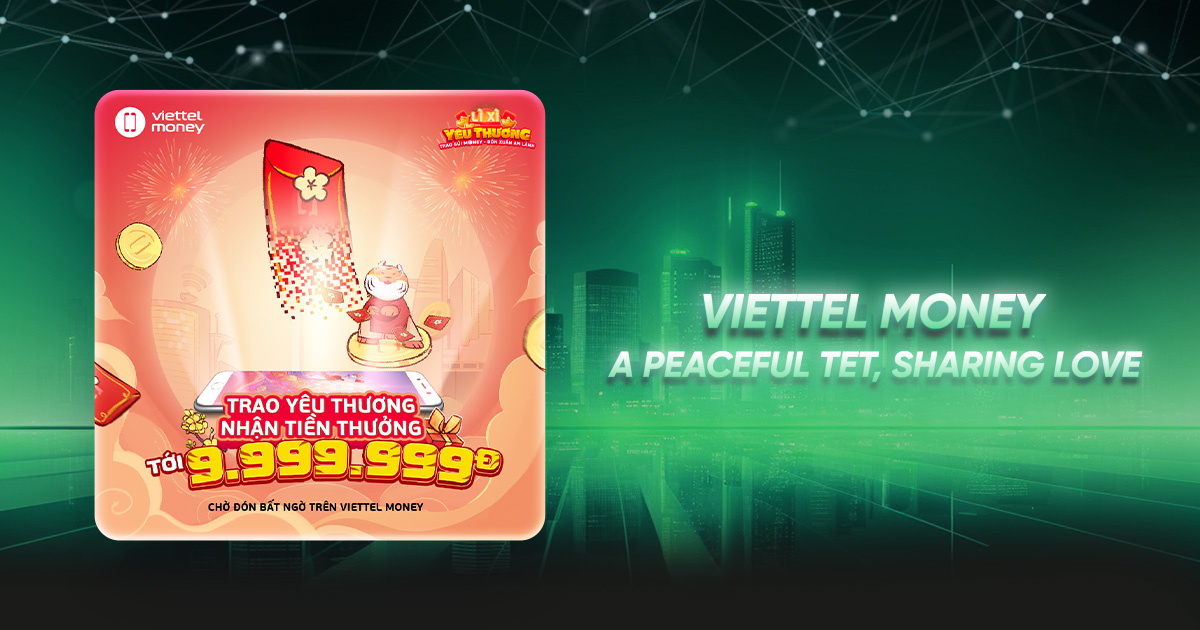
During Tết 2022, Viettel Money faced the dual challenge of launching a new digital finance brand while inspiring optimism among users in the post-pandemic “new normal.” To address this, Novaon Digital launched the campaign “Tết An Lành – Chia Sẻ Yêu Thương” (“Peaceful New Year – Sharing Love”), using Gamification on App as the core communication strategy.
Two in-app games — “Dũng Sĩ Hổ Vàng” (“Golden Tiger Warrior”) and “Lì Xì Hổ Vàng” (“Golden Tiger Lucky Money”) — were developed directly within the Viettel Money app, allowing users to immerse themselves in the festive spirit through interactive lucky-money activities, rewards, and in-app engagement.
Combined with Influencer Marketing, the campaign amplified its message through tech and lifestyle KOLs and TikTok creators, encouraging users to download the app, play the games, and share their experiences online. The result was a lively, digital-first Tết season that connected users emotionally with the brand and strengthened Viettel Money’s positioning as a modern, people-centric digital finance platform.
Viettel Money – Gamification in the ‘Peaceful Tết, Sharing Love’ Campaign
3. Mobile Payment Integration + Chatbot Personalization
Strategic alliances in mobile payments — with e-wallets, super-apps, and e-commerce platforms — are enabling banks to expand their presence across the broader digital lifestyle ecosystem of their customers. Co-branded programs, cashback offers, and seasonal promotions allow banks to appear naturally across multiple touchpoints beyond their own apps.
At the same time, chatbots are evolving into intelligent “financial assistants”, providing instant responses and personalized recommendations tailored to each user’s age, behavior, and needs. More than just a transactional tool, the chatbot has become a personalized engagement channel, turning every conversation into a subtle marketing opportunity that strengthens the relationship between the customer and the brand.
Collectively, these mobile-first initiatives are helping banks not only achieve technological transformation but also redefine the brand experience in the digital era. Mobile has become the “living center” of the brand — a space where customers transact, interact, and build emotional connections with the bank in a seamless and natural way.
Insight from Novaon Digital Experts
The mobile-first strategy is not merely about expanding transactional channels — it represents a strategic shift in focus, enabling banks to build a truly integrated digital brand ecosystem. According to Novaon Digital, the Brand Experiencemodel, combined with the S–C–T framework (Strategy – Creative – Technology), provides a powerful foundation for effective implementation:
Strategy: Position mobile at the heart of the customer journey, ensuring all touchpoints are seamlessly connected.
Creative: Transform financial interactions into brand experiences — emotional, memorable, and distinctive.
Technology: Leverage data, AI, and personalization to enhance engagement and optimize conversions.
In synergy with the Brandformance approach, this framework empowers banks to achieve dual objectives: driving short-term business results while strengthening long-term brand equity. In the mobile era, those who succeed in crafting a consistent, emotionally resonant brand experience on mobile will take the lead in the financial sector’s digital transformation race.
In the automotive industry—where purchase decisions rarely happen instantly—social media is more than just a promotional tool; it serves as a strategic touchpoint that shapes consumer trust, emotion, and behavior. So, what are the key social media trends set to lead the automotive sector in the coming years?
Key Factors Driving the Automotive Industry’s Focus on Social Media Marketing
As the automotive industry undergoes a period of rapid transformation, the role of digital communication—especially social media—has become increasingly pivotal.
In the past, customers mainly visited showrooms to explore and make purchasing decisions. Today, however, most car-buying journeys begin on a smartphone screen. Consumers research, compare, read reviews, and even choose their preferred car brands directly on social media platforms.
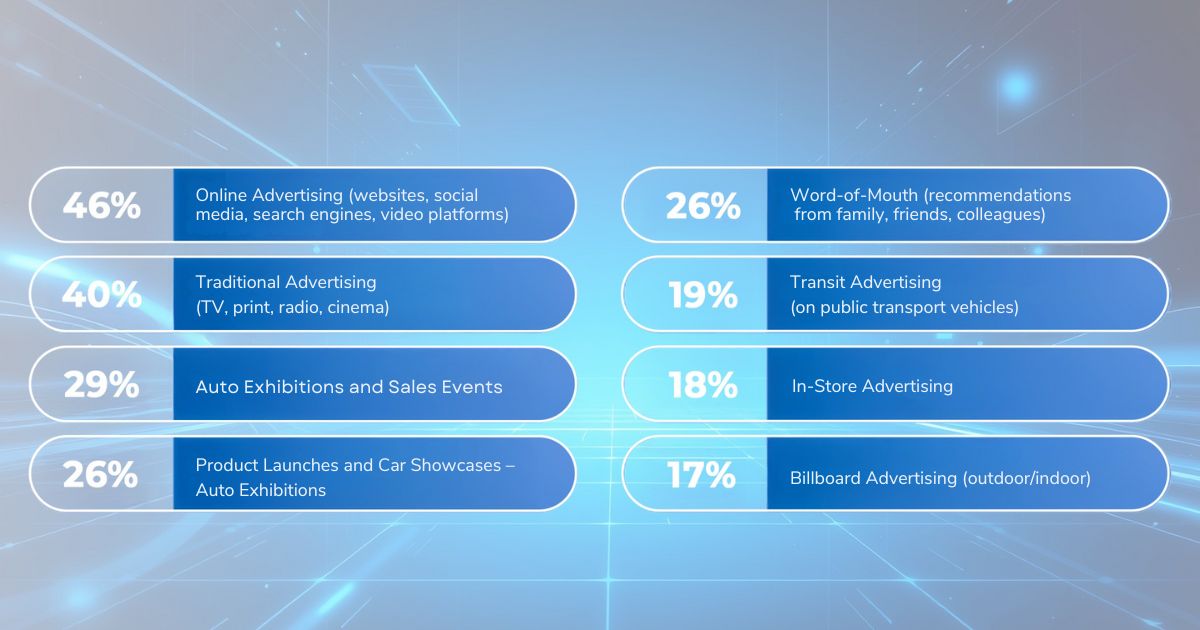
According to research by Coc Coc Vehicle, advertising on social media platforms now plays a decisive role in shaping brand choice for car buyers, accounting for 46%—a 2% increase compared to 2023. Meanwhile, traditional advertising channels such as television and print media still hold significant influence at 40%. Consumers also interact with brands through various other touchpoints including auto shows, test drive events, word-of-mouth, point-of-sale (POS) promotions at dealerships, and outdoor advertising.
Within the online communication ecosystem, automotive brands are leveraging social media, search engines, and websites. Among these, social media leads with a 41% share, with video-sharing platforms like TikTok and YouTube Shorts capturing up to 32%, making them the top choice for driving attention and emotional engagement.
Notably, search engines continue to see strong growth—from 36% to 40% in 2024—ranking second among online channels and playing a crucial role during consumers’ comparison and decision-making phases. Beyond brand promotion, social media has evolved into a powerful medium for building trust, nurturing communities of car enthusiasts, and subtly driving purchase intent through interactive content, experience-driven videos, and campaigns that amplify brand values.
So how can automotive brands leverage social media in a truly strategic and effective way? Below are the emerging communication trends that brands can adopt through a fresh, innovative approach.
Communication Touchpoints in the Consumer Car-Buying Journey
Social Media Marketing Trends in the Automotive Industry
From researching information, comparing models, to the emotional connection built through a test-drive video—everything can happen long before a customer sets foot in the showroom. So how can automotive brands create influence, inspire action, and convert engagement into real customers? Below are three key social media marketing trends brands can embrace.
1. Harnessing the Power of Video – The Ultimate Tool for Attention and Emotional Connection
Video content continues to dominate in terms of reach and viewer engagement on social media. For the automotive industry, it provides the perfect opportunity to showcase products, tell brand stories, and deliver real experiences that static visuals simply cannot achieve.
You can explore video formats such as:
Test-drive experiences
Car care and maintenance tips
Showroom behind-the-scenes
Model comparison clips
After-sales service introductions
With today’s accessible AI tools, brands can easily produce videos quickly and professionally, combining creativity with efficiency to bring authentic automotive storytelling to life.
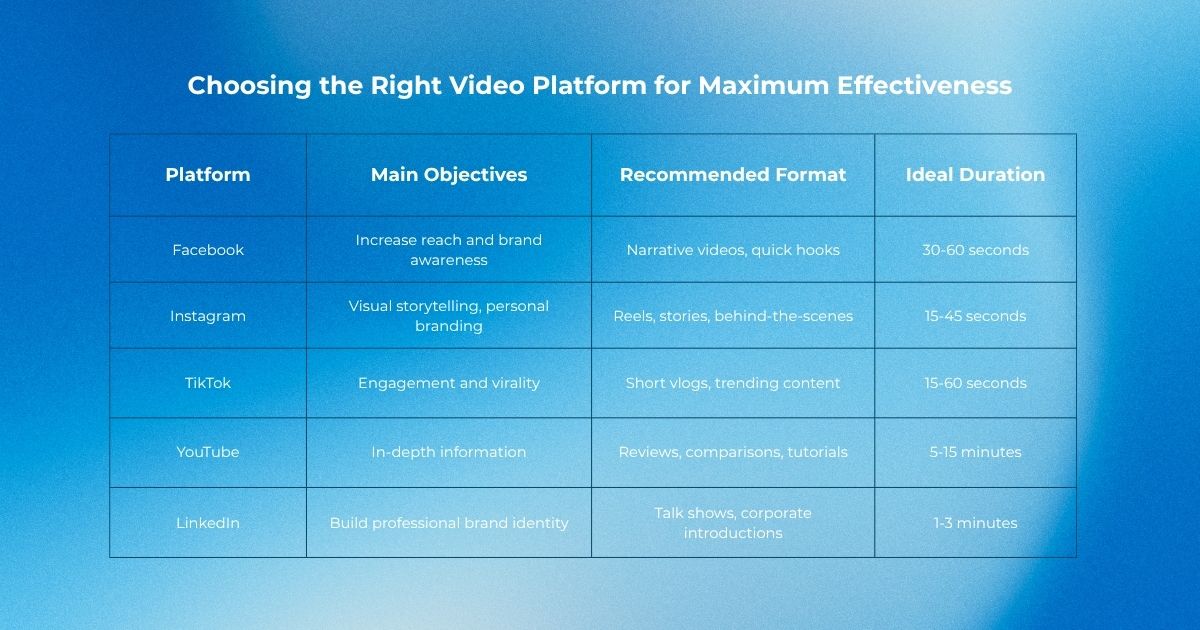
Choosing the Right Video Platform for The Marketing Strategy
2. Creating Immersive Experiences with AR/VR Videos and Gamification
Beyond traditional videos, automotive brands are increasingly embracing Augmented Reality (AR) and Virtual Reality (VR) technologies to craft vivid, personalized, and memorable customer experiences.
VR Showroom: Enables users to virtually “walk through” a digital showroom, explore both the interior and exterior of vehicles, and interact with details—without ever setting foot in a physical space.
AR Video Demo: Allows users to use their smartphones to “place” a car in their real environment—right in front of their house, in the garage, or on the street—helping them visualize how it fits into their everyday life.
In particular, Gamification Marketing is opening up a new, highly creative direction for car brands:
Virtual test-drive minigames using simulation technology
Interactive quizzes that match car models with users’ personalities
Reward systems that let users earn points and redeem real-world offers after completing challenges
These formats not only capture attention but also encourage sharing, increase engagement, and transform emotional excitement into purchase intent.
3. Driving Viral Impact through Contests and Share-to-Win Campaigns
Social media is more than a communication channel—it’s a dynamic playground where automotive brands can launch contests and share-to-win programs to spark organic reach, attract potential customers, and amplify brand visibility.
Common campaign formats include:
Interactive Mini Games: “Guess the new model – win a prize” or “Share your first test-drive experience to unlock special offers.”
Community Giveaways: Encourage users to tag friends, share posts, and comment on prompts like “What was the first car you ever drove?”
Challenges & Trend Videos: Launch TikTok or Reels challenges such as “360 Moments in Your Favorite Car” or “Drive Your Style.”
Share-to-Redeem Offers: Reward users who share posts about test-drive events or car purchases with real gifts—accessories, fuel vouchers, or car wash coupons.
Smart Implementation Tactics:
Prioritize Facebook and TikTok for their strong engagement and viral potential.
Use campaign-management and tracking tools like Onfluencer.
Create simple landing pages to convert participants into qualified leads.
Optimizing Social Media Campaigns for Lasting Brand Impact
To truly drive conversions and long-term brand value, automotive social campaigns must be built on a structured strategy that enhances the overall brand experience.
1. Align Visuals and Messaging with Brand Guidelines Each car model represents a unique brand position—dynamic, sporty, luxurious, or durable. Visuals, color palette, tone of voice, and messaging must align perfectly with brand guidelines to ensure consistency and professionalism.
2. Plan Content by Model Line and Seasonal Peaks Develop a content calendar segmented by category (SUV, sedan, EV, etc.) and key sales seasons (Lunar New Year, summer, year-end). This ensures timely campaigns that match customer demand and maintain focus.
3. Integrate Tracking and Data Analytics Leverage measurement tools such as Onfluencer, NovaonX Chatbot, or other Martech solutions to monitor post performance, ad efficiency, and user behavior after engagement. Data is the key to cost optimization and higher ROI.
4. Stay on Trend Without Losing Brand Identity Following trends boosts visibility—but with caution. Every viral piece of content should still reflect the brand’s essence, avoiding superficial or off-brand executions that dilute brand integrity.
In today’s race to build brand equity and win over customers, social media is no longer just a communication channel—it’s the starting line of the car-buying journey. To move faster and go further, automotive brands must embrace a holistic strategy that unites Strategy – Creative – Technology, delivering a seamless and memorable brand experienceacross every touchpoint.
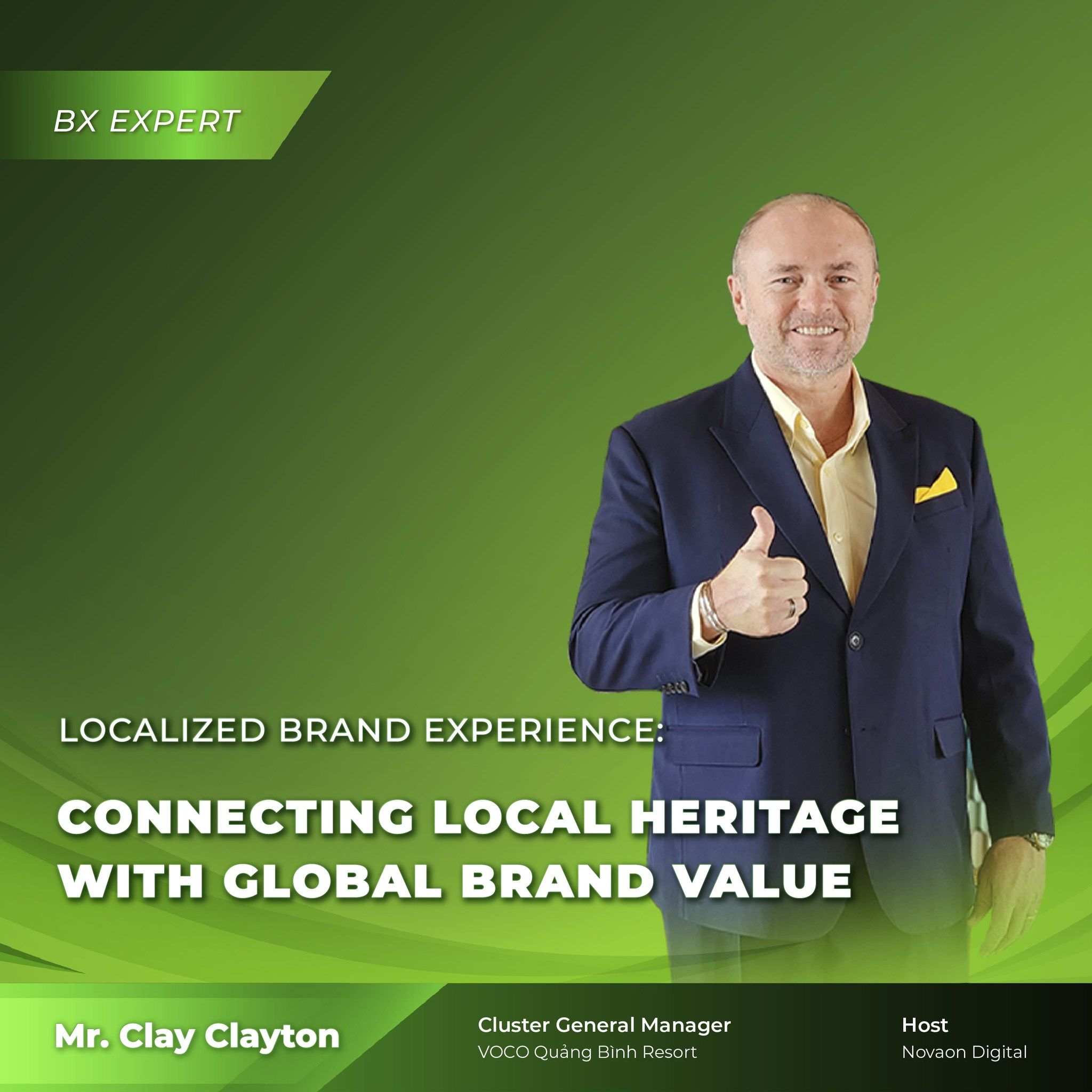
Vietnam’s tourism is rebounding strongly, but to truly win over international visitors, brands must go beyond familiar service standards. The ‘Localized Brand Experience’ emerges as the key, where local identity is woven into every touchpoint. At voco Quang Binh Resort by IHG, General Manager Mr. Clay Clayton has brought this philosophy to life, transforming the resort into a destination that is both distinctive and memorable.
New communication trends in the hospitality industry to build trust and attract international travelers
The Current State of the Hospitality Industry for International Businesses in Vietnam
In the first five months of 2025, Vietnam’s tourism sector recorded impressive growth in the international segment, welcoming more than 9.2 million foreign visitors—up 21.3% compared to the same period in 2024. In May alone, international arrivals reached 1.53 million, a year-on-year increase of 10.5% (Dang Huy, 2025). These figures highlight not only a strong and sustainable post-pandemic recovery but also the early effectiveness of government policies on market promotion, visa facilitation, and sectoral management (Source: Tourism Information Center, 2025).
Despite these encouraging signals, particularly in the post-COVID context and amid deeper global integration, Vietnam’s international tourism still faces systemic challenges. In practice, many international hotel brands expanding their presence in Vietnam struggle to reach and retain target customer groups. The root causes lie in cultural differences, consumer behavior gaps, and limitations in localizing communication strategies. These factors not only hinder the ability to effectively tap into international markets but also weaken Vietnam’s overall competitiveness in regional and global tourism.
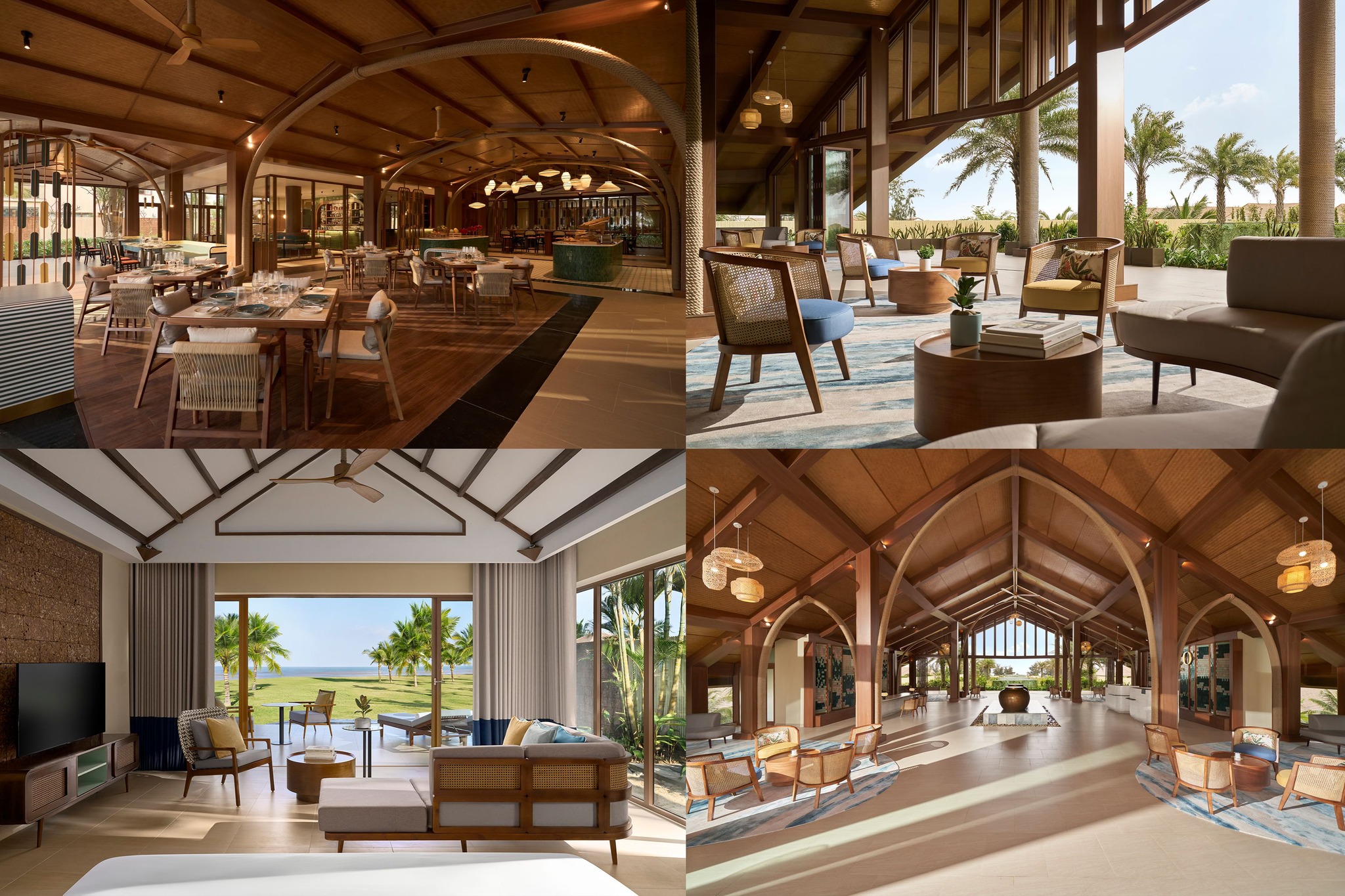
voco Quang Binh Resort by IHG – a premium IHG resort in Vietnam
The Challenge and the Emerging Trend – Localized Brand Experience
For many international businesses, the greatest challenge lies in balancing the consistency of a global brand identity with the need to integrate into local markets. Too often, global campaigns fall short of resonating with travelers when global messages are mechanically applied to the Vietnamese context. This is precisely why the Localized Brand Experience has emerged as an inevitable trend. It goes far beyond simply translating language or visuals—it is about weaving in cultural nuances, consumer habits, and the unique expectations of international visitors when they arrive in Vietnam.
The principle of Localized Brand Experience is clear: globalizing service standards—quality, operations, and convenience—is essential to safeguard brand reputation. Yet it is the localization of messaging and delivery that unlocks true differentiation. More than an add-on, this is a long-term communication strategy that enables international businesses to build trust, foster emotional connection, and genuinely win the hearts of customers in Vietnam.
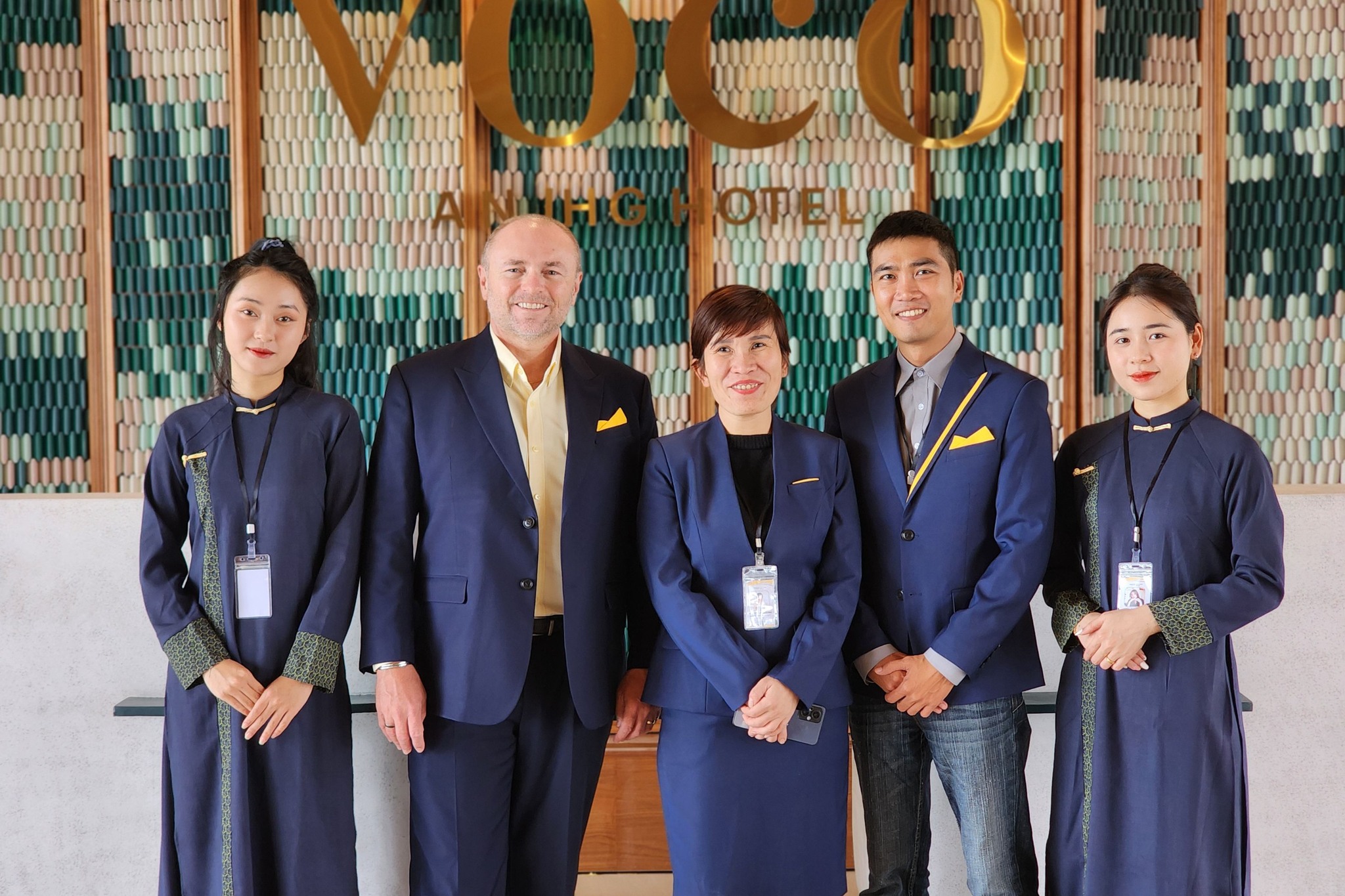
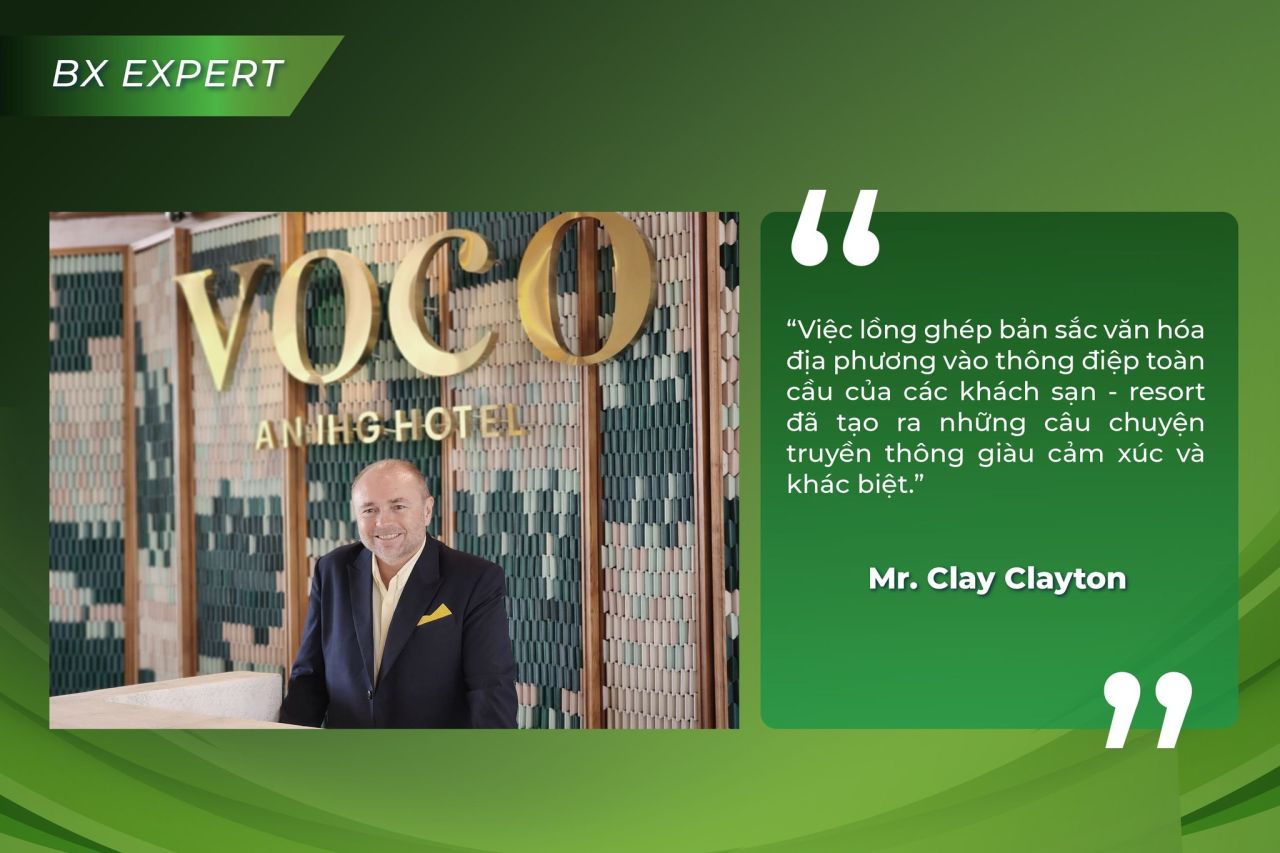
Mr. Clay Clayton, Cluster General Manager of voco Quang Binh Resort by IHG, has been quick to embrace this shift and craft a distinctive marketing strategy for the property. Rather than positioning voco Quang Binh merely as a place to stay, the resort has thoughtfully infused local cultural essence into every service experience. This seamless integration has helped the brand stand out, becoming a memorable choice for both international travelers and domestic guests alike.
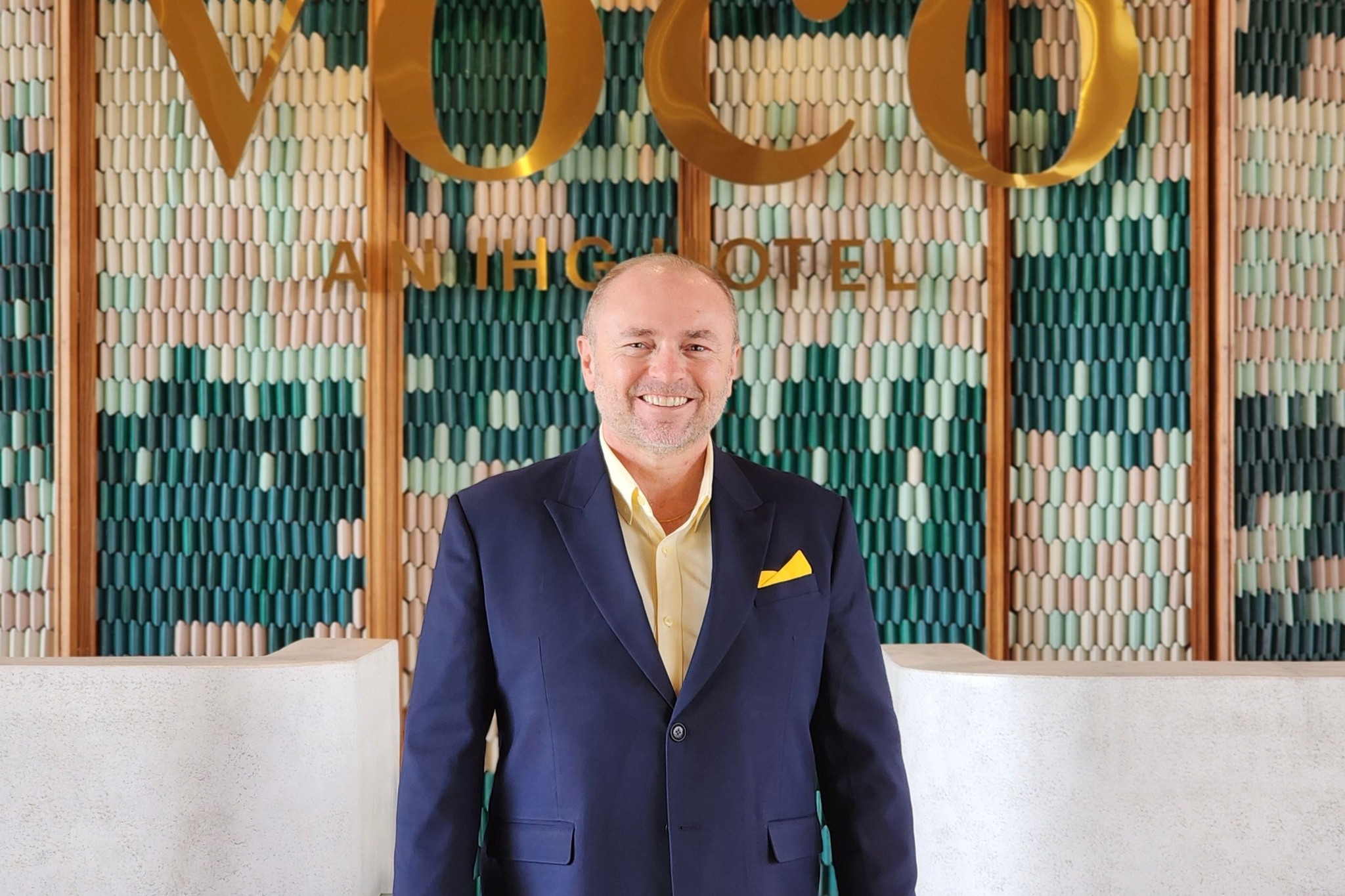
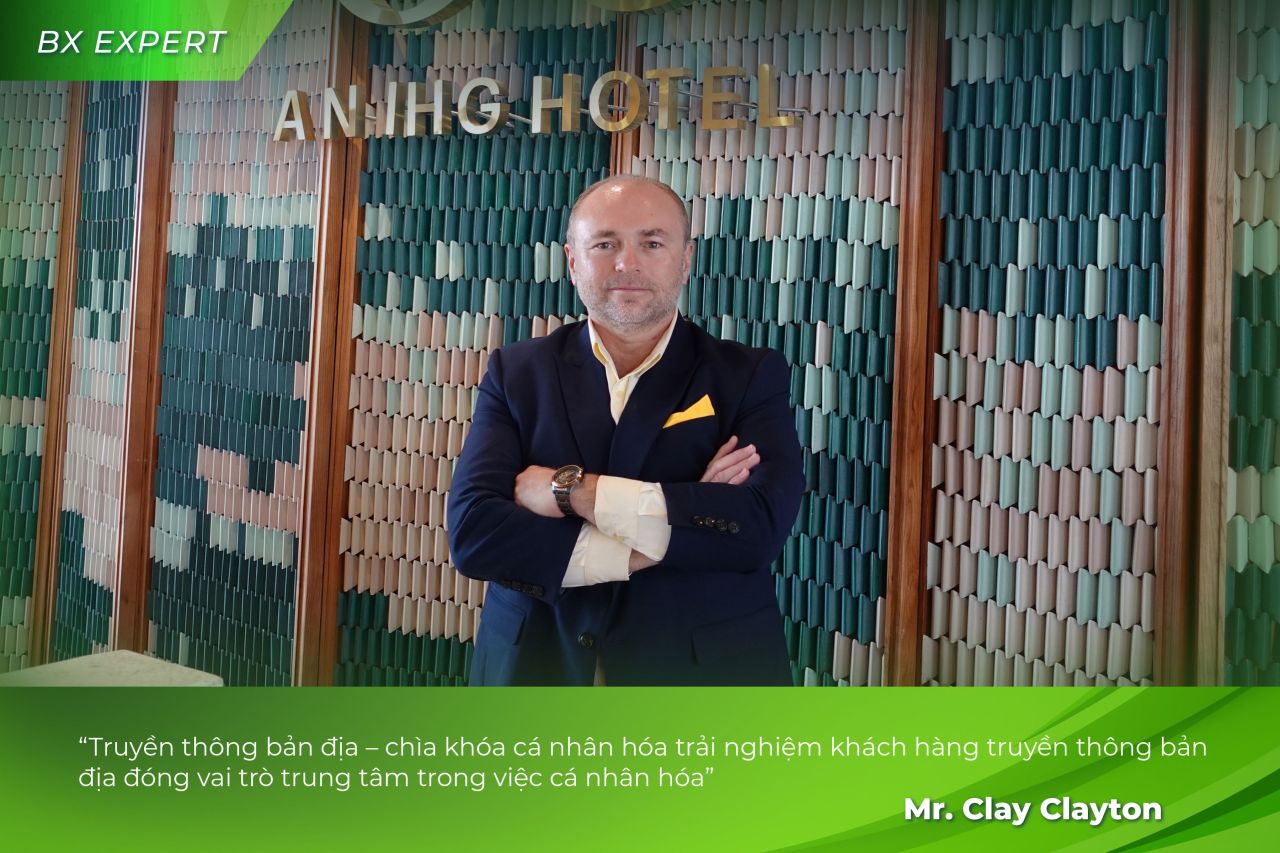
Mr. Clay Clayton – General Manager of voco Quang Binh Resort by IHG
Brand Experience (BX) Expert is a special series by Novaon Digital in collaboration with brand experts, offering practical insights and modern strategies to build stronger, more meaningful connections with customers.
Q: Mr. Clayton, with the vision that “a resort is not just a place to stay, but a destination in itself”, could you share how voco Quang Binh Resort by IHG brings this philosophy to life through brand experience and local identity?
Clay Clayton: True to that philosophy, at voco Quang Binh Resort we see ourselves as more than just a place of accommodation—we aim to be a destination that delivers a complete experience. voco is an international brand with a personality that is playful, distinctive, and attentive, and we bring that spirit into every detail of our service.
What sets voco Quang Binh Resort apart is the balance we create between international standards and the unique local touch of Quang Binh. Guests can experience the local culture through cuisine, architectural design, and activities deeply connected with nature and the community. This ensures that every stay is not only about relaxation but also a journey of discovery and connection.
Our goal is to become a true destination—where guests find comfort, joy, and unforgettable memories through diverse offerings: from dining experiences and luxury spa treatments to the outdoor pool, recreational activities, and the beautiful beach, all delivered in line with voco’s global brand spirit.
The Retreat Space at voco Quang Binh Resort
Q: How has voco Quang Binh Resort leveraged this advantage to build trust and attract international guests through IHG’s global ecosystem?
Clay Clayton: We take pride in being both the very first voco resort in the world and the first international resort in Quang Binh. This pioneering position gives us a unique foundation to differentiate ourselves and earn the trust of international travelers—guests who seek fresh experiences while still expecting global standards.
We fully maximize the power of IHG’s ecosystem, particularly through the IHG One Rewards loyalty program with tens of millions of members worldwide, along with IHG’s international sales network that spans key markets. This enables us not only to reach a diverse base of travelers but also to elevate our positioning as a rising destination and foster long-term loyalty, even after guests have left.
By combining our pioneering status with IHG’s global strength, we believe voco Quang Binh Resort will stand out as a trusted and distinctive destination on the journey of discovering Vietnam.
Mr. Clay Clayton with the resort team
Localized Brand Experience plays a pivotal role in personalizing the customer journey
It is not simply about “adding local cultural elements” into services, but about redesigning the entire brand experience. By harmonizing international operational standards with local spirit, brands are able to maintain global consistency while at the same time offering familiarity and distinction at each destination.
Local communication is the key to personalization, as international travelers coming to Vietnam are not only looking for premium accommodations but also seeking to connect with local culture and people. Through language, imagery, and storytelling embedded in local context, brands can create a sense of belonging that encourages customers to engage with services as part of their own journey of discovery. To succeed, such strategies must combine Brand Experience with Strategy, Creative, and Technology in order to deliver a complete and resonant experience.
Ultimately, Localized Brand Experience underscores the close synergy between local identity and global positioning. Local values bring uniqueness and differentiation, while global messaging ensures consistency and credibility. When the two are seamlessly woven together, brands not only gain the trust of international travelers but also affirm a long-term communication strategy: globalizing the experience while localizing the message.
Mr. Clay Clayton underscores the importance of localized communication
Q: In your view, Localized Brand Experience is playing an increasingly pivotal role in personalizing the customer journey. How has voco Quang Binh Resort managed to stay true to voco’s international spirit while authentically connecting with the local culture and community?
Clay Clayton: The voco brand is defined by its personality—Playful, Charismatic, and Thoughtful—along with its core values of “Come on in,” “Me time,” and “voco life.” These are seamlessly woven into the guest experience at our resort. Every visitor feels the warmth of “Come on in” from the very first moment, whether through a local Quang Binh delicacy served on arrival or the welcoming smile of our staff.
The essence of Quang Binh culture is reflected in every aspect of the resort experience—from savoring local cuisine creatively reimagined with international flair, to architectural design inspired by the region’s pristine nature and its spectacular cave heritage. Beyond that, we curate activities that connect guests with the land and its people, such as immersive tours with fishermen, visits to traditional craft villages, and programs that support marine conservation. In this way, each stay goes beyond relaxation to become a cultural journey, deepening bonds with the local community.
We also place special emphasis on engaging modern young travelers—those who are eager for authentic and unique experiences. For them, voco Quang Binh Resort is not just a resort but a destination where they can enjoy international service standards while discovering and connecting with local culture in their own way.
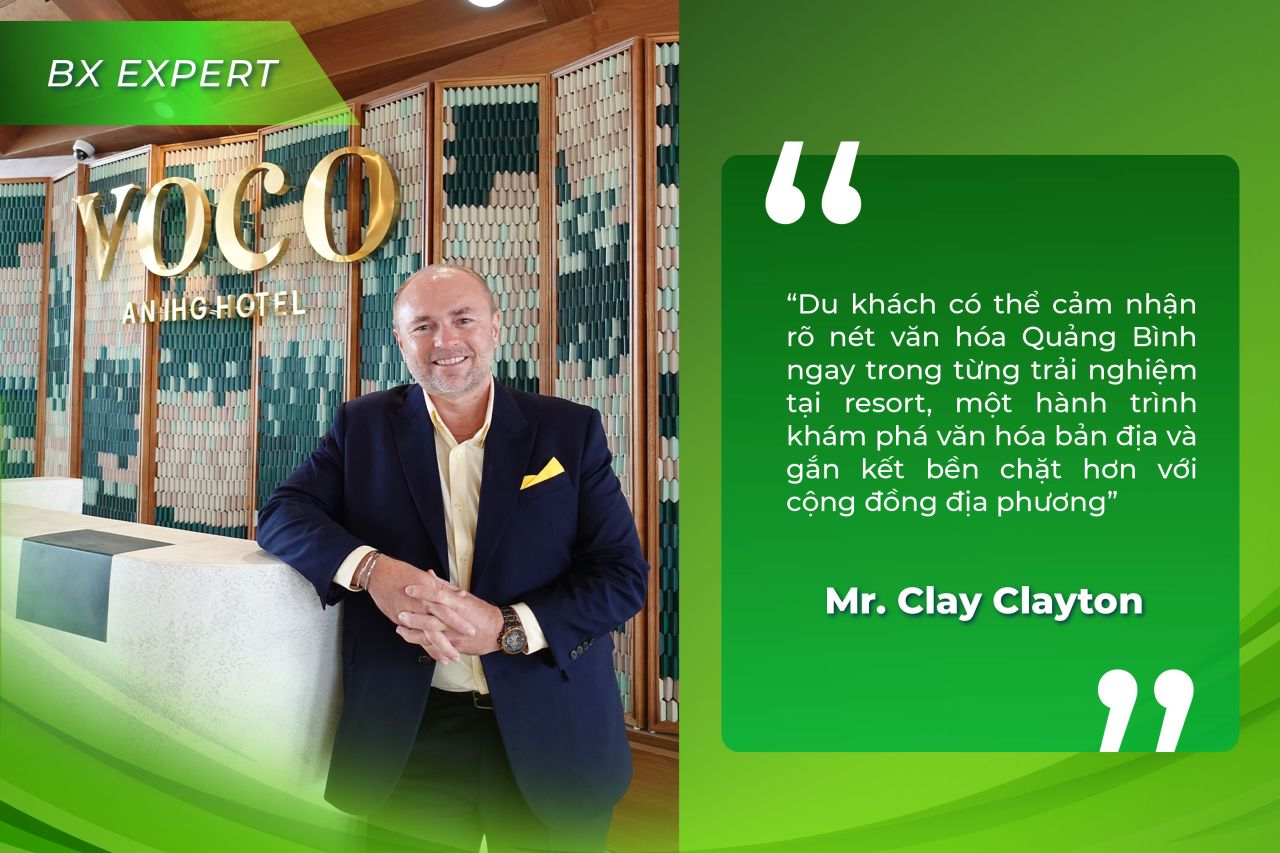
Mr. Clay Clayton shares insights on the Quang Binh cultural experience at the resort
Communication Strategies that Bridge Local Identity with Global Brand Power
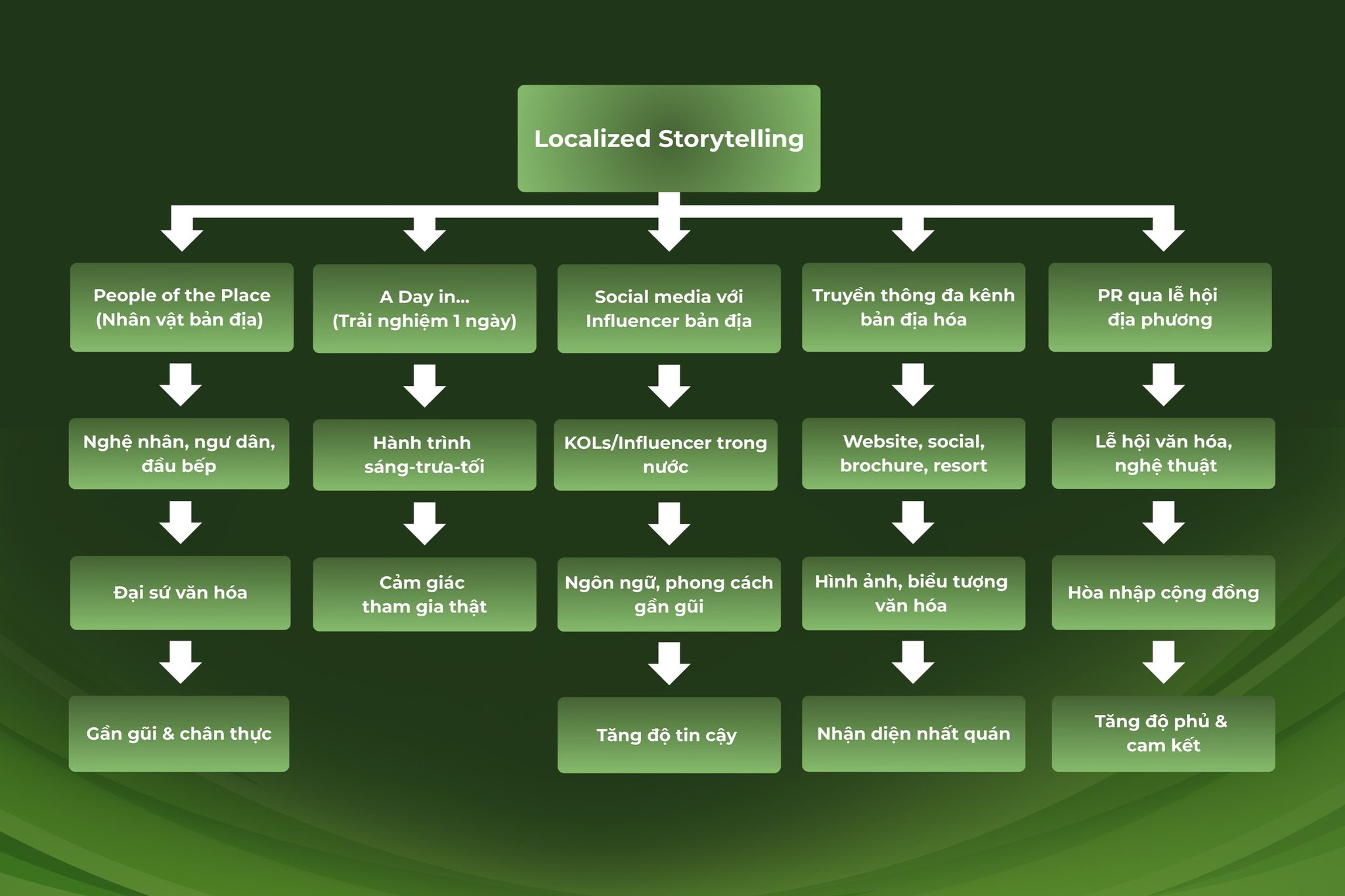
According to experts at Novaon Digital, in order to build a bridge between local identity and the strength of a global brand, hospitality businesses are adopting a range of creative communication strategies. Among the most prominent are the localization of both customer experiences and brand messaging.
a. Storytelling Campaign: “People of the Place” This approach places local people at the heart of the brand narrative. Artisans, fishermen, or local chefs are introduced as “cultural ambassadors,” bringing authenticity and relatability to the hospitality experience. In doing so, the brand does not simply “talk about the place” but speaks with the voice of its people.
b. Localized Experience Content: “A Day in…” Campaigns such as “A Day in Quang Binh” are crafted to help travelers imagine and feel a complete journey: starting the morning with local coffee, exploring caves at noon, and ending the evening with relaxation at the resort. This storytelling format gives guests the sense of truly embarking on a discovery rather than just watching an advertisement.
c. Social Media Activation with Local Influencers Instead of relying on international influencers, brands collaborate with domestic KOLs who can tell local stories in a style and language that resonate naturally with customers. This approach enhances credibility while rooting the brand more deeply in local culture and consumer trends.
d. Embedding Local Visuals, Language, and Stories across Channels From websites, social media, and brochures to resort design and décor, local imagery, cultural symbols, and language are consistently integrated across every touchpoint. This ensures brand consistency while giving international guests the impression of engaging with a brand that feels authentically local rather than a generic global product.
e. Integrating Local Festivals into PR and Communications By participating in or supporting cultural festivals, arts events, sports activities, or community initiatives, brands blend naturally into local life. Such involvement not only expands media exposure but also demonstrates a genuine commitment to the community, reinforcing long-term trust.
These strategies illustrate how brands can flexibly blend global attributes with local authenticity. However, sustainable success requires a clear distinction between localized messaging and globalized campaigns—two layers of communication that may appear similar but are fundamentally different.
Localized Messaging focuses on adapting language, visuals, and storytelling to reflect cultural nuances, psychology, and consumer behavior in a specific market. For instance, using local symbols or integrating cultural experiences creates emotional resonance.
Globalized Campaigns, by contrast, are designed for consistent application across markets, emphasizing the universal strengths of a brand—such as convenience, international standards, or sustainability—ensuring recognition and alignment on a global scale.
The essential difference lies in the emotional emphasis: localized messaging allows brands to touch the hearts of local customers, while globalized campaigns ensure consistency and reinforce the credibility of a brand worldwide.
Communication Strategies that Bridge Local Identity with Global Branding
Q: With the philosophy of placing people and local culture at the ‘heart of the brand,’ could you share how voco Quang Binh Resort has conveyed these values—from creating a happy workplace and honoring local labor, to community partnerships and green initiatives—across every touchpoint with customers?
Clay Clayton: At voco Quang Binh Resort, everything begins with people. Each of our employees takes pride and joy in being part of the voco family. With our heart rooted in Quang Binh, we place special value on local talent by providing training and skill development programs that empower them to meet international standards while also opening pathways to sustainable careers in the future.
Our commitment, however, extends far beyond the resort grounds. Guided by a philosophy of responsible tourism, we work closely with the community to design unique experiential tours that celebrate local heritage and natural landscapes. We also pursue green initiatives such as reducing plastic waste, using energy efficiently, and prioritizing partnerships with local suppliers. In the short time since opening, we have visited and donated to a local school for children with disabilities, organized blood donation drives for the provincial hospital, and raised funds and gifts for the SOS Children’s Village.
Looking ahead, our vision is for voco Quang Binh Resort to be more than just a destination for relaxation. We aspire to be a driving force that elevates premium tourism, supports the local economy, and highlights Quang Binh’s potential on the international map. Every story we tell through our communications is rooted in real people and real actions, ensuring that the brand not only inspires but also spreads sustainable values to travelers around the world.
The Impact and Value of Localized Communication in Reinforcing Global Brand Equity
By weaving local cultural identity into global brand messaging, hotels and resorts have been able to craft brand stories that are both emotional and distinctive. Campaigns highlighting local people, cuisine, and nature not only amplify brand messages but also allow international guests to truly feel the uniqueness of each destination. This ensures that the brand stands out rather than blending in among the many international resorts in Vietnam.
Localized communication strategies have received highly positive feedback. Domestic guests appreciate the respect and celebration of local culture, while international travelers find their stays more authentic and memorable—going beyond what they typically expect from an international resort. On social media, the involvement of KOLs and customers has generated strong ripple effects, boosting positive conversations and increasing brand awareness.
The successful combination of global messaging and localized experiences also strengthens the positioning of hotels as brands that embody both international standards and local authenticity. In the long run, this strategy not only enhances brand visibility in global markets but also nurtures customer loyalty—encouraging guests to return to continue discovering more of the local value. This becomes a sustainable foundation for hotels to expand and grow in Vietnam as well as across the region.
According to Mr. Clay Clayton, local identity is what creates true differentiation
Q: After implementation, how would you evaluate the effectiveness of the localized communication strategy?
Clay Clayton: After putting the localized communication strategy into practice, the differences became clear on multiple fronts. Our brand stories began to resonate more deeply with international travelers, creating emotional connections that linger long after their stay. At the same time, domestic guests expressed genuine appreciation for the way we honor and celebrate local cultural values. The localized campaigns, carried out in partnership with Novaon Digital, not only strengthened brand awareness and generated strong traction across social media but also positioned the resort as a true destination—one rich in identity, culture, and unforgettable moments.
Q: In your opinion, what is the greatest value for businesses that successfully deliver a Localized Brand Experience?
Clay Clayton: I believe the greatest value lies in building trust and loyalty with customers. When international guests feel that their experiences are personalized, authentically connected to local culture, and still meet global standards, they are inspired to return again and again, forging a lasting bond with the brand.
This goes far beyond the short-term benefits of a single marketing campaign—it becomes the foundation for sustainable growth. With the support of Novaon Digital, we have shown that the Localized Brand Experience is not just a communication concept but a long-term strategy that reinforces voco’s global promise right here in the local market. We are confident that voco Quang Binh Resort by IHG has become a leading choice for workplace culture in the hospitality sector—where local employees can learn, grow, and thrive in their careers.
In an industry where tourism, hospitality, and real estate are becoming increasingly competitive, building a holistic Brand Experience can no longer be limited to services or products. It requires the integration of Strategy, Creative, and Technology. Novaon Digital, with its expertise in consulting and delivering integrated communication solutions, has been a trusted partner in helping brands create differentiated experiences that bridge global values with local identity. The Localized Brand Experience not only enables brands to touch the hearts of customers but also paves the way for sustainable growth, affirming their position in the international market starting from right here in Vietnam.
I. The Automotive Market Landscape at the Turning Point of Digital Communication
In the first half of 2025, Vietnam’s automobile market reached approximately 254,293 units sold, marking a 42% increase compared to the same period in 2024 (VnExpress, 2025). Yet this momentum quickly lost steam entering the third quarter: in August alone, sales of VAMA members dropped by 18% from the previous month, while the overall market — including VinFast and Hyundai — also declined by around 13% (Báo Tin Tức, 2025). Although full-year forecasts suggest sales could reach 500,000 vehicles, with optimistic scenarios projecting as high as 800,000–900,000 (Vietnam Briefing, 2025), underlying uncertainties are reshaping how customers approach car ownership.
Today, many consumers are delaying purchase decisions, particularly in major cities such as Hanoi where low-emission zones are about to be introduced. Concerns about investing in internal combustion engine vehicles under stricter environmental regulations, combined with consumer loan interest rates that remain relatively high, are making buyers more cautious when considering such a significant financial commitment.
As a result, the customer journey has become more complex and fragmented than ever. Shoppers now actively research across multiple channels, compare information online and offline, and expect seamless, personalized experiences. This shift demands that automotive brands build integrated marketing strategies, leverage digital technologies, and optimize every touchpoint along the journey.
In such a fiercely competitive landscape, digital communication and omnichannel strategies are no longer optional — they are decisive factors that enable brands not only to strengthen awareness but also to deliver superior customer experiences, drive conversions, and build long-term loyalty.
II. Omnichannel Marketing in the Automotive Industry: A Comprehensive Strategy to Build Brand Experience
1. The Evolution of Omnichannel Marketing Strategy
Traditional omnichannel strategies focused on synchronizing basic channels such as websites, email, and showrooms. However, the customer experience was often fragmented and lacked personalization. Customers received information at individual touchpoints without a cohesive journey.
Modern omnichannel, on the other hand, integrates new technologies to optimize the customer journey from online to offline. Consumers enjoy a seamless, personalized experience with consistent information across all channels—from product research and test drive bookings to after-sales services. This key difference is what drives superior marketing performance in the automotive industry today.
2. Implementing Omnichannel with Brand Experience and the Strategy – Creative – Technology Model
Omnichannel today is not just about being present on multiple platforms, but about creating a cohesive brand experience throughout the customer journey. Brand Experience ensures that customers perceive the brand’s value and message consistently across all touchpoints—from online product research and showroom visits to offline events and digital interactions. This consistency helps build brand recall, emotional engagement, and long-term trust.
Alongside Brand Experience, the Strategy – Creative – Technology model is applied to optimize the entire customer journey. Strategies are developed based on data and behavioral analysis to select the right channels and design personalized experiences. Content and messaging are creatively developed to align with Brand Experience, ensuring consistency at every touchpoint. Technology is used to connect channels, manage customer data, and measure campaign performance—enabling continuous experience optimization.
When Brand Experience and the Strategy – Creative – Technology model are implemented simultaneously, Omnichannel becomes a holistic, seamless, and emotionally resonant experience. Customers not only receive information but also develop a strong connection with the brand, creating a sustainable competitive advantage and improving both conversion rates and customer retention.
3. Multi-Channel Omnichannel Deployment: Creative Integration of Online and Offline
As competition intensifies in the automotive industry, customers are not only interested in products but also expect a seamless experience throughout their car-buying journey. Multi-channel omnichannel implementation enables brands to reach customers at various touchpoints by combining digital platforms with physical experiences. Through the creative integration of online and offline activities, customers can move smoothly from information discovery and test drive bookings to product interaction and after-sales support—while also enhancing brand awareness and recall. Below are some typical activities categorized by type:
Online activities:
Website and Landing Page: Provide detailed information about car models, promotional campaigns, allow online test drive bookings, and offer personalized consultation support.
Social Media & Livestreams: Engage directly with customers through posts, vehicle introduction videos, livestreamed car launches, and live Q&A sessions.
Employee Advocacy: Encourage staff to share experiences, product information, and events on personal social media to increase credibility and trust with customers.
Offline activities:
Showroom and Real-life Test Drives: Allow customers to test drive vehicles, experience the product firsthand, and interact directly with consultants.
Offline Events / Roadshows: Organize new car launch events and test drive experiences at central locations to boost emotional connection with customers.
Outdoor Advertising (OOH / FOOH): Billboards and LED screens in city centers, airports, and bus stations enhance brand visibility and reinforce product awareness.
This multi-channel deployment is also optimized through the Strategy – Creative – Technology model and aligned with Brand Experience. Each touchpoint, whether online or offline, is designed to deliver a seamless and consistent experience, enabling customers to perceive brand value throughout every stage of their buying journey. As a result, Omnichannel not only enhances customer experience but also creates a sustainable competitive edge for automotive brands.
III. Challenges and Solutions in Implementing Omnichannel in the Automotive Industry
One of the major challenges in implementing Omnichannel in the automotive industry is the lack of data synchronization between departments. Marketing, sales, and showrooms often do not share data effectively, leading to an inconsistent customer experience. Customers may receive different information depending on the channel they engage with—whether it’s the website, social media, or direct experience at the showroom—which reduces conversion efficiency and weakens customer loyalty.
In addition, many businesses face difficulties due to limited technological capabilities and implementation resources. Operating tools such as CRM systems, customer data analytics, and multi-channel campaign management requires a high level of expertise. Without a professional team or the right implementation partner, it becomes difficult for brands to optimize the customer experience and sustain the effectiveness of the Omnichannel strategy.
Another challenge lies in investment costs and the need to change existing workflows. Implementing Omnichannel not only requires investment in technology but also staff training and operational process transformation. These factors can become barriers for brands that are not fully prepared for comprehensive transformation, thereby slowing down deployment progress.
Finally, measuring and optimizing strategic effectiveness is also a critical issue. When operating across multiple channels, businesses often struggle to continuously monitor, evaluate, and improve performance. Without a structured measurement system, strategic adjustments may lack accuracy—negatively impacting the customer experience and business results.
Conclusion: To overcome these challenges, automotive brands need to partner with agencies that have proven experience and strong capabilities in both technology and strategy. Novaon Digital provides a comprehensive solution—from data management and technology deployment to multi-channel optimization—helping brands enhance customer experience, increase conversion rates, and build a seamless customer journey.
IV. Featured Case Study: When Omnichannel Drives Breakthroughs for Automotive Brands
1. Omoda & Jaecoo Brand Context: Omoda & Jaecoo are two newly launched car brands in Vietnam under the Chery Group, targeting mass-market customers with practical and modern vehicle lines. Despite having advantages in design, technology, and after-sales services, these brands still need to build a strong brand image and gain consumer trust. Additionally, they must overcome psychological barriers related to brand origin, market competition, and conservative consumer habits.
Novaon Digital’s Solution: Novaon Digital implemented a comprehensive Omnichannel strategy, integrating both digital and offline solutions to optimize customer experience. Activities included multi-platform livestreams, performance marketing on social channels like TikTok, Facebook, and Zalo, along with interactive campaigns both online and offline. In parallel, customer data systems were managed and distributed to the sales team to enhance interaction and customer care.
Results: The strategy helped Omoda & Jaecoo increase brand awareness, establish a seamless connection between customers and the brand, and improve both engagement and conversion rates—while ensuring customer data privacy. The overall goal was to optimize the end-to-end experience and lay a trustworthy foundation for the brand in the Vietnamese market.
GAC Motor
2. GAC Motor
Brand Context: GAC Motor is a Chinese automotive brand currently in the phase of entering and expanding in the Vietnamese market. The brand offers high-end vehicles, including billion-VND models, targeting customers with high expectations for product quality, after-sales service, and brand reliability. Amid intense competition and a consumer base that is both price-sensitive and demanding in terms of experience, GAC Motor needs to establish a trustworthy brand image and create clear market differentiation.
Novaon Digital’s Solution: Novaon Digital has accompanied GAC from the very beginning, providing strategic consulting and deploying a comprehensive Omnichannel solution. Activities included customer data management through the OnLead platform, multi-channel advertising, optimization of social media and digital ad interactions, and consistent customer care throughout the buying journey. The strategy integrates Brand Experience with the Strategy – Creative – Technology model to ensure a unified, personalized, and performance-optimized experience from online to offline.
Results: The strategy enabled GAC Motor to build a trustworthy brand image, enhance awareness and customer confidence, and optimize the vehicle purchase journey. Engagement and conversion metrics demonstrated positive outcomes, while detailed information on sales and customer data remains confidential.
Omoda & Jaecoo
V. Expert Insights from Novaon Digital
Omnichannel is no longer just a trend — it has become an essential requirement in the automotive industry in Vietnam. In a competitive market where customer behavior is rapidly evolving, brands need more than just multi-channel presence; they must deliver seamless, personalized, and emotionally engaging experiences.
According to experts at Novaon Digital, effective Omnichannel implementation requires the simultaneous integration of Brand Experience and the Strategy – Creative – Technology model. This approach enables the optimization of customer experience across the entire journey — from strategic planning and content creation to technology operations at every touchpoint — ensuring consistent brand messaging and improved conversion performance.
Novaon Digital is a pioneer in implementing Omnichannel solutions for the automotive sector in Vietnam, with practical experience from projects such as Omoda & Jaecoo and GAC Motor. With a comprehensive technology ecosystem, a team of strategic consultants, and deep implementation capabilities, Novaon empowers brands to build seamless customer journeys, enhance brand awareness and trust, and drive sustainable growth in the digital age.
In an increasingly competitive automotive market, a brand can only truly break through when the customer journey is seamlessly connected—from the first digital touchpoint to the in-showroom experience. Recognizing this trend, Novaon Digital officially introduces the “Brand Experience Automotive” report, offering a comprehensive overview of the market, an in-depth analysis of consumer behavior, and strategic recommendations to help businesses build a unified and consistent journey for their customers.
1. The Automotive Landscape: Slow Growth, Fierce Competition, Fragmented Experiences The global automotive industry enters 2025 amid significant turbulence. Growth is projected at only 1.6%, reflecting pressures from rising raw material costs, market saturation, and broader macroeconomic uncertainties. In Vietnam, the rapid rise of Chinese car brands—leveraging competitive pricing and strong localization strategies—has intensified competition, forcing traditional manufacturers to constantly innovate in order to retain market share. At the same time, Hanoi’s policy to prioritize electric vehicles from 2026 is accelerating the green transition, adding further pressure on brands that are slow to adapt.
Consumer behavior is also shifting rapidly. Skepticism about electric vehicles persists—from concerns over battery life and charging infrastructure to operating costs—while after-sales services continue to fall short of expectations, weakening brand loyalty. Statistics reveal that the proportion of consumers willing to switch brands has surged from 35% in 2024 to 76% in 2025. This underscores the reality that the current automotive customer journey still contains major gaps and lacks the cohesion needed to build lasting brand attachment.
Automotive Market Overview
2. A Strategic Guide for Emerging Trends: Integrating Digital and Showroom into a Unified Journey Against a backdrop of mounting challenges, a key question emerges: how can automotive brands foster long-term customer loyalty rather than relying solely on short-term transactions? Responding to this need, Novaon Digital has developed the “Brand Experience Automotive 2025–2026” report, offering a new approach to redefining the customer journey through a seamless integration of digital and showroom experiences.
The “Brand Experience Automotive 2025–2026” report is a comprehensive resource dedicated to addressing the customer experience challenges in the automotive industry. It goes beyond presenting market data or listing trends, instead highlighting critical shifts: from the fierce competition posed by Chinese manufacturers and the surge of electric vehicles supported by green mobility policies, to the evolving consumer mindset marked by diminishing brand loyalty. These insights reveal that the greatest challenge lies not merely in product or pricing, but in crafting a truly cohesive customer journey.
The report also underscores the contrast between two approaches. In the traditional model, digital and showroom channels operate in isolation: online platforms serve mainly promotional purposes, while showrooms focus primarily on closing sales. This fragmented structure emphasizes short-term results and struggles to deliver long-term brand value. In contrast, the new model proposed in the report—Brand Experience—integrates Strategy, Creative, and Technology.
In this framework, digital becomes the catalyst for awareness, the showroom validates and deepens the experience, and technology serves as the connector that integrates data and sustains post-purchase relationships. This foundation enables brands to achieve immediate business results while building stronger, enduring bonds with customers. To explore the full contrast between traditional practices and the Brand Experience model powered by Strategy, Creative, and Technology, we invite you to read and register for the “Brand Experience Automotive 2025–2026” report.
Applying Brand Experience in Automotive
3. Conclusion The “Brand Experience Automotive 2025–2026” report is more than a research study; it serves as a strategic compass for automotive brands in a new era of competition. By unifying the customer journey from online to showroom through the triad of Strategy – Creative – Technology, the report offers a pathway for businesses to achieve immediate commercial outcomes while reinforcing long-term brand equity.
Developed by Novaon Digital’s experts, the report delivers a comprehensive overview of the automotive market, analyzes consumer behavior, and highlights the gap between a fragmented traditional approach and a seamless Brand Experience model. Building on this foundation, the report emphasizes a new framework driven by Strategy – Creative – Technology, enabling brands to synchronize the entire customer journey and transform disconnected interactions into a unified experience from digital to showroom. This report is designed to help automotive businesses not only survive but also break through in the 2025–2026 period.
Sign up now to explore the complete “Brand Experience Automotive 2025–2026” report here.
Novaon Digital harnesses the power of Strategy, Technology, and Creativity to drive brand growth. Drawing inspiration from crafting transformative experiences, we aim to enhance customer understanding and appreciation of your brand.